Tag: India

  • New UPI MDR Rule: 0.4% Merchant Fee for Payments Above ₹2,000 Starts Oct. 15

    The National Payments Corporation of India (NPCI) is introducing a new Merchant Discount Rate (MDR) structure for select UPI payments starting October 15, 2026. Under the updated rule, merchant transactions above ₹2,000 will attract a 0.4% MDR, with the charge capped at ₹300 for payments of ₹75,000 or more.

    What Is MDR?

    MDR is the fee charged for processing a digital payment. In this case, the charge is paid by the merchant, not the customer. The new rate applies to Person-to-Merchant (P2M) UPI payments — transactions where customers pay businesses for goods or services.

    Where the 0.4% MDR Applies

    Payments above ₹2,000 made via UPI to merchants will carry a 0.4% MDR. However, certain essential payments have been given a flat fee instead:

    • Railway ticket bookings above ₹2,000
    • Fuel payments above ₹2,000
    • Insurance premium payments above ₹2,000
    • Utility bill payments above ₹2,000

    For these categories, the MDR will be a flat ₹5, rather than a percentage of the transaction value. This keeps costs predictable for high-value payments in these sectors.

    What Remains Free

    Not all UPI transactions will be affected by the new rule. The following remain free of MDR:

    • UPI payments of up to ₹2,000 to any merchant
    • Person-to-Person (P2P) transfers to friends and family
    • UPI AutoPay and mandates
    • Small merchants receiving up to ₹1 lakh per month through UPI QR payments

    Protection for Consumers

    The finance ministry has said that banks have been advised to ensure merchants do not pass MDR charges on to customers. It also stated that UPI application providers are expressly prohibited from imposing platform fees or hidden charges.

    The new MDR structure is part of UPI’s move toward a revised charging model that balances business use cases with keeping everyday person-to-person transfers free.

  • RBI Backs 0.4% UPI Fee on Transactions Over ₹2,000 Starting October 15

    RBI Backs 0.4% UPI Fee on Transactions Over ₹2,000 Starting October 15

    New UPI Charge Approved for High-Value Merchant Payments

    The Reserve Bank of India has endorsed a new fee structure for select high-value UPI transactions, aiming to sustain the long-term growth of the country’s digital payments ecosystem. Starting October 15, a 0.4% Merchant Discount Rate (MDR) will apply to person-to-merchant UPI payments exceeding ₹2,000.

    Key Details of the New Fee

    • Rate: 0.4% MDR on merchant UPI payments above ₹2,000.
    • Cap: For payments of ₹75,000 or more, the charge is limited to ₹300.
    • Special sectors: Railways, telecom, insurance, fuel, and farm input payments above ₹2,000 incur a flat charge of ₹5. Mutual funds, securities, and stockbroking payments face a reduced rate of 0.02%, also capped at ₹300.
    • Exemptions: Person-to-person transfers remain free at any amount. Small merchant payments already under the zero-fee rule stay free, along with all merchant payments up to ₹2,000.

    Why the RBI Is Backing This Move

    The central bank believes the fee will provide UPI with the necessary funds to continue investing in technology and infrastructure. Officials said this support will help the payment system expand further and introduce new features over time. The change follows updates to the Payment and Settlement Systems Act, 2007, which created a legal pathway for adding such fees to UPI and other digital payment modes.

    The National Payments Corporation of India (NPCI) has set October 15 as the deadline for banks, fintech firms, and payment platforms to update their systems and comply with the new structure. The government expects about 96% of merchant transactions to remain unaffected by this change.

    Implications for Users and the Ecosystem

    For years, UPI operated on a zero-fee model for merchants. This shift marks a significant change in that approach, even as everyday users continue to enjoy free transactions. The new fee structure aims to strike a balance: keeping UPI free for common people while giving the ecosystem a sustainable way to fund its own growth and innovation.

  • Amazon Launches Alexa+ in India with Hindi and Hinglish Support: What It Means for Users

    Amazon Launches Alexa+ in India with Hindi and Hinglish Support: What It Means for Users

    Amazon has officially launched Alexa+ in India, offering free Early Access to a limited number of users. The new AI-powered assistant is available on eligible Echo speakers, smart displays, Fire TV devices, and the Alexa app, with browser access planned. Alexa+ understands English, Hindi, and Hinglish, and Amazon intends to add more Indian languages over time.

    Prime members will continue to receive Alexa+ at no extra charge after the Early Access period ends. For other users, a paid plan costing Rs. 2,000 per month will be required. Teena Sidana, Country Manager for Alexa at Amazon India, stated, “Indian households are multi-generational, multilingual, and beautifully complex. Alexa+ was designed for that complexity.” She added, “India is home to one of the most diverse set of customers in world, and we’re excited for them to experience how much smarter, personalized, and more intuitive Alexa+ has become.”

    Key Features of Alexa+ in India

    Alexa+ is built for natural, flowing conversations. Users no longer need to say “Alexa” before every command. The assistant seamlessly switches between English and Hindi within the same interaction. It also recognizes common Indian phrases and terms like “dhai baje” and “ek paav”.

    Core capabilities include:

    • Smart home device control (compatible with Atomberg, Qubo, Dreame, Wipro, and more)
    • Shopping lists and Amazon order tracking
    • Product comparisons
    • Integration with Spotify, Apple Music, JioSaavn, Prime Video, and Netflix
    • Upcoming integrations with Swiggy, EazyDiner, and MakeMyTrip

    Language Support: A Game-Changer for Indian Users

    Language is a major differentiator for Alexa+ in India. The assistant understands mixed Hindi and English (Hinglish) and is designed to handle the multilingual, multi-generational nature of Indian households. Amazon plans to expand support to additional Indian languages in future updates.

    Pricing and Availability

    During Early Access, a limited number of users can try Alexa+ for free on eligible devices. Prime members will retain free access after the trial. Non-Prime users will need to subscribe at Rs. 2,000 per month. The wider rollout is scheduled to begin later.

  • Apple Holds iPhone 18 Pro Discounts as Jio, Airtel, and Vi Stay Silent on Pre-Order Offers

    Apple Holds iPhone 18 Pro Discounts as Jio, Airtel, and Vi Stay Silent on Pre-Order Offers

    iPhone 18 Pro and Pro Max pre-orders are now live in India, but customers hoping for carrier deals from Jio, Airtel, or Vodafone Idea (Vi) will be disappointed — at least for now. None of the three telecom operators have listed any offers for Apple’s latest flagship models on their websites as of September 13, leaving Apple’s own discounts as the primary savings option.

    When checking the homepages of Reliance Jio, Airtel, and Vi, there were no promotions or banners related to the iPhone 18 Pro or Pro Max. Jio’s homepage highlighted its Rs. 3,599 annual plan, a Rs. 299 mobile plan, and JioHome services. Airtel promoted Wi-Fi, postpaid, prepaid, DTH, banking, and business services, while Vi’s homepage similarly showed no iPhone-related deals.

    In contrast, Apple is offering up to Rs. 7,000 instant cashback on purchases made with eligible American Express, Axis Bank, or ICICI Bank cards, along with up to six months of No Cost EMI. The iPhone 18 Pro starts at Rs. 1,64,900, and the Pro Max starts at Rs. 1,79,900.

    This silence from Indian carriers stands in stark contrast to the U.S. market, where AT&T and Verizon are already promoting trade-in deals and credits for the new iPhones. However, Jio, Airtel, and Vi may still announce offers before the September 18 sale date. For now, the most attractive deals come directly from Apple, and buyers can choose between bank cashback and No Cost EMI instead of waiting for a telecom discount.

  • Reliance Jio September 2026 Prepaid Plans: Full Breakdown of Pricing, Data, and 5G Benefits

    Reliance Jio September 2026 Prepaid Plans: Full Breakdown of Pricing, Data, and 5G Benefits

    Reliance Jio continues to offer a diverse range of prepaid recharge plans in September 2026, catering to everyone from light users to heavy data consumers. The lineup spans short-validity data top-ups starting at ₹11 to a long-term annual plan priced at ₹3,599. Users can recharge through the MyJio app, the Jio.com website, or third-party platforms like Paytm, PhonePe, and Google Pay.

    Since Jio splits its plans into base recharges and data-only add-ons, it’s important to check whether an existing base plan is active before purchasing to avoid overlapping benefits.

    Jio Plans by Price and Data Needs

    At the entry level, the ₹199 plan offers a mid-range option with daily data and unlimited calling, making it a popular choice for regular users. For those needing higher data limits, plans in the ₹299 to ₹349 range typically provide 2GB to 2.5GB of high-speed data per day, along with unlimited voice calls and 100 SMS daily.

    Jio’s flagship annual plan at ₹3,599 covers a full 365 days of validity, offering 2.5GB of daily high-speed data, unlimited 5G access for eligible users, unlimited calls, and SMS. This plan is the most economical for anyone looking to avoid monthly recharges.

    Jio also sells a ₹601 unlimited 5G voucher for users already on an eligible base plan with at least 1.5GB of daily 4G data. Activating it increases the daily data quota to 3GB and unlocks unlimited 5G speeds for the voucher’s validity period. The voucher comes bundled with 12 upgrade vouchers, each valid for up to 30 days, giving users flexibility to activate them anytime across a 12-month window.

    Jio Data Add-Ons and 5G Vouchers

    For users who only need extra data without additional calling minutes, Jio’s data-only add-ons start at ₹11 for a small one-hour boost of 10GB, ideal for quick downloads. The ₹51 pack adds unlimited 5G along with 3GB of 4G data for plans valid up to a month, while the ₹101 and ₹151 packs scale up the 4G allowance to 6GB and 9GB respectively for longer base plan validities.

    These add-ons require a compatible 5G device and network coverage to actually use the unlimited 5G benefit. Select long-validity plans also bundle OTT platform access, such as JioHotstar, giving users added entertainment value on top of their core data and calling benefits.

  • ITC Targets ₹20,000 Crore in Aashirvaad Consumer Spending Within Five Years

    ITC Targets ₹20,000 Crore in Aashirvaad Consumer Spending Within Five Years

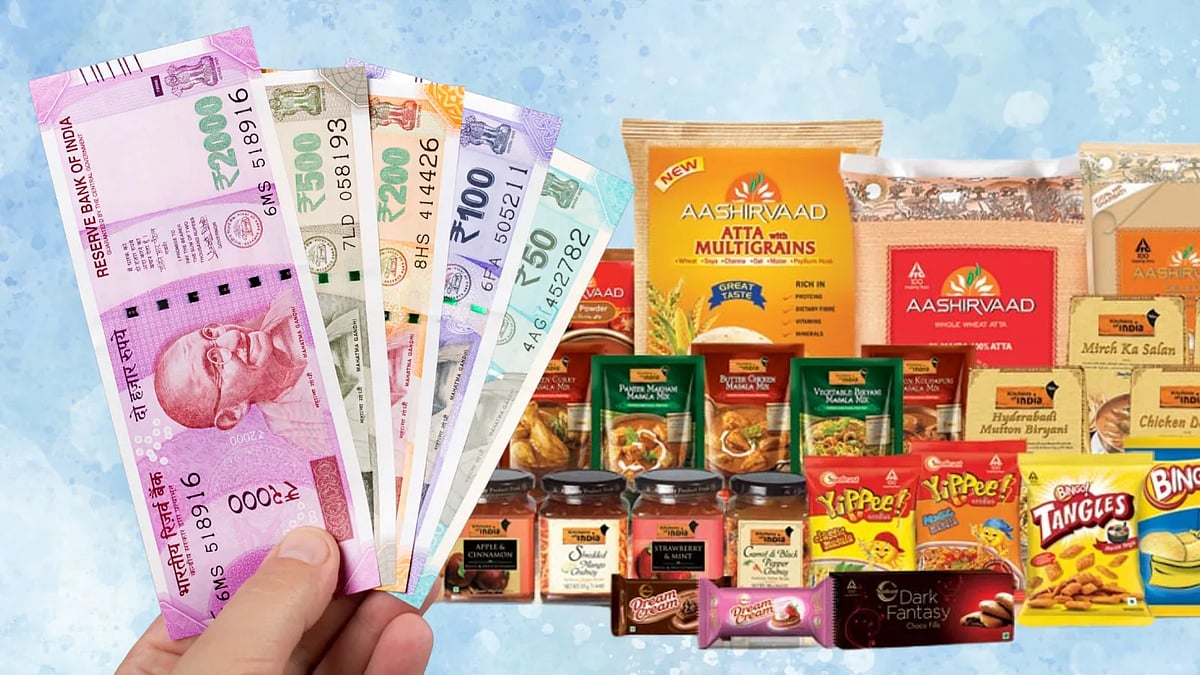
    ITC expects consumer spending on its Aashirvaad brand to double from over ₹10,000 crore to ₹20,000 crore within the next five years. The company plans to grow its core atta business while expanding into ready-to-cook, frozen, and other food categories.

    Hemant Malik, Chief Executive Officer of ITC’s Foods Division and Executive Director at ITC Ltd, said the brand is on track to reach the new spending target by 2031. “We will double in the next five years,” Malik stated.

    ITC Expands Aashirvaad Beyond Atta

    Aashirvaad entered the Indian market in May 2002 as a whole wheat atta brand. Since then, ITC has expanded it into staples, spices, fresh foods, and frozen products. The brand now has more than 200 stock-keeping units across different food categories.

    ITC currently manufactures Aashirvaad products at 66 facilities across India. This network allows the company to serve consumers in different regions and support wider distribution, while also enabling shorter delivery times.

    In FY26, ITC’s entire FMCG portfolio reached around 28 crore households and recorded nearly ₹37,000 crore in consumer spending. Consumer spending includes net sales, channel margins, and applicable taxes paid by buyers.

    ITC sees more room for growth in the atta market. The company introduced multigrain, high-protein, organic, and millet-based atta variants as consumers increasingly look for products linked to nutrition, wellness, and regional food preferences.

    Aashirvaad Expands Food Portfolio

    Along with atta, ITC is using the Aashirvaad brand to enter more convenience food categories. The company introduced ready-to-cook chapatis aimed at younger households and consumers with limited cooking time. Each pack contains 10 chapatis with no added preservatives and a shelf life of five to six days.

    The wider range also includes besan, vermicelli, rava, soya chunks, frozen naans, frozen parathas, fresh chutneys, and sambar. ITC wants these products to increase the number of meals and cooking occasions in which consumers use Aashirvaad products.

    Malik said consumers increasingly look beyond price when selecting packaged food products. “Premiumisation is not merely about a higher price point. Consumers today are willing to spend on products that offer tangible value, whether through superior quality, convenience, health and nutritional benefits built through meaningful innovation,” he said.

    He also said ITC plans to enter categories where it can address specific consumer needs. “The objective is to be present in categories where ITC can meaningfully address consumer pain points through innovation and differentiation,” Malik added.

    ITC Expands Sattu Push

    ITC also added sattu to the Aashirvaad portfolio as it expands into protein-rich traditional foods. The company launched Aashirvaad Chana Sattu in Bihar, Jharkhand, and West Bengal. It also introduced Sattu Masala under Sunrise, the spice brand ITC acquired in 2020.

    The company makes Aashirvaad Chana Sattu using a traditional sand-roasting process. It sells Chana Sattu with Jeera in Bihar and Plain Chana Sattu in West Bengal and Jharkhand. ITC also introduced a ₹10 pack that provides 10 grams of protein.

    Malik said ITC wants to expand the product outside eastern India. “While we have initially launched it in the eastern markets, we see significant potential in the product. Our ambition is to scale it nationally and make ‘sattu’ a widely accessible and affordable protein option for consumers,” he said.

    The expansion of sattu, ready-to-cook foods, frozen products, and premium atta variants forms part of ITC’s plan to widen Aashirvaad’s presence across India while working toward the ₹20,000 crore consumer spending target.

  • ITC Targets ₹20,000 Crore in Aashirvaad Consumer Spend Over Five Years as Brand Expands Beyond Atta

    ITC Targets ₹20,000 Crore in Aashirvaad Consumer Spend Over Five Years as Brand Expands Beyond Atta

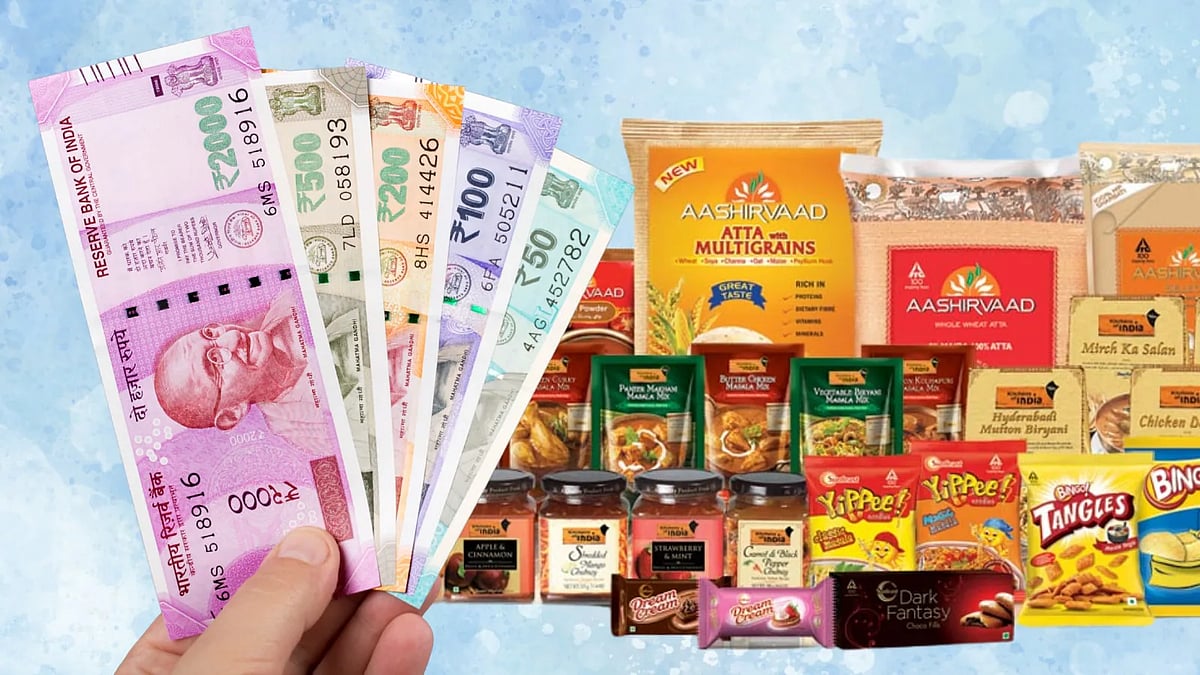
    ITC Ltd expects consumer spending on its flagship Aashirvaad brand to double from over ₹10,000 crore to ₹20,000 crore within five years, driven by expansion into ready-to-cook meals, frozen foods, and other kitchen categories.

    The company plans to grow its core atta business while adding products such as ready-to-cook chapatis, frozen naans and parathas, besan, vermicelli, rava, soya chunks, fresh chutneys, and sambar. Hemant Malik, Chief Executive Officer of ITC’s Foods Division and Executive Director at ITC Ltd, confirmed the brand would reach the new spending target in half a decade.

    “We will double in the next five years,” Malik said.

    Aashirvaad’s Journey from Atta to Full Portfolio

    Launched in May 2002 as a whole wheat atta brand, Aashirvaad has since expanded into staples, spices, fresh foods, and frozen products. The brand now carries more than 200 stock-keeping units across diverse food categories. ITC manufactures Aashirvaad products at 66 facilities across India, enabling shorter delivery times and broader distribution.

    In FY26, ITC’s entire FMCG portfolio reached around 28 crore households and recorded nearly ₹37,000 crore in consumer spending, which includes net sales, channel margins, and applicable taxes.

    Premiumisation and Convenience

    Malik noted that consumers increasingly look beyond price when selecting packaged foods. “Premiumisation is not merely about a higher price point. Consumers today are willing to spend on products that offer tangible value, whether through superior quality, convenience, health and nutritional benefits built through meaningful innovation,” he said.

    ITC is entering categories where it can address specific consumer pain points through innovation and differentiation. For example, its ready-to-cook chapatis, with no added preservatives and a shelf life of five to six days, target younger households with limited cooking time.

    Sattu Expansion

    ITC has also added Aashirvaad Chana Sattu to its portfolio, focusing on protein-rich traditional foods. The product, made using a traditional sand-roasting process, is initially available in Bihar, Jharkhand, and West Bengal. ITC also introduced Sattu Masala under the Sunrise spice brand acquired in 2020.

    “While we have initially launched it in the eastern markets, we see significant potential in the product. Our ambition is to scale it nationally and make ‘sattu’ a widely accessible and affordable protein option for consumers,” Malik said.

    The expansion into sattu, ready-to-cook foods, frozen products, and premium atta variants forms part of ITC’s broader strategy to widen Aashirvaad’s presence across India and achieve the ₹20,000 crore consumer spending goal.

  • ChatGPT Ad Pricing in India: Minimum Budget, Auction Model, and Real Costs

    ChatGPT Ad Pricing in India: Minimum Budget, Auction Model, and Real Costs

    OpenAI has launched advertising on ChatGPT in India, its second-largest market, with a minimum daily budget of Rs. 725. Sponsored results began appearing to eligible users on August 27, and the self-serve Ads Manager followed on September 4. Any business, from small local brands to large agencies, can now sign up and run campaigns without a managed account or waiting period.

    Ads appear below relevant answers in a conversation, clearly labeled as sponsored and visually separated from ChatGPT’s actual response. OpenAI states that ads do not influence the AI’s output, and advertisers only receive aggregate performance data—never access to chat history or personal conversations. Paid subscription tiers (Plus, Pro, Business, Enterprise, Education) remain ad-free, so sponsored content only reaches users on the Free and Go plans.

    Pricing operates through an auction system rather than fixed rates. OpenAI uses a relevance-weighted, second-price auction where the winning bid depends on both cost and how well the ad fits the ongoing conversation. Advertisers can choose between CPM, CPC, or conversion-focused campaign goals, with reporting including impressions, clicks, spend, and average cost per click.

    Industry watchers caution that Rs. 725 per day is a technical floor, not a realistic budget for meaningful results. Over 30 days, that minimum totals roughly Rs. 21,750—often insufficient to generate significant clicks or conversions. The actual cost depends on competition, ad relevance, industry category, and customer acquisition value. Since ChatGPT ads are new in India, marketers advise treating early campaigns as tests and judging them by conversion quality rather than comparing directly with established platforms like Meta or Google.

  • WhatsApp ‘Boss Scam’ Swindles Ahmedabad Rice Mill Out of Rs. 80 Lakh

    WhatsApp ‘Boss Scam’ Swindles Ahmedabad Rice Mill Out of Rs. 80 Lakh

    An Ahmedabad-based rice mill has fallen victim to a sophisticated cyber fraud, commonly known as the ‘boss scam,’ losing Rs. 80 lakh after a scammer impersonated the company’s owner on WhatsApp.

    According to a police complaint filed by business owner Pradip Ramvani, the fraudster gained access to the accountant Jayesh’s phone by tricking him into installing a malicious file on August 31. The attacker then replaced Ramvani’s genuine contact number with a fake one on the accountant’s phone, using the owner’s photograph as the WhatsApp profile picture to make the deception appear legitimate.

    Posing as Ramvani, the scammer sent a WhatsApp message to Jayesh instructing him to transfer Rs. 80 lakh from the company account to a specified bank account for a purported business payment. Believing the request came from his employer, Jayesh carried out the transfer.

    The fraud was only discovered when the scammer demanded an additional Rs. 30 lakh. Suspicious, Jayesh spoke directly with Ramvani, and both realized the payment instruction had originated from an unknown number. They then found the malicious file on Jayesh’s phone.

    Police have launched an investigation, tracing the unknown WhatsApp number and the beneficiary bank account. They are also examining how the phone was compromised. The case highlights the growing threat of ‘boss scams,’ where cybercriminals impersonate senior officials to trick employees into authorizing fraudulent payments.

    Authorities have advised businesses to implement strict verification protocols for financial transactions and to educate employees about such social engineering attacks.

  • India’s Foreign Exchange Reserves Hit Record High of $785.7 Billion After Weekly Surge

    India’s Foreign Exchange Reserves Hit Record High of $785.7 Billion After Weekly Surge

    India’s foreign exchange reserves rose by a record USD 44.9 billion in the week ended September 4, reaching an all-time high of USD 785.7 billion, according to data released by the Reserve Bank of India (RBI) on Friday.

    The sharp increase followed a USD 11.475 billion rise in the previous week, when reserves stood at USD 740.8 billion. The latest weekly addition was the largest ever recorded, driven by stronger foreign-currency inflows under measures introduced by the RBI in June.

    RBI Measures Boost Reserves

    Earlier this year, India’s forex reserves faced pressure as the rupee weakened during the West Asia conflict. The RBI sold dollars in the foreign exchange market to curb sharp currency movements. Total reserves had fallen to USD 666.9 billion in the week ended June 26.

    However, the trend reversed after the central bank introduced concessional foreign exchange swap measures aimed at attracting foreign-currency funds and improving domestic market liquidity. By August 31, the programme had brought in about USD 136.4 billion.

    Foreign Currency Non-Resident Bank (FCNR(B)) deposits accounted for the bulk of these flows. Banks mobilized USD 127.226 billion through the scheme, while overseas foreign-currency borrowings and external commercial borrowings added to the total.

    The RBI launched the FCNR(B) window on June 8 with an initial closing date of September 30, but closed it on August 31 after stating the programme had achieved its objective ahead of schedule.

    Forex Assets Surge

    Foreign currency assets—the largest component of India’s foreign exchange reserves—increased by USD 47.498 billion during the week to USD 648.168 billion, RBI data showed. These assets include currencies such as the euro, pound, and yen, though the RBI reports their value in US dollars, so exchange rate fluctuations can affect the reported value.

    A private bank treasury head commented, “This rise in foreign exchange reserves was expected given the amount of FCNR(B) flow.” The person added, “If we exclude gold, we almost had a USD 48 billion addition to the reserves.”

    Gold reserves moved in the opposite direction, falling by USD 2.594 billion to USD 113.816 billion during the week. Special drawing rights with the International Monetary Fund declined by USD 4 million to USD 18.806 billion, while India’s reserve position with the IMF rose by USD 2 million to USD 4.916 billion.

    India Moves to No. 4

    The latest increase pushed India above Russia to become the world’s fourth-largest holder of foreign exchange reserves, behind China, Japan, and Switzerland, according to Bloomberg data. India’s reserves have increased by about USD 120 billion in the current financial year. Foreign currency assets also recovered sharply from USD 541 billion in the week ended June 26.

    Meanwhile, the rupee remained under pressure despite the reserve boost. It fell for a fourth consecutive session on Friday, September 11, closing at 95.56 against the US dollar, compared with 94.45 in the previous session. Higher crude oil prices and rising US Treasury yields weighed on the currency. Dealers said RBI intervention, including a swap alongside spot intervention, helped the rupee recover some losses.

    Foreign-currency inflows may continue through some RBI facilities. External commercial borrowings and overseas foreign-currency bonds remain eligible under the programme until December 31.