Tag: iPhone

  • Foldable iPhone Leak Sparks Buzz: Viral Images Fuel Rumors and Debate

    Foldable iPhone Leak Sparks Buzz: Viral Images Fuel Rumors and Debate

    Images claiming to show Apple’s foldable iPhone have gone viral, captivating fans and tech watchers while stirring fresh debate over the device’s authenticity and potential price. The leaked visuals depict a phone that folds like a book, revealing a large inner screen in a design that appears slimmer than many current foldable models.

    Some observers believe the images could represent an early Apple prototype, while others suspect they are concept renders or a modified existing device. Apple has not confirmed any foldable iPhone, but the company has been linked to folding phone rumors for years, fueling the excitement.

    Foldable iPhone Rumors Are Back

    The leaked images show a book-style foldable design. However, some users have noted that the two halves appear uneven in the images, raising questions about whether the device would fold properly. Other reports suggest Apple has experimented with both book-style and flip-style models. Additionally, rumors claim the foldable iPhone, possibly called iPhone Ultra, could pack a 5,000 mAh battery and launch alongside the iPhone 18 lineup in September 2026.

    For now, there is no proof that the viral images are real. Until Apple makes an official statement, they remain part of the growing rumor mill.

    What Apple Must Get Right

    If Apple does launch a foldable iPhone, users will have high expectations. The device must be durable for daily use, with a smooth hinge and minimal screen crease. Battery life is crucial since a larger screen typically consumes more power; users will expect all-day performance. Apps should transition seamlessly between outer and inner screens, and the overall experience must feel intuitive, not just novel.

    Price will be another key test. Foldable phones from Samsung, Google, and others already cost significantly more than standard flagships, and Apple’s premium positioning suggests its foldable could be the most expensive iPhone yet. High excitement may not translate into purchases if the price tag is too steep.

    For now, all we have are rumors and viral images, but they have reignited one of the most talked-about ideas in tech.

  • iPhone 18 Pro Max 1TB Expected to Set New Price Record in India

    iPhone 18 Pro Max 1TB Expected to Set New Price Record in India

    Apple’s upcoming iPhone 18 Pro Max could become the company’s most expensive smartphone ever sold in India, with the 1TB storage variant reportedly crossing the ₹2 lakh mark. According to recent leaks, the price hike is driven primarily by rising memory and component costs rather than new hardware features.

    Early estimates from Digit suggest the top-tier model will see a significant jump over the iPhone 17 Pro series, contradicting earlier rumors that Apple might keep pricing similar to the previous generation. The shift reflects growing pressure from global supply chain expenses, especially for high-capacity memory modules.

    If the leaks prove accurate, buyers will pay a premium not only for performance but also for the status and storage capacity of the 1TB version. The final price will be confirmed at launch, but early indications point to a major repositioning of the Pro Max as an ultra-premium device.

  • iPhone 18 Pro Max Component Costs Could Rise by Nearly $300, Driven by Memory and Chip Price Hikes

    iPhone 18 Pro Max Component Costs Could Rise by Nearly $300, Driven by Memory and Chip Price Hikes

    Apple’s next flagship smartphone may come with a significantly higher production cost. According to a new report from Counterpoint Research, the bill of materials for a 1TB iPhone 18 Pro Max could be nearly $300 more than that of the 1TB iPhone 17 Pro Max. The primary reason: surging prices for memory chips and the new A20 Pro processor.

    What’s Driving the Cost Increase?

    The largest contributor is the rising cost of NAND flash storage and DRAM. NAND alone could exceed $250 per unit on the 1TB model, a figure approaching the total component cost of an entire older-generation iPhone. Memory chips are currently in short supply due to increased demand from AI-enabled smartphones and AI server infrastructure.

    The iPhone 18 Pro Max is expected to feature 12GB of RAM, up from 8GB on the current model, further adding to cost. The A20 Pro chip, likely the first phone chip built on TSMC’s new 2nm process node, is also more expensive to manufacture than its predecessor.

    Offsetting Savings and Price Adjustments

    Not all components will see price increases. The display and certain other parts may actually become cheaper. Camera costs could rise, possibly due to the introduction of a variable aperture lens. Apple is expected to adjust pricing differently across storage tiers to maintain profit margins on higher-capacity models.

    What to Expect at Launch

    The iPhone 18 Pro series is anticipated to launch in September. Average price increases could land around $200, with the largest jumps reserved for the top storage configurations. Apple has not yet announced official pricing.

    For more details, read the full report from Counterpoint Research.

  • X Launches Built-in Video Editor for iPhone to Encourage Original Content

    X Launches Built-in Video Editor for iPhone to Encourage Original Content

    X has introduced a new built-in video editor for iPhone users, designed to help creators produce original videos without leaving the app. The feature aims to reduce reposted content, enhance creator tools, and strengthen X’s position against competitors like TikTok, YouTube, and Instagram.

    The video editor is now available on iOS, with an Android version expected in the future. It includes basic editing tools such as trimming, adding captions, customizing caption styles, and a green screen option that lets users use a photo from their phone or a post on X as the background. These tools are integrated directly into the app for seamless video creation and posting.

    Video content has become a significant part of user engagement on X, with many popular clips being reposted from other accounts. By making it easier to create original videos within the app, X hopes to shift the focus from reposts to fresh, self-made content. The company wants original creators to receive more attention and value for their work.

    Nikita Bier, Head of Product at X, stated that the company plans to add more features to the video editor over the coming weeks. He noted that many large posts from prominent creators are often copied from others, and X aims to change this habit by providing better tools for original content creation. The update is part of a broader strategy to build a stronger creator platform, similar to TikTok, YouTube, and Instagram.

    This new video editor is a small update but could have a significant impact over time. It demonstrates X’s commitment to original content and reducing reposts, potentially encouraging more users to create and share videos directly on the platform.

  • Getting Started with Apple Intelligence on iPhone and Mac: A Step-by-Step Guide

    Getting Started with Apple Intelligence on iPhone and Mac: A Step-by-Step Guide

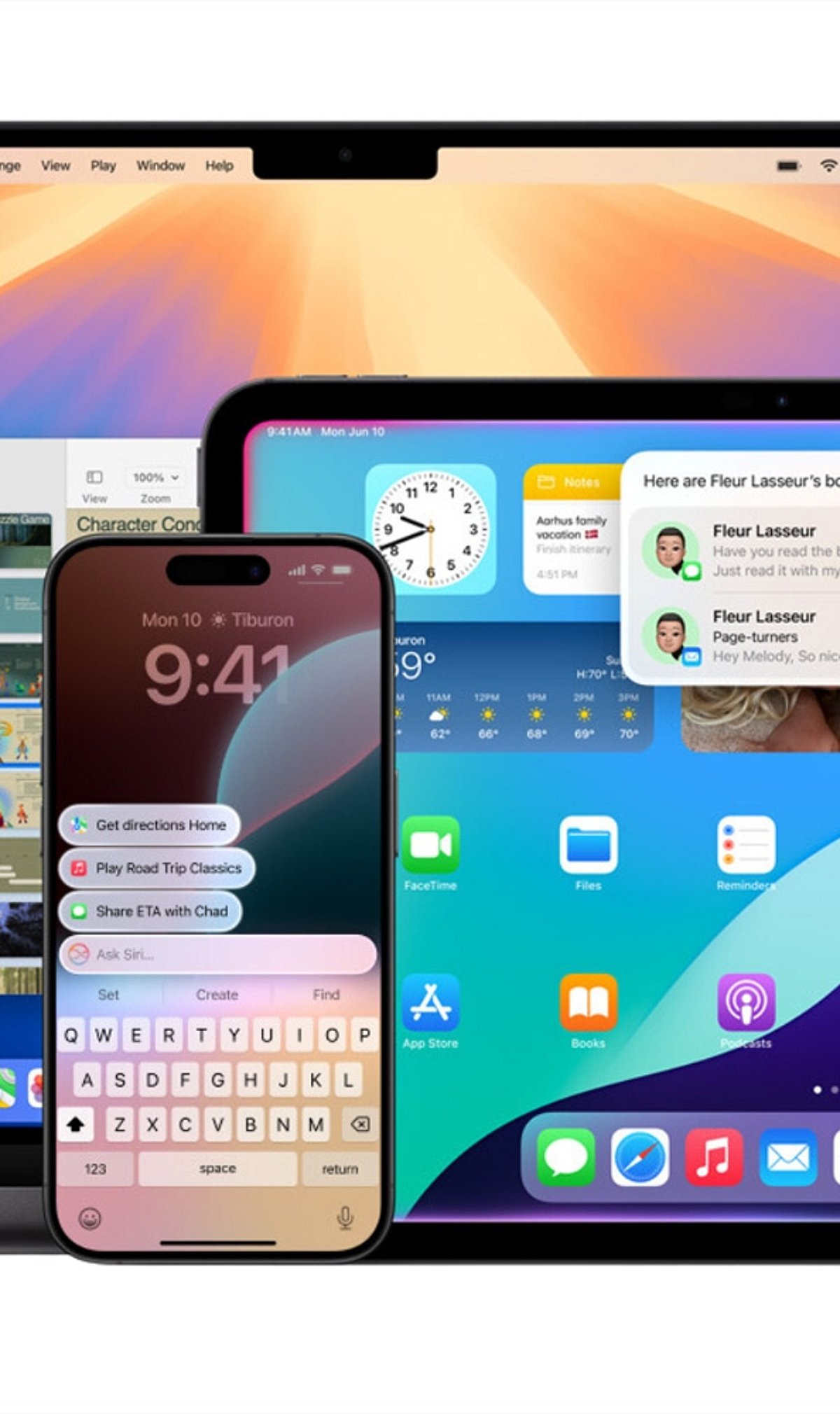
    Apple Intelligence brings powerful AI capabilities directly to your iPhone and Mac. This guide shows you how to enable it and make the most of its smartest features every day.

    Check Device Compatibility

    Apple Intelligence works on supported iPhone, iPad, and Mac models powered by Apple Silicon or the latest A-series chips. Make sure your device is compatible before proceeding.

    Update to the Latest Software

    Install the most recent version of iOS, iPadOS, or macOS to access all Apple Intelligence features. Updates often include new AI tools and improvements.

    Turn On Apple Intelligence

    Open Settings, go to Apple Intelligence, and enable AI-powered features after completing the setup process. Once activated, the system will start learning your preferences.

    Use Smarter Writing Tools

    Rewrite emails, summarize notes, proofread documents, and generate text directly inside supported apps. These tools help you communicate more effectively and save time.

    Experience the New Siri

    The upgraded Siri offers more natural conversations, deeper app control, and contextual assistance across your devices. Ask complex questions or perform multi-step tasks effortlessly.

    Create Images With Image Playground

    Generate fun illustrations, custom visuals, and creative artwork using Apple’s built-in AI tools. Perfect for adding a personal touch to messages, documents, and projects.

    Organize Notifications

    Apple Intelligence automatically prioritizes important alerts, summarizes messages, and reduces notification clutter. Stay focused on what matters most.

    Boost Productivity

    Summarize webpages, organize notes, create reminders, and speed up daily tasks with AI assistance. Let Apple Intelligence handle routine work so you can focus on what’s important.

  • Apple to Launch Five New iPhones by 2027, Including Foldable Model with Higher Production Target

    Apple to Launch Five New iPhones by 2027, Including Foldable Model with Higher Production Target

    Apple is reportedly preparing to launch at least five new iPhone models between the second half of 2026 and early 2027, including its first foldable device. The company has raised its foldable production target and is exploring new memory chip suppliers as AI-driven demand tightens global component supplies.

    The planned lineup includes the company’s first foldable iPhone, a standard iPhone 18, and a new iPhone Air model. Apple is also reviewing new memory chip suppliers as demand from artificial intelligence data centers limits global supplies. Apple has not confirmed the product plans or its reported discussions with Chinese chipmakers.

    Apple Raises Foldable iPhone Production Plans

    Apple has reportedly asked suppliers to prepare components for about 10 million foldable iPhones in 2026, up from an earlier target of between 7 million and 8 million units. The increase suggests Apple is allocating more production capacity to its first foldable smartphone. Still, the figures come from people familiar with the supply chain, and Apple has not publicly announced the device or confirmed its expected production volume.

    Reports have described the foldable phone as a premium model that could sit above Apple’s existing Pro lineup. Some market estimates have placed its possible price near $2,500, although Apple has not provided any official pricing information. Meanwhile, Samsung and Huawei already sell several foldable smartphone models. Apple’s entry would add another major brand to the category, which remains smaller than the standard smartphone market.

    Apple has also secured parts for about 80 million new iPhones scheduled for production in the second half of 2026. Its total smartphone output could exceed 220 million units this year, according to current supplier estimates.

    Five-Model Roadmap Extends into Early 2027

    Apple’s reported launch schedule covers at least five devices across two release periods. The company is expected to introduce several models in late 2026 before adding the standard iPhone 18 and another iPhone Air in early 2027. A spring release would mark a change from Apple’s usual approach of launching its main iPhone range in September. The move could allow the company to spread demand across the year and target different price groups at separate times.

    One supplier executive reportedly said Apple has ‘good motivation’ to release iPhones in spring and gain market share. However, the launch timetable remains unconfirmed, and production plans can change before devices enter mass manufacturing.

    Apple’s purchasing scale may also give it more access to limited memory supplies than smaller smartphone makers. Reports say Xiaomi, Oppo, and Vivo have reduced annual production targets to below 100 million units amid higher component prices. Additionally, Apple recently raised prices for some MacBook and iPad products as memory and storage costs increased, showing how supply pressure has reached several parts of the consumer electronics market.

    Apple Considers Chinese Memory Chip Suppliers

    Apple is reportedly holding discussions with ChangXin Memory Technologies and Yangtze Memory Technologies about supplying chips for devices sold in China. The talks are said to be ongoing, and no agreement has been announced. Both Chinese companies appear on a Pentagon list of businesses accused of links to China’s military, so any supply agreement could face political and regulatory review in the United States.

    Apple is seeking more supply options as AI data centers consume a growing share of global memory production. Strong demand for DRAM and NAND chips has raised prices for smartphone, computer, and data-center manufacturers. Using more suppliers could help Apple secure enough parts and negotiate better purchasing terms. Nevertheless, the company must consider product quality, production capacity, trade rules, and restrictions linked to Chinese technology companies.

    Apple has not commented on the reported supplier talks. The company has also not confirmed the foldable iPhone, its five-model launch schedule, or its production targets through early 2027.

  • Apple Boosts Foldable iPhone Ultra Production to 10 Million Units Ahead of 2026 Launch

    Apple Boosts Foldable iPhone Ultra Production to 10 Million Units Ahead of 2026 Launch

    Apple is accelerating preparations for its first foldable iPhone, widely expected to debut as the iPhone Ultra later this year. According to a new report from Nikkei Asia, the tech giant has asked suppliers to scale up production to nearly 10 million units for 2026, up from earlier estimates of 7–8 million. While Apple has not officially confirmed the device or its production plans, supply chain sources indicate the company is expanding manufacturing capacity well ahead of an anticipated September launch.

    Apple Bets Big on Its First Foldable iPhone

    The reported increase in production targets signals strong confidence in consumer demand for the upcoming foldable model. Nikkei Asia notes that Apple has raised its initial production target from the previously reported 7 million to 8 million units. Although the company remains tight-lipped, industry insiders suggest the foldable iPhone will feature several major upgrades:

    • A book-style folding design
    • A crease-minimizing display
    • Flagship-grade hardware
    • A titanium chassis

    The device is expected to compete directly with premium foldables already on the market. Suppliers have been told to prepare for additional orders if component demand exceeds expectations. Apple is also reportedly reserving certain components from the iPhone 17 series for future use.

    Apple Yet to Confirm Official Details

    The foldable iPhone is rumored to launch alongside the iPhone 18 Pro lineup at Apple’s next product event in September. However, the exact model name, specifications, release timeline, and manufacturing quantities have not been confirmed by Apple. The 10 million unit figure comes solely from supply chain sources and remains unverified.

    As the foldable smartphone market heats up, Apple’s aggressive production ramp-up underscores its ambition to capture a leading position in the premium segment. All eyes will be on Cupertino for an official announcement later this year.

  • Android vs iPhone 2026: AI, Ecosystem, and Market Leadership Compared

    Android vs iPhone 2026: AI, Ecosystem, and Market Leadership Compared

    The rivalry between Android and iPhone has entered a new phase in 2026, where hardware specifications take a back seat to artificial intelligence, ecosystem connectivity, and software longevity. Today, consumers evaluate smartphones not just by processing power or camera specs, but by how well they integrate with other devices, how intelligently they assist daily tasks, and how long they remain secure and up to date.

    Market Share Doesn’t Tell the Full Story

    Android continues to dominate global smartphone shipments, holding more than two-thirds of the market. This broad reach comes from a wide product range—from budget to premium devices offered by Samsung, Google, Xiaomi, Oppo, and Vivo. Meanwhile, Apple carves out a different niche. Although iPhone shipment volumes are lower, Apple leads the premium segment in North America, Japan, and parts of Europe. Customer loyalty is exceptionally high, with strong retention rates and frequent upgrades. Apple’s premium pricing strategy allows it to capture a disproportionate share of industry profits despite selling fewer devices.

    AI Has Become the New Battleground

    Artificial intelligence now serves as a key differentiator. Users judge smartphones by how useful AI features are in everyday life. Apple Intelligence combines on-device and cloud processing to offer writing assistance, image creation, notification summaries, and privacy-focused recommendations. Google integrates Gemini AI into Android for conversational help, document summarization, advanced search, and multimodal interactions. Samsung Galaxy AI adds real-time language translation, intelligent photo editing, and note summarization. Real-time translation, context-aware voice assistants, and AI image generation have moved from premium to standard expectations. On-device AI capabilities also address privacy concerns and deliver faster responses.

    Ecosystem Remains Apple’s Biggest Advantage

    Apple’s strongest competitive advantage extends beyond the iPhone itself. Seamless integration across Mac, iPad, Apple Watch, and AirPods via Continuity, AirDrop, Universal Clipboard, and iCloud synchronization creates a friction-free user experience that fosters loyalty. Android offers diversity: Google’s apps integrate smoothly across devices, while Samsung enhances interoperability among Galaxy devices, wearables, and Windows PCs. Android gives customers more choice and cross-brand flexibility, while Apple benefits from a consistent, vertically integrated strategy.

    Android Wins on Choice and Innovation

    Android’s hardware variety is unmatched. Consumers can choose from entry-level models, mid-range phones, gaming devices, high-end flagships, and foldables across every price point. Manufacturers compete on camera systems, fast charging, advanced cooling, and foldable displays, driving rapid hardware innovation. This variety allows Android to adapt quickly to consumer trends compared to Apple’s single-ecosystem approach.

    Which Platform Is Better for Different Users?

    • Business professionals prefer Apple for seamless ecosystem integration across Mac, iPad, and iPhone, plus strong security and long software support.
    • Gamers often choose Android for gaming phones with high refresh rates, better cooling, and larger batteries; iPhones excel in performance optimization and developer support.
    • Content creators enjoy color consistency and video workflows on Apple, while Android manufacturers innovate in camera hardware and computational photography.
    • Students and budget buyers favor Android for its wide range of affordable options.
    • Privacy-conscious users lean toward Apple for on-device processing and data handling; Android fans value customization and flexibility.

    For more details, read our related coverage on the Samsung Galaxy M47 5G and the iPhone 18 Pro memory upgrade.

    Frequently Asked Questions

    1. Which operating system has the largest market share in 2026?
    Android holds the largest global market share because multiple manufacturers produce devices at every price point, making it accessible worldwide.

    2. Why does Apple dominate the premium smartphone market?
    Apple combines premium hardware, extended software support, strong privacy protections, and seamless ecosystem integration, resulting in high customer loyalty and profitability.

    3. How important is AI in choosing a smartphone in 2026?
    AI significantly influences buying decisions through intelligent assistants, writing tools, live translation, image generation, and on-device processing that enhance daily experiences.

    4. Which platform offers better software support?
    Apple generally delivers longer and more consistent software updates across supported models, while Android update policies vary by manufacturer.

    5. Is Android or iPhone better for different types of users?
    Android suits budget buyers, gamers, and those seeking hardware variety. iPhone appeals to professionals, privacy-focused users, and those invested in Apple’s ecosystem.

  • Top 8 Document Scanner Apps for iPhone – 2025 Edition

    Top 8 Document Scanner Apps for iPhone – 2025 Edition

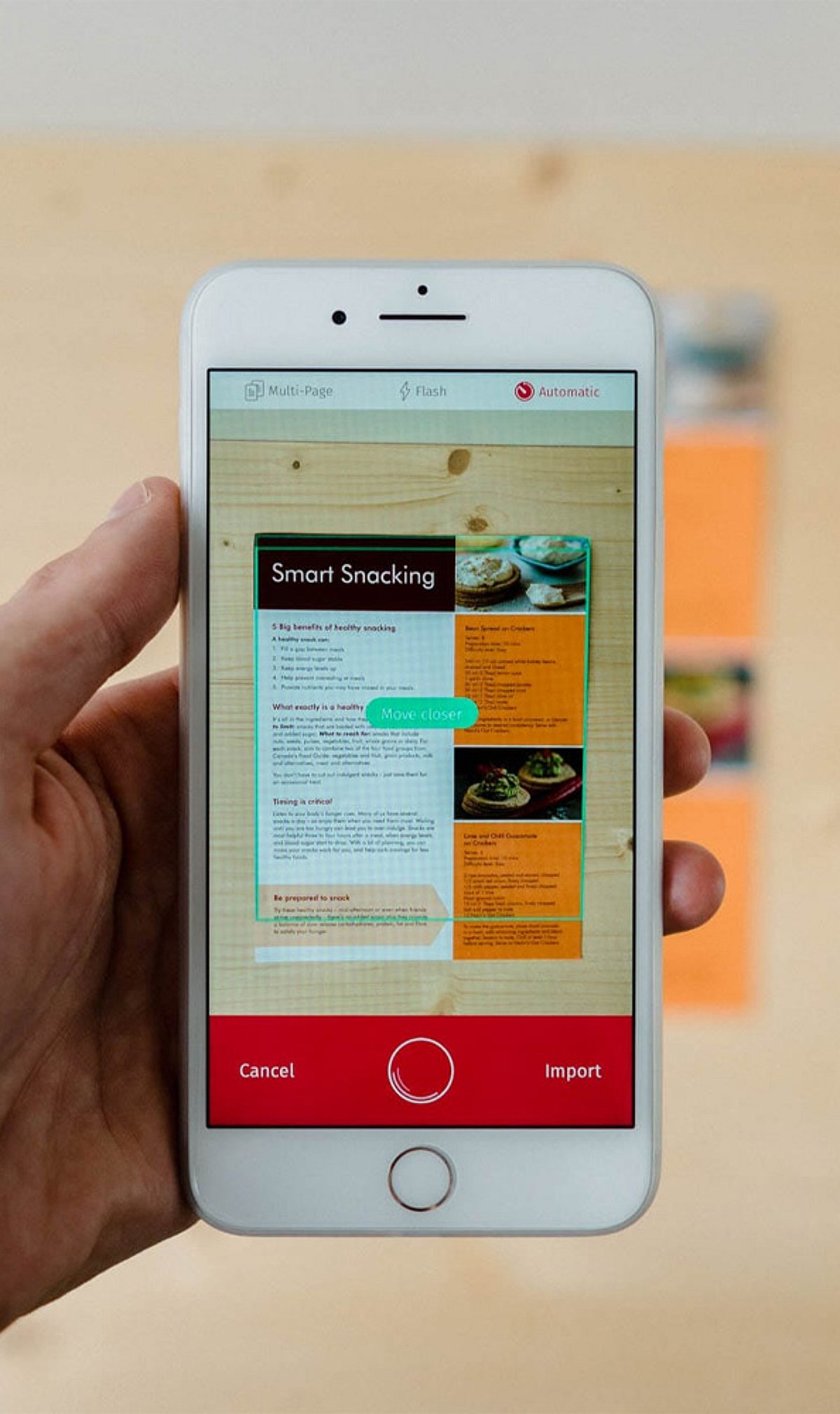
    Gone are the days when you needed a bulky scanner to digitize paperwork. With the latest iPhone models, a simple app can turn your device into a powerful document scanner. In this guide, we review eight of the best iPhone document scanner apps, highlighting their key features, from OCR to cloud syncing, to help you stay productive on the go.

    1. Adobe Scan

    Adobe Scan converts physical documents into high-quality PDFs with Optical Character Recognition (OCR), automatic edge detection, and seamless cloud synchronization. It integrates directly with Adobe Acrobat services, making it an excellent choice for professionals who need reliable PDF editing and sharing.

    2. Microsoft Lens

    Formerly known as Office Lens, Microsoft Lens captures documents, whiteboards, receipts, and business cards with ease. It exports directly to Word, Excel, OneNote, PDF, and cloud storage, streamlining the transition from analog to digital in any workflow.

    3. CamScanner

    CamScanner offers intelligent document scanning with OCR text recognition, annotation tools, password protection, and cloud backup. Its multi-platform sharing capabilities make it a favorite for both personal and business users who need secure, accessible document management.

    4. Apple Notes Scanner

    Built directly into the iPhone’s Notes app, the document scanner provides quick scanning with automatic cropping and PDF creation. It syncs seamlessly via iCloud, requiring no extra downloads—ideal for Apple users who want a simple, built-in solution.

    5. SwiftScan

    SwiftScan delivers premium-quality scans with OCR, automatic image enhancement, and cloud integration. It supports PDF editing and uses secure encryption, making it suitable for both personal and business documents that require confidentiality.

    6. Genius Scan

    Genius Scan features smart document capture with perspective correction, batch scanning, PDF generation, and secure cloud backups. Its efficient organizational tools help users keep paperwork tidy directly from their iPhone.

    7. Scanner Pro

    Scanner Pro boasts advanced scanning technology, OCR support, document editing, and automatic uploads. Integration with popular cloud storage services makes it a strong contender for professional workflows that need speed and reliability.

    8. Tiny Scanner

    Tiny Scanner creates crisp PDF scans from documents, receipts, notes, and photos. It includes batch scanning, password protection, and easy sharing via email or cloud services, all in a lightweight package.

    9. iScanner

    iScanner combines document scanning, OCR, PDF editing, e-signatures, and file management into one comprehensive productivity app. It’s designed for everyday personal and business use, offering a wide array of tools in a single interface.

    Whether you need basic scanning or advanced OCR features, these apps can transform your iPhone into a powerful document management tool. Download the one that fits your workflow and say goodbye to paper clutter.