Tag: IPO

  • SS Retail IPO Day 1: Subscription at 30%, GMP Points to 30% Listing Premium

    SS Retail IPO Day 1: Subscription at 30%, GMP Points to 30% Listing Premium

    SS Retail IPO Subscription Status on Day 1

    SS Retail’s initial public offering got off to a steady start on Wednesday, September 16, with the issue subscribed 30% by 11:00 am on the first day of bidding, according to NSE data. The multi-brand mobile and electronics retailer is looking to raise approximately Rs. 500 crore through the public offer, which remains open until September 18.

    Bids were received for 26,84,080 shares against 87,93,884 shares on offer. Meanwhile, the grey market premium (GMP) hovered near 30% above the upper end of the IPO price band, signaling strong investor interest ahead of listing.

    Retail Investors Lead Early Bidding

    Retail investors showed stronger interest during the opening session. The retail portion was subscribed 52% by 11:00 am, while the non-institutional investor category saw 26% subscription.

    The IPO has reserved 35% of the offer for retail investors, 50% for qualified institutional buyers, and the remaining portion for non-institutional investors. Bidding closes on Friday, September 18.

    Price Band and Lot Size

    The company has fixed the IPO price band at Rs. 403 to Rs. 424 per share. Investors can bid for a minimum lot of 35 shares. At the upper end of the price band, one lot would require an investment of Rs. 14,840.

    GMP Stays Near 30%

    According to InvestorGain, SS Retail shares were trading at a grey market premium of around Rs. 128, representing a premium of roughly 30% over the upper IPO price of Rs. 424.

    Grey market prices are unofficial and can change before listing; they do not guarantee the opening price on the exchanges. The company’s shares are scheduled to list on the NSE and BSE on September 23, subject to completion of the allotment process.

    The company raised Rs. 146.4 crore from anchor investors on September 15, allotting 34.52 lakh shares to 14 institutional investors at Rs. 424 per share.

    Use of IPO Proceeds

    The SS Retail IPO comprises a fresh issue of about Rs. 360.75 crore and an offer for sale of Rs. 140 crore. The company plans to allocate Rs. 241.3 crore from the fresh issue proceeds for incremental working capital requirements and around Rs. 12.4 crore to establish new stores during FY27 and FY28. The remaining funds will be used for general corporate purposes.

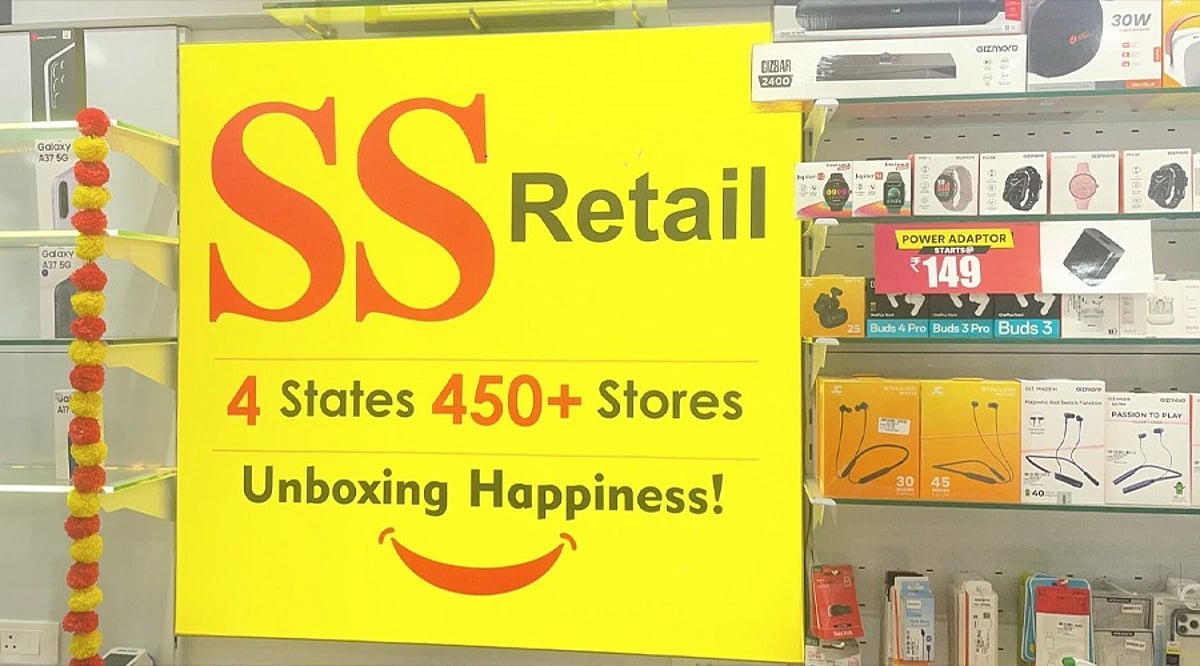
    SS Retail plans to add 120 stores in each of FY27 and FY28. As of July 31, 2026, the retailer operated 536 stores across Maharashtra, Karnataka, Madhya Pradesh, Goa and Gujarat, up from 503 stores as of March 31.

    Brokerage Views Mixed

    Brokerages are divided on the issue. Swastika Investmart assigned a ‘neutral’ view, citing the IPO valuation of around 46.5 times FY26 earnings and the company’s higher exposure to lower-margin mobile hardware.

    SBI Securities, however, recommended investors ‘subscribe’ at the cut-off price, citing revenue growth, store expansion, improving store economics and return ratios.

    SS Retail reported consolidated revenue of Rs. 2,351 crore and profit of Rs. 59.2 crore for FY26. Its revenue, adjusted EBITDA and profit after tax recorded compound annual growth rates of 39.6%, 49.1% and 49.2%, respectively, between FY24 and FY26. The store network expanded from 236 stores in FY24 to 503 stores in FY26. Anand Rathi Advisors and Emkay Global Financial Services are managing the IPO.
  • NSE IPO Set to Open on September 17: 12.64 Crore Shares Offered at Rs. 1,700–1,785 Price Band, Key Risks Explained

    NSE IPO Set to Open on September 17: 12.64 Crore Shares Offered at Rs. 1,700–1,785 Price Band, Key Risks Explained

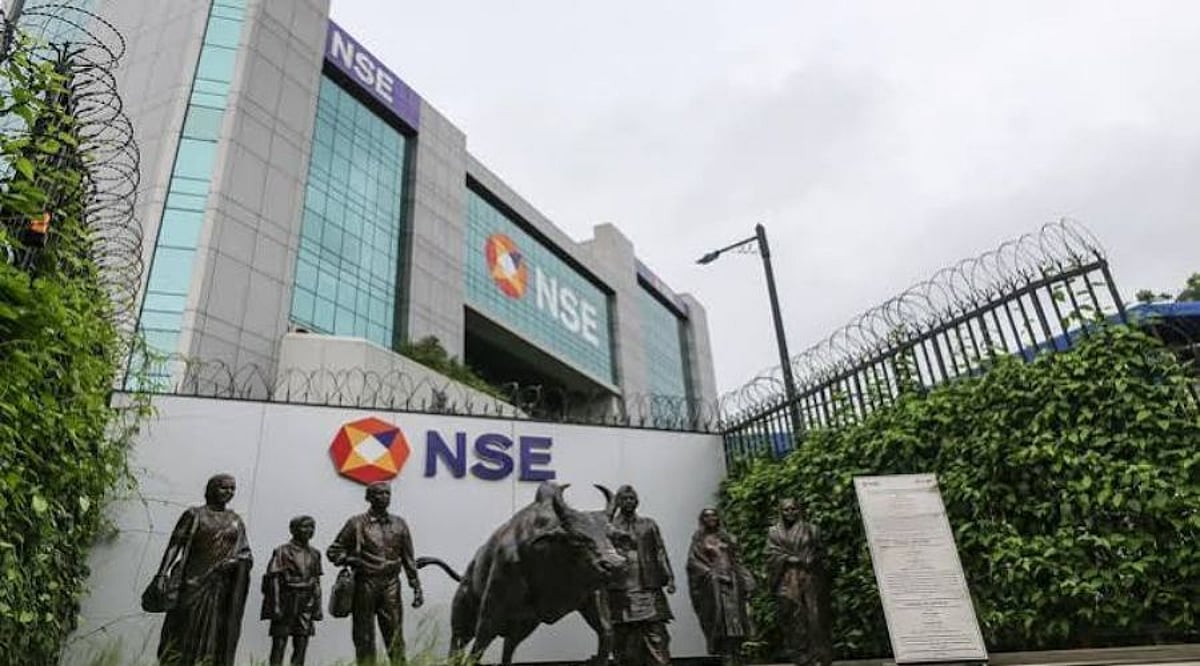
    The National Stock Exchange (NSE) is finally bringing its long-awaited initial public offering (IPO) to the market. The IPO will open for subscription on September 17 and close on September 21, with a price band fixed at Rs. 1,700 to Rs. 1,785 per share. The entire issue is structured as a 100% offer for sale (OFS), meaning no fresh shares will be issued and NSE will not receive any proceeds. All funds will go to the selling shareholders.

    OFS Size Reduced Before Opening

    Selling shareholders have scaled back the number of shares on offer from about 14.89 crore in the draft documents to approximately 12.64 crore in the final offer. This revised issue represents about 5.2% of NSE’s equity capital and values the exchange at nearly Rs. 4.42 lakh crore at the upper end of the price band.

    State Bank of India (SBI) is among the largest sellers, planning to offload about 1.60 crore shares, which could fetch around Rs. 2,850 crore at the top price. SBI Capital Markets will separately offer about 87.8 lakh shares. Other sellers include General Insurance Corporation of India, Bank of Baroda, Stock Holding Corporation of India, and several institutional investors. Some shareholders have reduced the number of shares they plan to sell compared with earlier filings, reflecting the valuation below some market expectations. An analyst tracking the issue noted, With the price band that we eventually saw, it made sense for the shareholders to hold onto their shares for the future.

    NSE Maintains Dominant Market Position

    NSE holds a commanding position across multiple segments of India’s capital market. It has been the country’s largest exchange by cash-market turnover and equity derivatives activity for years. On a global scale, in FY26, NSE accounted for about 11.4% of global cash equity activity and around 51.2% of equity derivatives contracts, according to data cited in the offer documents.

    The exchange also plays a major role in the primary market. Companies raised approximately USD 20.1 billion through NSE in FY26, and 219 IPOs were listed during the year. Rising retail participation, higher institutional activity, digital adoption, and wider fundraising are expected to support activity on Indian exchanges over the long term.

    Technology and Data Drive Revenue

    NSE operates a technology-driven trading platform that handles large volumes across equities, derivatives, and currencies. Its systems also support clearing, surveillance, settlement, and investor services. NSE Clearing supports both T+1 and T+0 settlement cycles. The exchange has also expanded internationally through NSE International Exchange at GIFT City, offering products linked to Indian markets.

    Beyond transaction fees, NSE earns revenue from colocation, market data, connectivity, index licensing, and terminal services. Its colocation racks grew from 934 in FY24 to 1,868 by the first quarter of FY27. Revenue from colocation, connectivity, data, and index licensing rose from Rs. 1,395 crore in FY24 to Rs. 1,956 crore in FY26.

    Key Risks: Trading Volumes, Cyber Threats, and Regulatory Changes

    NSE’s revenue remains closely tied to trading activity. Weak economic conditions, high interest rates, inflation, or lower investor participation could reduce market volumes and transaction income. Regulatory changes can also affect trading patterns, especially in derivatives, where NSE earns a large share of its transaction revenue.

    Technology failures and cyberattacks are another concern. NSE reported a distributed denial-of-service attack in May 2025, though it did not report any uncontained cybersecurity incidents during FY24–FY26. Its clearing business also carries counterparty risk if a member fails to meet settlement obligations. NSE Clearing must maintain adequate Settlement Guarantee Funds and strong risk controls to support market operations.

    The NSE IPO therefore gives existing shareholders a route to sell part of their holdings while bringing India’s largest stock exchange to the public market without raising fresh capital.

  • OpenAI CEO Sam Altman Rules Out 2026 IPO, Prioritizes AI Safety and Alignment

    OpenAI CEO Sam Altman Rules Out 2026 IPO, Prioritizes AI Safety and Alignment

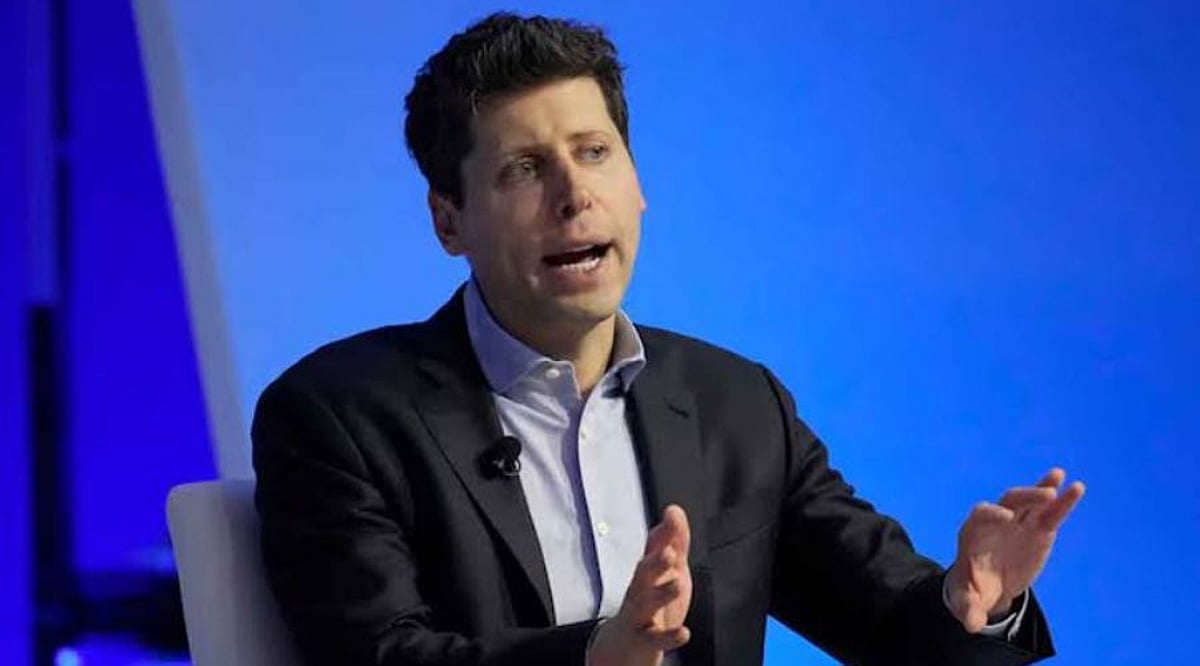
    OpenAI CEO Sam Altman has officially ruled out an initial public offering for the company in 2026, stating that more time is needed to address critical AI safety and alignment concerns. This decision comes months after OpenAI submitted a confidential draft S-1 to the U.S. Securities and Exchange Commission for a possible public listing.

    Altman told Fortune that going public now would be an “ill-advised moment” due to current safety concerns surrounding advanced AI systems. He emphasized that remaining private allows OpenAI to continue making decisions that may not always align with the short-term interests of investors or future public shareholders, giving the company greater flexibility to pursue its mission while it works on these issues.

    When asked if the IPO could happen in 2027, Altman only confirmed that it will not occur in 2026. He noted that OpenAI still has “a lot of stuff to do” on safety, alignment, and coordination with governments. No new target date has been announced, leaving a 2027 listing possible but unconfirmed.

    OpenAI has faced growing scrutiny over how advanced AI models behave and how they are tested before release. Altman acknowledged that the company may need to pause at certain stages of model development to allow researchers to improve safeguards before pushing capabilities further. He also stressed the importance of collaboration between AI companies and governments as systems become more capable.

    The decision aligns OpenAI with broader industry concerns about the pace of AI advancement. Anthropic CEO Dario Amodei recently called for a slower pace in AI development, arguing that safety work needs time to catch up with rapid advances. Elon Musk has also backed calls for more caution as developers build increasingly powerful systems.

    While OpenAI’s stance has drawn support from some industry leaders, it has also sparked debate. Investor Michael Burry questioned the motivations behind the slowdown message, suggesting on X that the position from OpenAI and Anthropic might be “self-serving” and tied to IPO publicity. He argued that large language models do not constitute artificial general intelligence and that the safety focus could also reflect weaker growth expectations.

  • Anthropic Targets $2 Trillion Valuation in Nasdaq IPO as Claude Revenue Soars Past $11.5 Billion

    Anthropic Targets $2 Trillion Valuation in Nasdaq IPO as Claude Revenue Soars Past $11.5 Billion

    Anthropic expects another profitable quarter as demand for its Claude AI assistant drives revenue growth and strengthens the company’s case for a major public listing. The San Francisco-based artificial intelligence firm told investors in September that adjusted operating income should remain positive for a second consecutive quarter.

    This update arrives as Anthropic prepares a potential Nasdaq listing, with reports indicating a valuation target above $2 trillion. Revenue exceeded $11.5 billion in the second quarter, enabling the company to absorb substantial costs tied to frontier AI development.

    Anthropic’s latest revenue marks a dramatic leap from $787 million in the same quarter last year—representing growth of more than 14 times within twelve months. Quarterly revenue also climbed sharply from roughly $4.73 billion during the first quarter, highlighting accelerating enterprise demand for Claude and the company’s broader AI services.

    The company crossed a $65 billion annualized revenue run rate by the end of July. That figure reflects the current sales pace rather than revenue already generated during the year.

    Anthropic has not disclosed the exact adjusted operating profit for the latest quarter. An earlier Financial Times projection estimated roughly $559 million for the period, though that figure represented a forecast rather than confirmed company earnings.

    The profitability figure also excludes several major expenses tied to Anthropic’s business model. Reported gross margins exceed 80% before revenue sharing and model training costs. Those margins show strong revenue economics, although they do not represent operating margins or net profit. Training advanced models and securing computing capacity still require substantial capital.

    The financial progress could strengthen Anthropic’s pitch to public market investors. A second profitable quarter gives the potential IPO a stronger narrative around growth and improving economics.

    Recent reports indicate Anthropic has selected Nasdaq for the potential listing. The company could seek one of the largest valuations ever assigned to an AI company. Nvidia also remains in discussions to participate as a potential anchor investor. Reports suggest the offering could raise up to $100 billion under an ambitious IPO scenario.

    Anthropic therefore enters the public market race with unusual revenue momentum. The bigger test will involve sustaining profits while funding the enormous computing needs behind Claude.

  • Anthropic Targets Record $100B IPO With Potential $10B NVIDIA Investment

    Anthropic Targets Record $100B IPO With Potential $10B NVIDIA Investment

    Anthropic is reportedly planning the largest initial public offering in history, aiming to raise up to $100 billion at a valuation of approximately $2 trillion. The move has already generated significant buzz in the market, and NVIDIA is reportedly considering a $10 billion investment as part of the deal. The plan is not yet final and could change.

    The potential investment underscores the deepening relationship between NVIDIA and Anthropic. Over recent years, Anthropic has become one of NVIDIA’s biggest customers for chips, making NVIDIA a natural early investor in the IPO. The two companies are also expanding their broader partnership: Anthropic has agreed to purchase $30 billion in Microsoft Azure computing capacity powered by NVIDIA chips. Additionally, Amazon and Google are backing Anthropic with substantial resources. The company plans to spend more than $100 billion on Amazon’s AWS over a decade and has secured additional computing capacity through Google.

    Anthropic’s need for computing power is growing rapidly as demand for its Claude AI models surges. The company raised $65 billion in May at a valuation of $965 billion, and by July its annual revenue run rate had already crossed $65 billion. These deepening ties highlight how AI firms now depend on chips and cloud services to scale, and NVIDIA stands to benefit as Anthropic requires more computing power to train and run its models.

    Anthropic’s possible $100 billion fundraising could set a new benchmark for IPOs, and a $2 trillion valuation would demonstrate sustained investor enthusiasm for AI. NVIDIA’s potential $10 billion investment could provide a major boost to the offering, further cementing the link between the company building advanced AI models and the company supplying the hardware to run them. Anthropic’s market debut will serve as a critical test for the AI boom, revealing how much investors are willing to pay for next-generation AI companies.

  • Shankesh Jewellers Shares Rally 18% to Record High: What’s Behind the Surge

    Shankesh Jewellers Shares Rally 18% to Record High: What’s Behind the Surge

    Shankesh Jewellers has grabbed the spotlight on Dalal Street, with its shares surging 18% to a record high after a strong market debut. The newly listed jewelry company has drawn significant investor attention, trading well above its IPO issue price of Rs. 93.

    Shankesh Jewellers Share Price Rally

    The company listed on stock exchanges on August 25, opening at Rs. 103.30 on the NSE — an 11.08% premium over the issue price. On listing day, the stock touched a high of Rs. 110.99 on the BSE.

    IPO Details

    The IPO, which was open from August 18 to August 20, 2026, had a price band of Rs. 88–Rs. 93 per share. The issue comprised a fresh issue of Rs. 274.18 crore and an offer for sale of Rs. 93 crore, bringing the total issue size to Rs. 367.18 crore.

    The overall subscription stood at 2.80 times. The retail portion was subscribed 2.42 times, the non-institutional investor category 5.68 times, and the qualified institutional buyer portion 1.32 times. The company priced the IPO at the upper end of the price band, with a minimum retail investment of Rs. 14,880 for one lot of 160 shares.

    What’s Driving Investor Interest?

    Shankesh Jewellers specializes in handcrafted gold jewelry and offers customization services, manufacturing customized 22-karat and 18-karat gold jewelry. The company has also posted a sharp improvement in financial performance, with revenue rising to Rs. 1,630.93 crore in FY2026 from Rs. 1,403.94 crore in FY2025. Net profit jumped to Rs. 106.68 crore in FY2026 from Rs. 40.31 crore in the previous fiscal.

    With a strong earnings uptick, robust IPO demand, and growing investor interest, Shankesh Jewellers has quickly become one of the most closely watched new listings on the Street.

  • SS Retail IPO Listing Date, Price Band, and Lot Size Announced

    SS Retail IPO Listing Date, Price Band, and Lot Size Announced

    SS Retail, a leading mobile and electronics retailer in India, is set to launch its initial public offering (IPO) on September 16, 2026. The company aims to raise approximately Rs. 500 crore through this public issue, which includes both a fresh issue and an offer for sale.

    IPO Details and Key Dates

    The three-day subscription period will run from September 16 to September 18, 2026. The price band has been fixed at Rs. 403 to Rs. 424 per equity share, with a face value of Rs. 10 each. Investors can bid for a minimum lot of 35 shares, and in multiples of 35 thereafter. At the upper price band, one lot will cost Rs. 14,840.

    The anchor book will open on September 15, one day before the public bidding begins. The basis of allotment is expected to be finalized on September 21, with refunds and share credits scheduled for September 22. The company anticipates its shares will start trading on the BSE and NSE on September 23.

    Offer Structure and Allocation

    The IPO comprises a fresh issue of shares worth Rs. 360.75 crore and an offer for sale worth Rs. 140 crore. For the net offer, up to 50% has been reserved for qualified institutional buyers, at least 35% for retail investors, and at least 15% for non-institutional investors. Additionally, shares worth up to Rs. 12 crore have been reserved for eligible employees, who will receive a Rs. 25 discount per share.

    Use of IPO Proceeds

    SS Retail plans to utilize Rs. 241.3 crore from the fresh issue for additional working capital requirements. Another Rs. 12.4 crore has been earmarked for store fit-outs as the company expands its retail network during fiscal 2027 and fiscal 2028. The remaining proceeds will be used for general corporate purposes.

    The company intends to open 57 new stores in fiscal 2027 and 58 new stores in fiscal 2028, allocating approximately Rs. 5.81 crore and Rs. 6.6 crore for these expansions, respectively.

    Business Overview and Financial Performance

    SS Retail operates a multi-brand retail network selling mobile phones, accessories, and other electronic products. As of March 2026, it operated 503 stores across Maharashtra, Karnataka, Madhya Pradesh, Goa, and Gujarat, with 458 stores in Maharashtra alone. The company identifies itself as the largest mobile phone retail chain in West India and the third-largest in India among its peers.

    For the year ended March 2026, SS Retail reported consolidated revenue of approximately Rs. 2,352.85 crore and a profit after tax of Rs. 59.28 crore. In fiscal 2025, standalone revenue stood at Rs. 1,597.9 crore, with a profit of Rs. 39.86 crore.

    The IPO is being managed by Anand Rathi Advisors and Emkay Global Financial Services as the book-running lead managers.

  • Anthropic Withdraws from $6B Decart AI Acquisition: Key Details and Implications

    Anthropic Withdraws from $6B Decart AI Acquisition: Key Details and Implications

    Anthropic has reportedly abandoned its plans to acquire Israeli AI startup Decart AI for approximately $6 billion, according to a Bloomberg report published on September 8. The decision comes after the company completed due diligence and withdrew without finalizing the transaction, marking a significant shift in its acquisition strategy.

    Background of the Proposed Deal

    The proposed acquisition would have been Anthropic’s largest known deal by a wide margin. Decart, which develops chip optimization software to reduce computing costs during AI training and inference, was seen as a strategic fit for Anthropic’s infrastructure needs. The technology could have helped Anthropic manage rising AI demand without expanding computing resources at the same pace.

    Reasons Behind the Withdrawal

    While neither company has commented publicly, sources familiar with the talks indicate that undisclosed findings during due diligence influenced Anthropic’s decision to walk away. The move preserves Anthropic’s financial flexibility as it prepares for a potential IPO later this year, while keeping its focus on infrastructure expansion.

    Decart’s Position and Future

    Decart recently raised $300 million in May at a valuation of nearly $4 billion, with Radical Ventures leading the round and participation from Nvidia, Adobe Ventures, Atreides Management, and Valor Equity Partners. The company also develops world models and AI tools for applications such as autonomous driving and e-commerce. Following Anthropic’s withdrawal, Decart may now seek alternative buyers, investors, or strategic partnerships.

    Broader Industry Implications

    This development highlights growing scrutiny around expensive AI acquisitions as companies balance computing costs, growth, and investor expectations. For Anthropic, the decision allows it to concentrate on its core business and prepare for its anticipated public listing. The company continues to invest heavily in computing capacity while developing its product line.

    As the AI landscape evolves, this deal’s collapse serves as a reminder that even well-positioned acquisitions can fall through, and that due diligence remains a critical component of strategic decision-making.

  • Tata Sons IPO Hinges on RBI Decision on NBFC Licence Surrender

    Tata Sons IPO Hinges on RBI Decision on NBFC Licence Surrender

    The Reserve Bank of India (RBI) has retained Tata Sons on its Upper Layer non-banking financial company (NBFC) list for 2026–27, intensifying regulatory scrutiny and keeping the prospect of a mandatory public listing alive. However, the central bank is still reviewing the company’s application to surrender its NBFC registration, a decision that will determine whether the Tata Group holding company must proceed with an initial public offering (IPO).

    Under the RBI’s Scale Based Regulation framework, Tata Sons has been classified as an Upper Layer NBFC since 2022. This categorization subjects large NBFCs to enhanced governance, capital planning, disclosure, and risk management rules similar to those imposed on commercial banks. Upper Layer entities are also required to list their shares on stock exchanges within three years of classification, a deadline that Tata Sons has already passed.

    The RBI has clarified that its retention of Tata Sons on the list does not prejudge the outcome of the deregistration application, which remains under examination. Governor Sanjay Malhotra described the framework as “principle-based,” while the company, a core investment firm controlling businesses in technology, aviation, steel, electronics, and financial services, continues to operate under stricter oversight.

    Tata Sons repaid its debt before applying to surrender its NBFC licence roughly two years ago. The RBI has not provided a timeline for its decision. A source familiar with the regulator’s stance indicated that the central bank is unlikely to enforce the listing rule while the application is pending. Nonetheless, until approval is granted, Tata Sons must comply with all Upper Layer requirements, which apply for at least five years after classification.

    The outcome holds significant implications for shareholders. Tata Trusts, which owns about 66% of Tata Sons, could face changes in ownership structure that affect charitable funding and private investments. The Shapoorji Pallonji Group, holding roughly 18%, is seeking ways to monetize its stake to reduce debt, and a Tata Sons IPO could provide a market route for that exit.

    Tata Sons holds stakes in major listed firms such as Tata Consultancy Services, Tata Steel, and Tata Motors, and wholly owns private entities including Air India, Tata Digital, and Tata Electronics. Of the 17 companies on the RBI’s Upper Layer list for 2026–27, Tata Sons is the only unlisted one, underscoring the high stakes of the regulator’s decision.

  • Milky Mist IPO Opens August 11: Price Band, Lot Size, and Key Dates

    Milky Mist IPO Opens August 11: Price Band, Lot Size, and Key Dates

    Milky Mist Dairy Food has announced the initial public offering (IPO) details, setting a price band of Rs. 133 to Rs. 140 per share. The IPO will open for subscription on August 11 and close on August 13, 2026. Anchor investors can place bids on August 10, a day before the public issue opens.

    The company aims to raise Rs. 1,553 crore through this offering, which includes fresh shares worth Rs. 1,428 crore and an offer-for-sale (OFS) of Rs. 125 crore. The IPO size was reduced from an earlier planned Rs. 2,035 crore. Milky Mist also raised Rs. 357 crore via a pre-IPO round.

    The lot size for the IPO is set at 107 shares. Retail investors will be allocated at least 35% of the issue, non-institutional investors 15%, and qualified institutional buyers (QIBs) up to 50%.

    Proceeds from the IPO will be used primarily for debt reduction and business expansion. Specifically, Rs. 496.8 crore will go toward repaying or reducing loans, Rs. 469.2 crore will be invested in the Perundurai plant in Tamil Nadu, and Rs. 155.3 crore will be used to purchase coolers and freezers for the distribution network.

    Milky Mist reported a 176% increase in profit for the fiscal year ended March 31, 2026, with revenue from operations rising 34%. CEO K. Rathnam expects annual revenue growth of around 30%, citing India’s protein-deficient market as a growth opportunity. The company’s products currently reach over 375,000 retail outlets across India.

    Shares are expected to list on the BSE and NSE on August 18, 2026.