
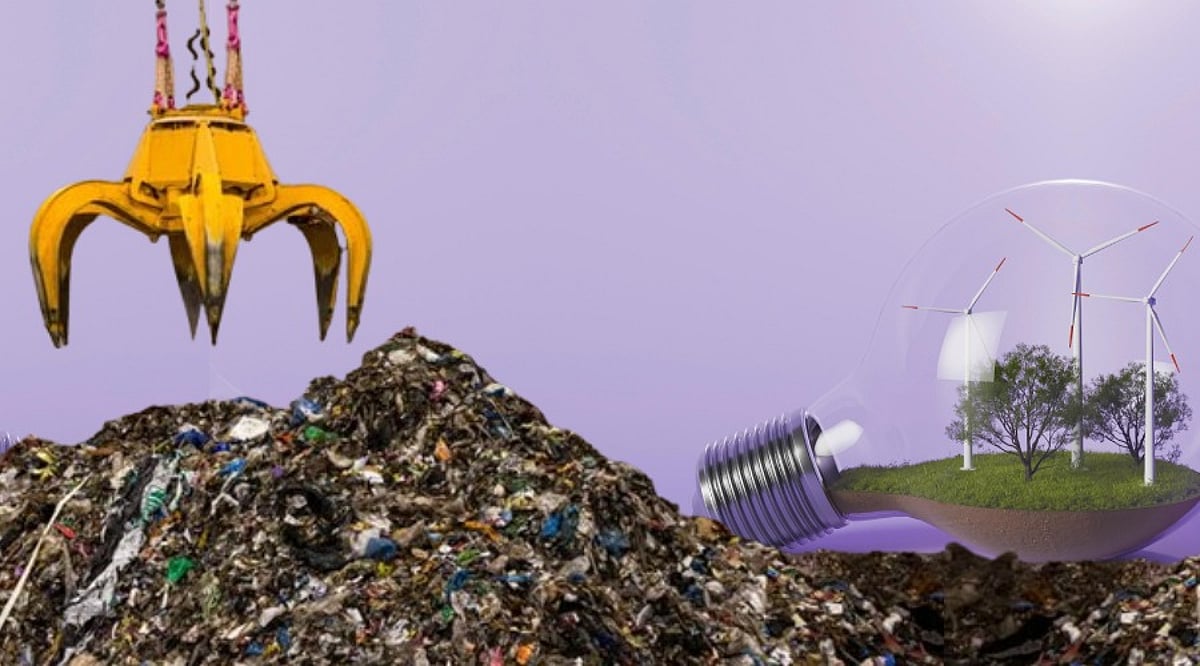
Waste-to-energy (WtE) technology is rapidly transforming the way nations handle non-recyclable waste, converting it into electricity, heat, or fuel while drastically reducing reliance on landfills. Countries such as China, Sweden, Denmark, Japan, Singapore, Germany, and the Netherlands are at the forefront, leveraging advanced technologies, efficient systems, and sustainable policies to lead the global shift.
Key Takeaways
- China operates the world’s largest waste-to-energy network, generating immense electricity capacity.
- Sweden and Denmark integrate waste-to-energy with district heating, optimizing clean energy production.
- Innovations in incineration, gasification, and carbon capture are making WtE cleaner and more efficient.
China: The Undisputed Market Leader
China has built the world’s biggest waste-to-energy industry in just over a decade, driven by rapid urbanization and strict government policies. Electricity production from WtE surged from 5 TWh in 2010 to approximately 120 TWh in 2023, while annual waste treatment capacity expanded from 14 million to 327 million tonnes. Today, China operates more than 1,000 waste-to-energy plants—over half of the global total.
Sweden: From Waste to Resource
Sweden’s waste management system is among the most efficient globally. Approximately 50% of household waste is converted into electricity and district heating. Swedish plants are so efficient that the country imports about 800,000 tonnes of waste annually from neighboring nations to keep facilities operating at full capacity, all while maintaining low emissions through advanced pollution control.
Denmark: Urban Integration and Clean Energy
Denmark has embedded waste-to-energy into urban life, with modern facilities supplying both electricity and district heating to surrounding areas. The iconic Amager Bakke facility in Copenhagen not only generates energy but also features a public park on its roof, exemplifying how industrial structures can blend with cityscapes. Denmark continues to invest in carbon capture and more efficient waste treatment technologies.
Japan: High Tech, High Standards
With limited landfill space, Japan relies heavily on WtE. The country uses highly efficient combustion technology to maximize electricity output while minimizing harmful emissions. Strict environmental laws ensure every plant meets rigorous air quality standards.
Singapore: Smart Waste Management in a Tiny Island
Singapore faces severe land shortages, making efficient waste management a national priority. Most non-recyclable municipal waste passes through modern incineration plants, reducing volume by nearly 90% and significantly extending the life of the offshore Semakau Landfill.
Germany and the Netherlands: Circular Economy Champions
Both countries combine high recycling rates with effective waste-to-energy solutions. They prioritize recycling and composting, then send only non-recyclable waste to energy recovery. Europe’s approximately 500 WtE facilities process nearly 100 million tonnes of waste annually, generating heat and electricity while diverting waste from landfills. Germany and the Netherlands are advancing sorting technologies, carbon capture, and energy efficiency.
Why This Matters
Mounting waste volumes make traditional landfills unsustainable. Waste-to-energy technology cuts garbage volume by 90% while producing clean electricity and heat. According to the World Bank, about 20% of global waste is incinerated, while recycling, composting, and anaerobic digestion account for another 21%.
Future Outlook
Urban growth will continue to increase waste generation, requiring WtE capacity to expand. Emerging technologies such as AI-driven operations, carbon capture, and advanced pollution controls will make new plants cleaner and more productive. Countries like China, Sweden, Denmark, Japan, Singapore, Germany, and the Netherlands have demonstrated that it is possible to slash landfill use and generate usable energy simultaneously.
Frequently Asked Questions
What is waste-to-energy?
Waste-to-energy is the process of converting non-recyclable waste into electricity, heat, or fuel using technologies like incineration, gasification, pyrolysis, and anaerobic digestion.
Why is waste-to-energy important?
It reduces landfill dependence, lowers pollution from open dumping, recovers energy from waste, and supports more sustainable waste management.
Which country leads globally?
China is the global leader, operating over 1,000 waste-to-energy plants and accounting for more than half of the world’s waste incineration capacity.
Does waste-to-energy replace recycling?
No. The best practice is to recycle and compost first; only non-recyclable waste should be sent to WtE facilities.
What is the future of waste-to-energy?
The future includes AI-driven operations, carbon capture technologies, advanced emission controls, and more efficient energy recovery to make plants cleaner and more productive.
Leave a Reply