
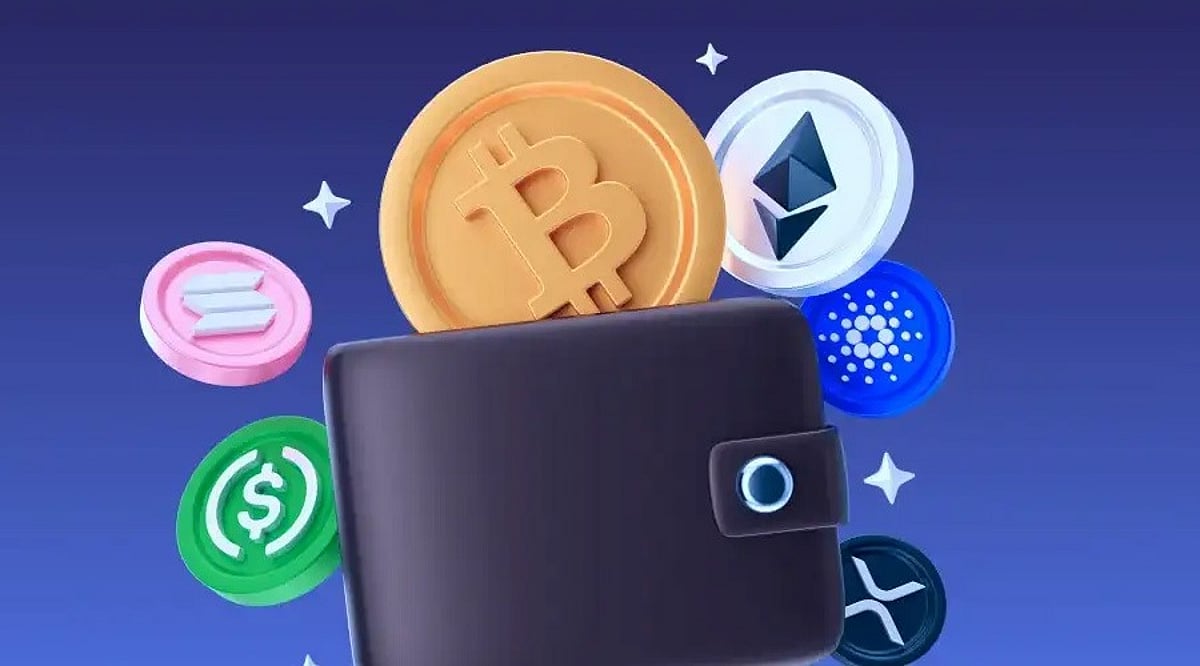
Crypto wallets are moving beyond simple storage. BloFin Wallet now combines perpetual futures, yield products, and a Visa payment card, reflecting growing demand for platforms that unite self-custody, trading, earnings, and daily spending in one interface.
BloFin Extends Wallet Services Beyond Storage
Users can trade perpetual contracts linked to more than 100 digital and traditional financial assets through BloFin Wallet, eliminating the need for a separate derivatives exchange. The wallet maintains user control through self-custody, while its yield products allow asset storage and earnings within the same environment.
BloFin’s Visa card connects supported digital assets with everyday retail payments. It works wherever Visa is accepted and supports both Apple Pay and Google Pay.
Together, these services cover four common activities: storing, trading, earning, and spending. This structure reduces the number of applications required to manage a digital asset portfolio.
Crypto Platforms Target a Unified User Experience
Historically, crypto users relied on separate services for storage, trading, lending, and payments, often moving assets repeatedly between wallets, exchanges, and DeFi protocols. Each transfer added network fees, settlement time, and security considerations. It also created more steps for users moving from market activity to savings or spending.
Now, exchanges and wallet providers combine spot trading, derivatives, staking, lending, payment services, and DeFi access. Some platforms include tokenized financial products. The sector’s current direction centers on reducing fragmentation through integrated services, responding to demand for smoother financial tools rather than isolated applications.
Payments and Capital Efficiency Shape Competition
Unified platforms can improve capital efficiency because users keep assets within one environment. They can trade, seek yield, or make purchases without repeated blockchain transfers. This approach reduces operational friction, as funds remain available for different uses without moving through several networks and service providers.
Payment cards extend crypto services beyond market activity and long-term holding. Visa and Mastercard partnerships connect digital asset balances with established payment networks and retail systems. Stablecoins may support this connection by reducing price volatility during payments, and their blockchain settlement features fit platforms combining digital assets with daily transactions.
Meanwhile, wallet providers continue expanding into derivatives, DeFi, and tokenized assets. Competition now centers on which platforms can offer the smoothest digital asset lifecycle through one interface.
Conclusion
Crypto wallet providers are combining self-custody, perpetual futures, yield products, and payment cards to reduce transfers between services. BloFin Wallet reflects this shift through integrated trading and Visa spending. Users now face a market where platforms compete across the full digital asset lifecycle.
Leave a Reply