Tag: Apple

  • iPhone Air 2 Rumored for 2027: 48MP Dual Cameras, A20 Pro Chip, and Bigger Battery

    iPhone Air 2 Rumored for 2027: 48MP Dual Cameras, A20 Pro Chip, and Bigger Battery

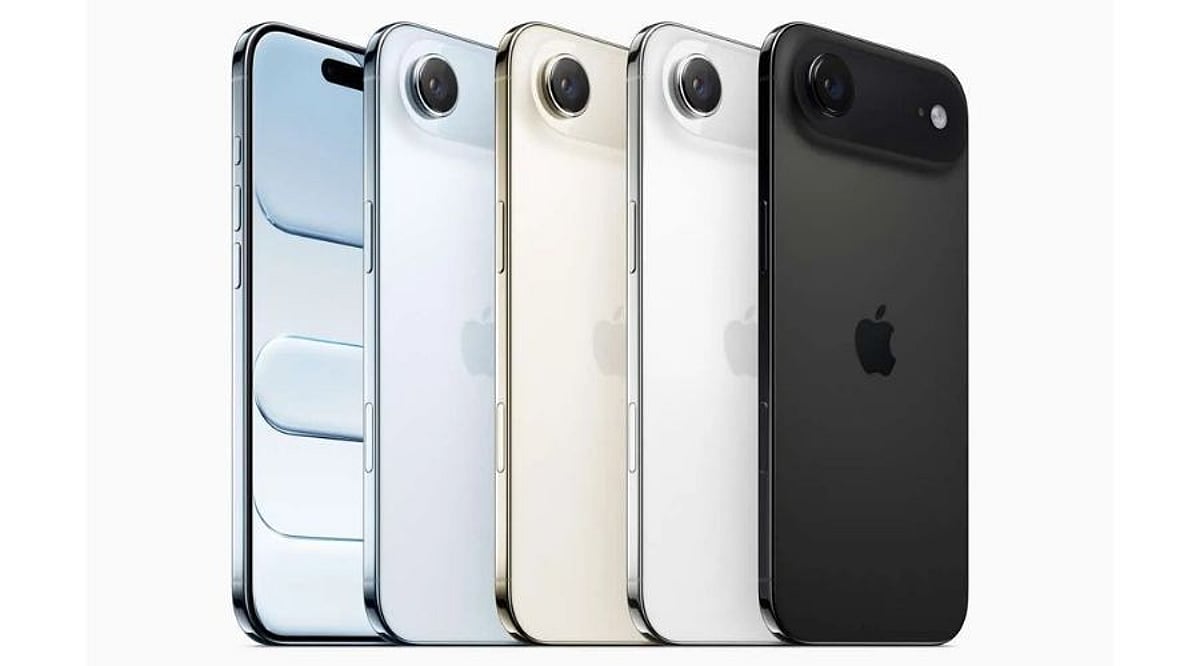
    Apple is reportedly planning to launch the iPhone Air 2 in early 2027, bringing significant upgrades to the camera system and battery life. According to GF Securities analyst Jeff Pu, the device will feature a dual-camera setup with a 48-megapixel main sensor and a new 48-megapixel ultrawide lens, offering a 0.5x field of view for wider shots. This would mark a major improvement over the current iPhone Air, which uses a single rear camera.

    Other expected changes include a smaller Dynamic Island, an A20 Pro chip built on TSMC’s N2 process, an N2 wireless chip, and a C2 modem. The A20 Pro could deliver 10–15% faster performance at the same power or reduce power consumption by 25–30% compared to the N3E process, potentially improving battery life. Pu also suggests the battery capacity may rise from 3,149mAh to around 3,500mAh, an 11% increase.

    Additional features likely include an 18-megapixel Center Stage front camera and 12GB of RAM. The iPhone Air 2 is expected to retain a 6.5-inch display and maintain the thin, lightweight design of its predecessor. The launch is rumored for spring 2027, possibly alongside the iPhone 18 and iPhone 18e.

    Apple has not officially confirmed these details, and final specifications may change. The company faces engineering challenges in fitting a second camera and new chips while preserving battery space.

  • Tim Cook’s 2020 Warning on Facebook Tracking Paved the Way for Apple’s App Tracking Transparency

    Tim Cook’s 2020 Warning on Facebook Tracking Paved the Way for Apple’s App Tracking Transparency

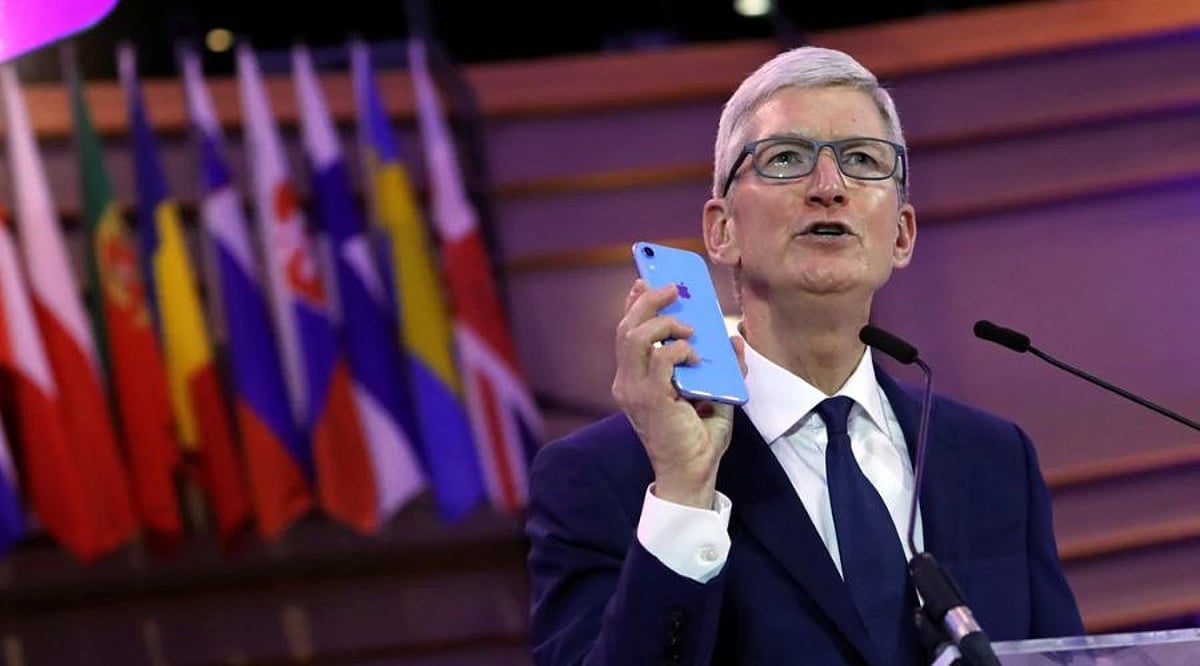
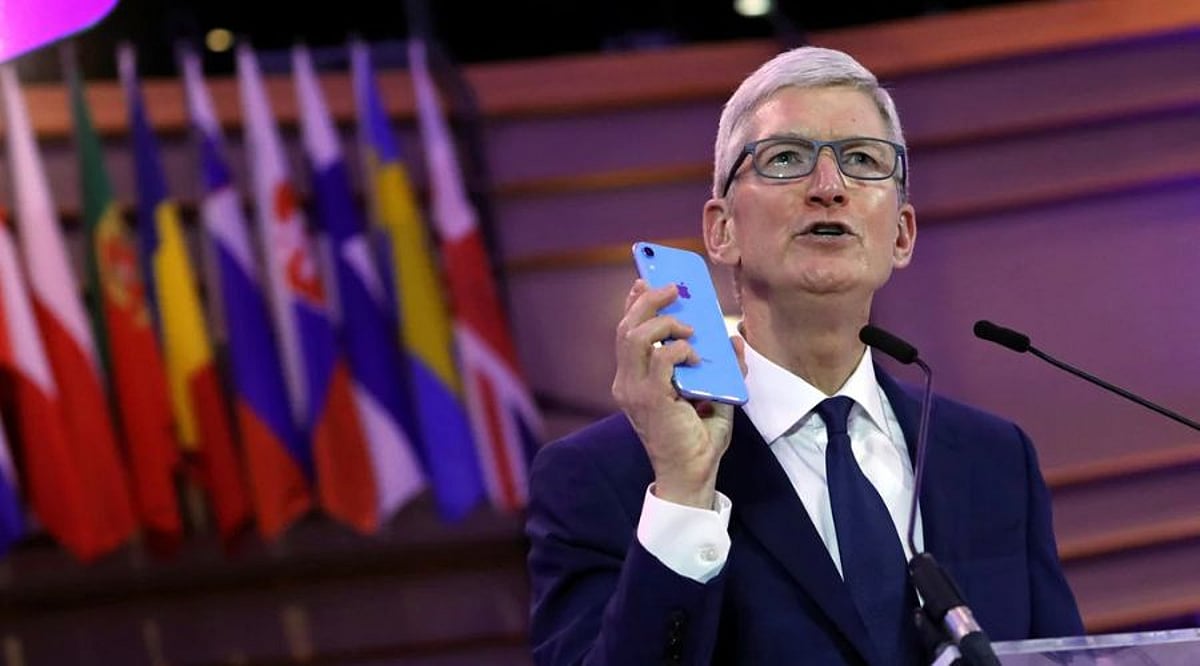
    In December 2020, Apple CEO Tim Cook issued a stark warning to iPhone users regarding Facebook’s ability to track their activity across apps and websites. The warning came as Facebook criticized Apple’s upcoming privacy rules, which would require apps to request user permission before collecting data across other companies’ services.

    Cook took to Twitter (now X) to defend Apple’s privacy-first approach, stating: “We believe users should have the choice over the data that is being collected about them and how it’s used. Facebook can continue to track users across apps and websites as before; App Tracking Transparency in iOS 14 will just require that they ask for your permission first.”

    Apple later introduced App Tracking Transparency (ATT) with the release of iOS 14.5 in April 2021. This feature fundamentally changed how apps collect data for advertising and measurement across external services. Apps must now display a tracking permission prompt before accessing the device’s advertising identifier or using other covered tracking methods. Users who select “Ask App Not to Track” prevent the app from accessing the identifier, and they can later adjust their preferences in iPhone privacy settings.

    The policy ignited a major conflict between Apple and Meta, Facebook’s parent company. Meta argued that Apple’s rules could harm businesses relying on personalized advertising, later estimating a roughly $10 billion financial impact from the privacy changes.

    Cook’s 2020 statement became a pivotal moment in Apple’s broader privacy campaign. While Apple framed tracking permission as a matter of user choice, Meta viewed it as a threat to targeted advertising. The debate continues to shape mobile advertising privacy regulations worldwide.

  • How Tim Cook’s 2020 Warning About Facebook Tracking Changed iPhone Privacy

    How Tim Cook’s 2020 Warning About Facebook Tracking Changed iPhone Privacy

    In December 2020, Apple CEO Tim Cook issued a stark warning to iPhone users about Facebook’s ability to track their activity across apps and websites. The warning came as Facebook publicly criticized Apple’s planned privacy rules for iPhones, setting the stage for a major clash between the two tech giants.

    Cook explained that Apple’s upcoming App Tracking Transparency system would not completely stop tracking. Instead, it would require apps to ask for explicit permission before tracking users across other companies’ apps and websites. He shared his message on Twitter (now X), writing: “We believe users should have the choice over the data that is being collected about them and how it’s used. Facebook can continue to track users across apps and websites as before; App Tracking Transparency in iOS 14 will just require that they ask for your permission first.”

    Apple delivered on that promise with the release of iOS 14.5 in April 2021. The App Tracking Transparency feature fundamentally changed how apps collect data for advertising and measurement. Apps now must display a tracking permission request before accessing the device’s advertising identifier or using other covered tracking methods. Users who select “Ask App Not to Track” prevent the app from accessing that identifier, and permissions can be adjusted later through iPhone privacy settings.

    The policy sparked a fierce dispute between Apple and Meta, Facebook’s parent company. Meta argued that the rules would hurt businesses reliant on personalized advertising, later estimating a roughly $10 billion impact on its revenue from Apple’s privacy changes. Cook’s 2020 statement became a defining moment in Apple’s broader privacy campaign, framing tracking permission as a user choice while Meta viewed it as a threat to targeted advertising. The debate continues to shape mobile advertising privacy rules worldwide.

  • Wall Street Rises as Amazon’s Cloud Surge Offsets Apple’s Weak Outlook After Earnings

    Wall Street Rises as Amazon’s Cloud Surge Offsets Apple’s Weak Outlook After Earnings

    US stocks moved higher on Friday as Amazon and semiconductor shares supported a second day of gains on Wall Street. The Nasdaq led the advance, while Apple’s sharp decline limited the broader technology rebound.

    The session followed several days of sharp market swings. Investors tracked technology earnings, Federal Reserve policy, higher oil prices, and tensions involving Iran. Markets also assessed whether cloud revenue could support heavy artificial intelligence spending.

    Wall Street Opens Higher on Tech Strength

    The Nasdaq Composite gained 0.87% at the opening bell and reached 25,340.71. The S&P 500 added 0.33% to 7,462.13. Meanwhile, the Dow Jones Industrial Average rose 0.05% to 52,235.03. Amazon’s earnings rally provided the main support for the technology-heavy Nasdaq.

    Semiconductor shares also extended Thursday’s rebound. Micron and AMD ranked among the stronger chip stocks during early trading. Microsoft had already lifted the technology sector on Thursday after reporting stronger Azure cloud growth. Its results eased some concerns about large AI infrastructure budgets.

    Amazon Rallies After Faster AWS Growth

    Amazon shares climbed about 13% during Friday’s early session. The company reported second-quarter revenue of $200.6 billion. Amazon Web Services sales rose 37% from one year earlier to $42.2 billion. That marked the cloud division’s fastest growth in 18 quarters.

    The cloud result supported Amazon’s spending plans. Amazon raised its projected 2026 capital expenditure to $220 billion from $200 billion. The company plans to direct much of that money toward data centres, chips, robotics, and other technology. Amazon also reported demand that exceeded its available computing capacity.

    Apple Drops After Weak Sales Forecast

    Apple shares fell almost 9% despite beating quarterly profit and revenue forecasts. Fiscal third-quarter revenue increased 16% to $109.42 billion. Net income reached $29.79 billion, while earnings rose to $2.02 per share. Strong iPhone and Mac sales supported the quarter.

    However, Apple forecast revenue growth of 9% to 11% for the current quarter. Analysts had expected growth of about 12%. Apple cited supply limits tied to advanced chips and memory components. Services revenue rose 12% to $30.7 billion but missed the $31.4 billion analyst estimate.

    Labor Costs Add to Rate Questions

    Meanwhile, the Employment Cost Index rose 0.9% during the second quarter. Wages and salaries increased 0.9%, while benefit costs rose 1%. Compensation costs increased 3.4% during the 12 months ending in June.

    The quarterly increase came in slightly above the 0.8% market estimate. Treasury yields moved higher after the report as traders reviewed the outlook for interest rates. The data followed another week of debate over inflation, labor costs, oil prices, and future Federal Reserve decisions.

    Equity Funds Return to US Stocks

    Investors added a net $11.83 billion to US equity funds during the week ending July 29. The inflow ended two straight weeks of withdrawals. Large-cap funds attracted $11.57 billion, their strongest weekly net purchase since June 24.

    Technology funds received $4.9 billion, while financial funds added $1.96 billion. Mid-cap funds recorded $2.29 billion in outflows. Small-cap funds lost $196 million. UBS investment chief Mark Haefele said, “We remain constructive on the AI growth story.”

    Texas Stock Exchange Completes Rollout

    The Texas Stock Exchange expanded trading to all National Market System securities on Friday. The Dallas-based exchange started live trading in a small group of securities on July 10. It then added thousands of symbols through a staged rollout during July.

    TXSE now competes for trading activity with established Wall Street venues, including Nasdaq and the New York Stock Exchange. The exchange operates premarket, regular, and post-market sessions. It plans to start exchange-traded product listings in September and corporate listings in October.

    Disclaimer: This article is provided for informational purposes only and does not constitute investment advice. Readers are responsible for conducting their own research before making any investment decisions.

  • Apple’s Q3 Earnings Beat Estimates: Tim Cook Highlights AI Investments and iPhone Growth Amid Supply Concerns

    Apple’s Q3 Earnings Beat Estimates: Tim Cook Highlights AI Investments and iPhone Growth Amid Supply Concerns

    Apple reported stronger-than-expected fiscal third-quarter earnings, driven by record iPhone sales and robust Mac demand. The company posted revenue of $109.42 billion, up 16% year-over-year, and net profit of $29.79 billion. However, a cautious outlook for the upcoming quarter and ongoing supply constraints tempered investor enthusiasm, sparking discussions about Apple’s AI strategy and future growth trajectory.

    Record Quarter Powered by iPhone Demand

    iPhone sales reached an all-time high of $54.25 billion, reflecting strong global demand despite a competitive smartphone market. Mac sales surged nearly 29% as consumers responded positively to the latest product lineup. Apple described the June quarter as its best ever, with double-digit growth across most product lines and geographic regions, beating analysts’ projections by a wide margin.

    Supply Constraints Temper Growth Outlook

    Despite the strong quarter, Apple projected revenue growth of 9% to 11% for the September quarter, below market expectations. CEO Tim Cook attributed the conservative outlook to ongoing shortages of advanced memory components used in Apple-designed chips. The company is working to diversify suppliers, but executives cautioned that component availability could remain a challenge in the near term, leading to a dip in Apple’s share price after the earnings release.

    Services Slow, AI Strategy Under Scrutiny

    Apple’s services division underperformed relative to analyst expectations, generating $30.74 billion in revenue. Weakness in the App Store and growing competition in digital services weighed on the segment. The earnings report also reignited debate about Apple’s artificial intelligence strategy, with investors comparing the company’s pace of AI development to that of competitors who have made significant strides in generative AI. While Apple has rolled out AI-based features across its ecosystem, shareholders want clearer evidence of revenue potential from these investments.

    Cook Highlights Long-Term Confidence

    In what was likely one of his final earnings calls as CEO, Tim Cook reiterated that Apple’s long-term fundamentals remain strong. An expanding user base, consistent customer demand, and a robust innovation pipeline are expected to sustain the company’s competitive advantage. However, the market reaction suggests investors are increasingly focused on Apple’s ability to navigate supply disruptions while keeping pace in the rapidly evolving AI landscape. Balancing hardware growth with emerging technologies will be a central challenge as the company transitions to new leadership.

  • Top-Paying Entry-Level Retail Jobs in the United States

    Top-Paying Entry-Level Retail Jobs in the United States

    For job seekers looking to start their career in retail, certain companies stand out for offering competitive wages, growth opportunities, and strong benefits. Below is a curated list of the best entry-level retail positions that pay well across the US.

    Costco Sales Associate

    Costco is renowned for its competitive hourly wages, comprehensive benefits package, and clear advancement paths. It consistently ranks as a top employer for beginners, offering a supportive environment and long-term career potential.

    Apple Retail Specialist

    Apple provides excellent training programs, attractive compensation, and a customer-focused role that helps develop valuable communication and technical support skills. This position is ideal for those passionate about technology and service.

    Target Team Member

    Target offers competitive starting wages, flexible scheduling, employee discounts, and opportunities to move into supervisory or management roles. It’s a great choice for candidates seeking a dynamic work environment with room to grow.

    Trader Joe’s Crew Member

    Trader Joe’s pays above-average wages for retail, fosters a supportive work culture, and offers flexible schedules. Employees gain strong customer service experience that can be leveraged for future career development.

    Aldi Store Associate

    Aldi pays higher-than-average retail wages while providing structured training, performance incentives, and rapid career progression. The company values efficiency and rewards hard work.

    Whole Foods Team Member

    Whole Foods Market offers competitive pay, employee discounts, and hands-on experience in premium grocery retail. Team members focus on customer service and quality, making it a rewarding entry-level opportunity.

    Best Buy Sales Advisor

    At Best Buy, sales advisors learn about consumer electronics while earning competitive wages and sales incentives. The role provides valuable technical knowledge and experience in a fast-paced retail environment.

    Nordstrom Retail Sales Associate

    Nordstrom rewards exceptional customer service through commissions and competitive compensation. This role offers long-term career growth in a high-end retail setting, perfect for those passionate about fashion and client relations.

    REI Sales Specialist

    REI appeals to outdoor enthusiasts with competitive pay, employee gear discounts, and engaging customer interactions. Sales specialists promote adventure and sustainable lifestyles while building retail expertise.

    These entry-level positions not only provide solid pay but also serve as stepping stones to rewarding careers in retail and beyond. For more career insights, stay tuned to our updates.

  • iPhone 16 Price Drops Below Rs. 60,000 on Flipkart: Limited-Time Deal with Bank Discounts

    iPhone 16 Price Drops Below Rs. 60,000 on Flipkart: Limited-Time Deal with Bank Discounts

    Flipkart has slashed the price of the Apple iPhone 16 to under Rs. 60,000 ahead of its Freedom Sale, offering a combination of direct discounts, bank offers, exchange benefits, and EMI options. This makes it one of the most attractive deals on the latest iPhone model in recent months.

    The iPhone 16, originally priced at Rs. 69,900, is now available for Rs. 64,900 on Flipkart. Buyers using eligible Axis Bank or SBI credit cards can receive an additional discount of up to Rs. 5,145, bringing the effective price down to approximately Rs. 59,755. The platform also accepts old smartphones under its exchange program, with the value depending on the device’s model, condition, and working status.

    Key Features of the Apple iPhone 16

    The iPhone 16 features a 6.1-inch Super Retina XDR OLED display protected by Ceramic Shield. It includes the Action Button and the new Camera Control button for enhanced user interaction. Powered by Apple’s A18 chip and 8GB of RAM, the device is available in 128GB, 256GB, and 512GB storage options, making it suitable for everyday use, gaming, and multitasking.

    Camera and Exchange Benefits

    The camera system includes a 48MP main sensor with optical image stabilization, a 12MP ultra-wide camera with macro photography support, and a 12MP TrueDepth front camera for selfies, Face ID, and 4K video recording. By stacking the ongoing discount with eligible card benefits and the exchange value, buyers can achieve even greater savings.

    This limited-time deal is expected to be short-lived, so interested buyers are encouraged to act quickly. For more details, visit Flipkart’s website or join their WhatsApp channel for the latest updates.

  • Today’s Tech Roundup: Meta’s Privacy Challenge, Disney-Microsoft Deal, Apple’s Growth, and the AI Arms Race

    Today’s Tech Roundup: Meta’s Privacy Challenge, Disney-Microsoft Deal, Apple’s Growth, and the AI Arms Race

    Today’s top tech stories cover Zuckerberg’s Apple privacy concerns, Disney’s Microsoft shift, Apple’s strong quarter outlook, and the growing AI competition among tech giants.

    Mark Zuckerberg’s Meta is facing a new challenge as Apple tightens its privacy policies, impacting Meta’s advertising revenue. Meanwhile, Disney has made a strategic shift by partnering with Microsoft for cloud and AI services, signaling a major move in the entertainment-tech landscape.

    Apple continues to show strong growth with a promising quarterly outlook, driven by robust iPhone sales and expanding services. The AI race among tech giants is heating up, with companies like Google, Microsoft, and Meta investing heavily in generative AI and large language models.

    Stay tuned for more updates on these developing stories.

  • Apple Hits $5 Trillion Market Cap, Becoming Second Company to Reach the Milestone

    Apple Hits $5 Trillion Market Cap, Becoming Second Company to Reach the Milestone

    Apple has crossed the $5 trillion market value mark after a steady rise in its share price, becoming only the second company to reach the historic milestone. The iPhone maker’s market capitalization surged past the $5 trillion threshold, making it the world’s most valuable company, surpassing NVIDIA.

    The jump came after Apple’s shares rose 0.2 percent to $337.7, bringing its market capitalization to $4.96 trillion. With a session high of $342.89, Apple’s market value stood at $5.036 trillion. Including session gains, Apple stock has jumped 24% so far this year, outperforming the other six of the ‘Magnificent 7,’ which include Microsoft, Amazon, Alphabet, Meta Platforms, Tesla, and Nvidia.

    Apple is ready to report its third-quarter earnings after the market close on Thursday. Analysts expect the company will jump more than 15% from the previous year.

    Staying on top will be the real test. The Cupertino-based tech giant has struggled for years to build its own AI models. More recently, Google has used its technology to roll out new services, such as a revamped Siri, that have saved it from the massive infrastructure spending that tech investors so often fear. Dipanjan Chatterjee, vice president and principal analyst at Forrester, said, “Apple has resisted the AI spending race, betting that customer experience – not infrastructure investment – will ultimately determine the winners.”

  • Bitcoin Drops to $63K as Crypto Market Loses $80B; Apple Hit With $1.8M Lawsuit Over Fake Sparrow Wallet Apps

    Bitcoin Drops to $63K as Crypto Market Loses $80B; Apple Hit With $1.8M Lawsuit Over Fake Sparrow Wallet Apps

    Bitcoin fell to $63,000 on Monday after a brief rally failed, wiping $80 billion from the cryptocurrency market and triggering approximately $700 million in liquidations. Ethereum dropped below $1,900, while several major altcoins recorded steeper losses. In a separate development, three users have filed a federal lawsuit against Apple, alleging that fake Sparrow Wallet applications on the App Store led to losses of about $1.835 million in Bitcoin.

    Bitcoin Reverses Monday Rally

    Bitcoin entered Monday after a volatile week that saw it climb from $63,750 to a monthly peak of $67,000 within 36 hours. Sellers blocked further gains at that level, pushing the asset down to $64,750 on Wednesday and $63,750 by Friday.

    Weekend trading brought calmer conditions and a recovery toward $64,000. News of de-escalation in Middle Eastern conflicts then lifted Bitcoin to $65,600 twice on Monday, marking its highest price since Friday. However, the advance ended quickly as sellers drove Bitcoin down nearly $3,000 within hours. It touched $63,000 for the first time in 10 days, then recovered slightly to $63,400. Bitcoin remained 3% lower for the day, while its market value fell to $1.720 trillion. Its market dominance stayed below 57%, according to the figures provided.

    Ethereum also surrendered Monday’s gains after reaching a two-month high of $1,980. A 4.2% daily decline pulled it about $100 lower. XRP and Solana posted similar losses, while HYPE fell 8% to $55. Zcash, Chainlink, Stellar, and Cardano also traded sharply lower.

    Audiera’s BEAT led the declines with a 25% fall to $2.74. NEAR dropped 10%, while Shiba Inu and Pi each lost 9%. The total crypto market value declined from $2.330 trillion to $2.250 trillion in one day, removing about $80 billion from the market.

    Apple Faces Sparrow Wallet Lawsuit

    Three users filed a 54-page federal complaint against Apple on July 24 in California’s Northern District. They allege that fraudulent Sparrow Wallet applications reached the App Store and caused approximately $1.835 million in Bitcoin losses.

    James Ramirez, Christopher Ellis, and Jalen Delgado brought the case under docket number 5:26-cv-07713. The public docket lists the complaint, a civil cover sheet, and an unexecuted summons. No judge has yet ruled on Apple’s responsibility for the alleged thefts, and the users’ claims remain untested in court.

    Apple says it quickly removed the impersonating applications and terminated the developer accounts tied to them. The company had not filed a public response in the case. The complaint states that Delgado downloaded a spoof application around May 1, 2025, and lost about $120,000. Ramirez allegedly lost 7.4 BTC, valued near $875,000, after downloading another application on July 25. Ellis allegedly lost about $840,000 after using similar software around August 3.

    Each user says the application requested a wallet seed phrase before moving Bitcoin to attacker-controlled addresses. Sparrow’s official website lists desktop downloads for macOS, Windows, and Linux. It currently offers no iOS application.

    The case now raises a pivotal question: how much responsibility does an app store carry when a fake wallet reaches users? Entering a recovery phrase into malicious software gives attackers full control of the connected wallet.

    Key Takeaways

    • Bitcoin’s failed Monday rally erased $80 billion from the crypto market and pushed Ethereum below $1,900.
    • Apple faces allegations that fake Sparrow Wallet apps caused $1.835 million in Bitcoin losses.
    • Users should always verify official wallet platforms before entering recovery phrases or seed words.