Tag: Apple

  • Wall Street on Edge: Fed Decision, Inflation Data, and Big Tech Earnings Set for Volatile Week

    Wall Street on Edge: Fed Decision, Inflation Data, and Big Tech Earnings Set for Volatile Week

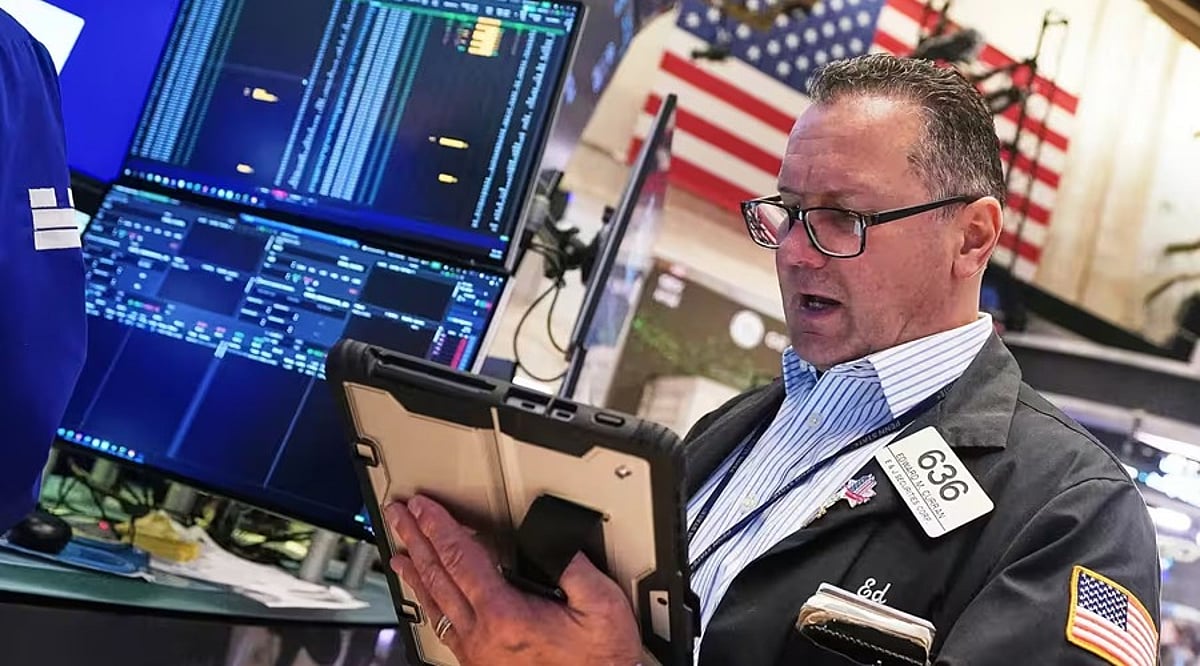
    Global markets are bracing for a turbulent 72-hour period as a wave of major events—including a Federal Reserve decision, key inflation data, GDP figures, and earnings from tech giants Microsoft, Meta, Apple, and Amazon—converge on the calendar. The sequence kicks off with consumer confidence data, followed by the Fed’s policy announcement, economic growth and inflation reports, and a flurry of earnings from four of the largest companies in the S&P 500. Traders are poised for sharp moves across stocks, bonds, currencies, and cryptocurrencies as each release could shift expectations for the next Fed meeting.

    Fed Decision Takes Center Stage

    Tuesday’s Conference Board consumer confidence report provides an early gauge of household demand. A weak reading may signal slower spending, while a stronger figure could reinforce the view that the economy can handle higher borrowing costs. Consumer spending drives the bulk of U.S. economic activity, making this data a key precursor to the Fed’s decision.

    The Federal Reserve will announce its rate decision Wednesday after a two-day meeting. Rate futures indicate roughly a one-in-three chance of a quarter-point increase, though most economists expect the central bank to hold the federal funds rate at 3.50% to 3.75%. Markets will scrutinize Chairman Kevin Warsh’s remarks for hints about September and any signs of policy division. A surprise hike would likely lift short-term yields and the dollar while pressuring rate-sensitive equities. Even a hold could spark volatility if the statement signals another increase is imminent. Investors will also watch the number of dissenting officials.

    PCE and GDP Data Drop on Thursday

    Thursday brings a double dose of economic data: the advance estimate for second-quarter GDP and the June personal income and outlays report, which includes the Personal Consumption Expenditures (PCE) price index—the Fed’s preferred inflation gauge. Both releases are scheduled for 8:30 a.m. Eastern Time.

    GDP data will reveal whether consumer demand and business investment sustained economic growth during the quarter. Forecasts generally point to annualized growth above 2%, though estimates vary. A stronger reading could buoy risk assets but may also strengthen the case for tighter policy if inflation remains elevated. The PCE figures may carry more weight for rate expectations. Softer monthly and annual readings would support the view that price pressures are easing, while firm core inflation could reignite concerns about the need for another rate increase. The worst-case scenario for markets would be weak GDP combined with stubborn inflation.

    Big Tech Earnings Add Pressure

    Microsoft and Meta report after Wednesday’s closing bell. Microsoft investors will focus on Azure growth, AI demand, and capital spending. Meta’s report will draw attention to advertising revenue, user activity, and the cost of expanding its AI infrastructure. Both companies have the power to influence broader tech valuations.

    Apple and Amazon follow after Thursday’s close. Apple’s iPhone demand, services sales, and AI plans will shape expectations for its next quarter. Amazon Web Services growth will indicate the pace of corporate cloud spending, while retail margins and delivery costs will impact Amazon’s broader results. Together, these four companies represent a significant portion of the S&P 500, and their guidance could move index futures even if headline earnings beat forecasts.

    Weekend Sentiment Check

    Friday’s final University of Michigan sentiment reading closes the seven-event stretch. Inflation expectations will be closely watched to see if the preliminary July improvement survived later changes in fuel prices, financial markets, and household views nationwide.
  • Apple iPhone Shipments in India See First Quarterly Decline in Over Four Years Amid Chip Shortage

    Apple iPhone Shipments in India See First Quarterly Decline in Over Four Years Amid Chip Shortage

    Apple has recorded its first decline in iPhone shipments in India in more than four years, according to a new market report. Shipments fell by 3% year-on-year in the April to June quarter of 2026, a sharp reversal from the 12% growth seen at the start of the year.

    The drop is primarily attributed to a shortage of memory chips, which has constrained Apple’s ability to supply new devices. CEO Tim Cook described the supply disruption as a “hundred-year flood,” calling it one of the biggest challenges he has faced during his decades at Apple. Analysts note that customer demand remains steady, but the company has not been able to ship enough phones to meet it.

    India’s overall smartphone market contracted 10% year-on-year in the second quarter, one of the steepest declines in the last six years. In that context, Apple’s 3% decline appears relatively mild.

    Other Smartphone Brands’ Performance in Q2 2026

    Not all brands faced similar headwinds. Samsung’s shipments grew by 2% in the same quarter, while the fastest-growing smartphone brand in India was Nothing, which posted a remarkable 105% growth. Xiaomi, however, struggled with continuously rising prices in the Indian market. Its wider range of devices helped it gain popularity, but higher prices made competition more challenging.

    What Comes Next for Apple?

    The latest shipment drop does not indicate waning demand for iPhones. Rather, it highlights that higher component costs and supply issues are making it harder for Apple to maintain adequate stock in the market. If memory chip prices remain elevated, Apple may adjust its inventory management strategy in India and could review its pricing for future models. Even so, India remains one of Apple’s key markets, and the company is expected to continue investing in the country as demand grows.

  • Top Camera Phones in India (2026): Expert Picks for Portraits, Low-Light, and All-Round Photography

    Top Camera Phones in India (2026): Expert Picks for Portraits, Low-Light, and All-Round Photography

    The smartphone camera market in India continues to evolve rapidly, and 2026 brings a fresh lineup of devices that push the boundaries of mobile photography. From flagship models with professional-grade features to AI-enhanced shooters that make every shot look stunning, here are the best camera phones available in India this year.

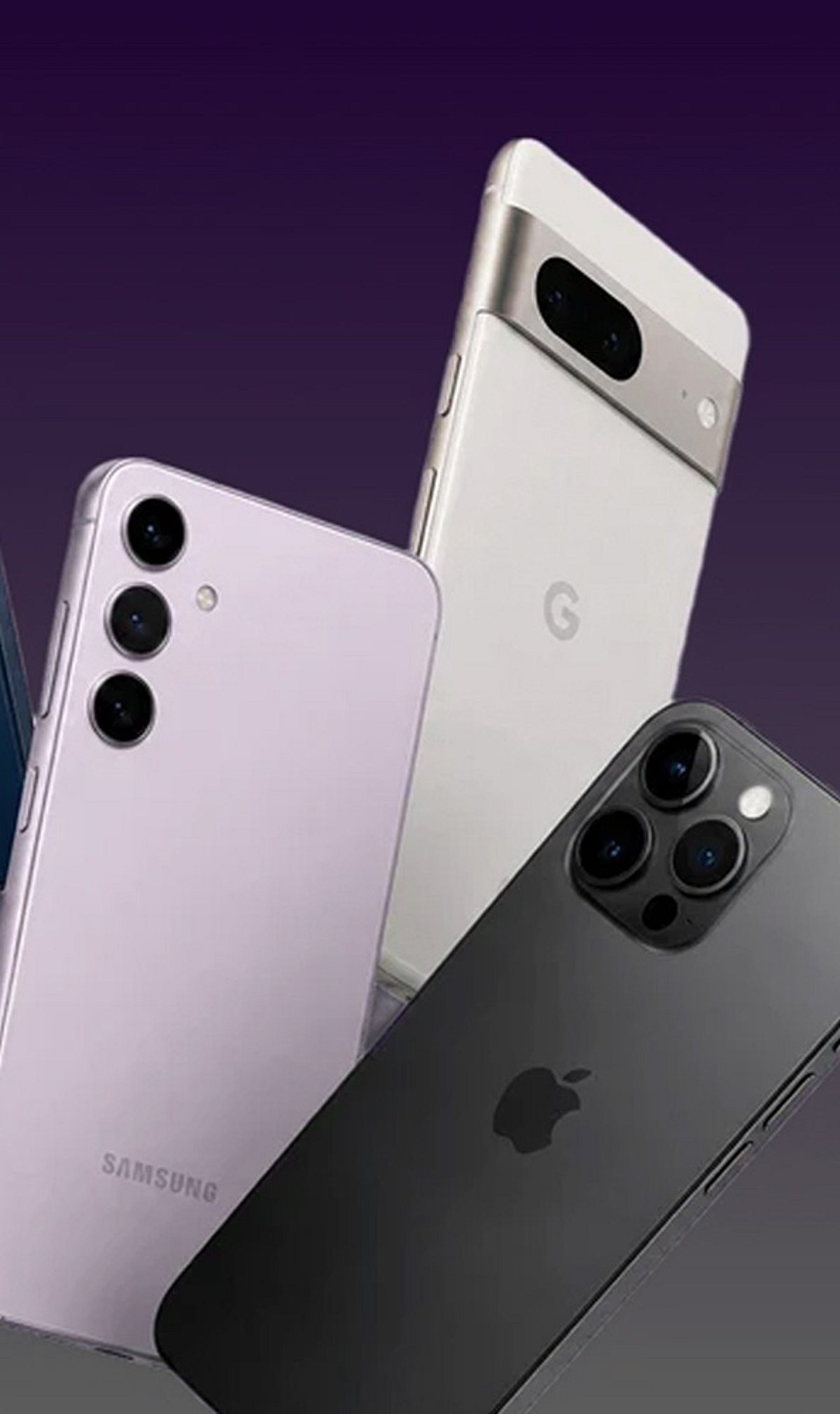
    Apple iPhone 18 Pro Max

    Apple’s latest flagship delivers outstanding overall photography with excellent video recording, natural colors, and reliable autofocus. Its strong low-light performance and premium consistency make it a top choice for users who want a dependable camera in every situation.

    Samsung Galaxy S26 Ultra

    Samsung’s flagship features versatile cameras with exceptional zoom capabilities, detailed images, and powerful AI enhancements. Bright night photography and professional-level shooting flexibility make it a daily workhorse for photography enthusiasts.

    Google Pixel 11 Pro XL

    Google continues to lead in computational photography with the Pixel 11 Pro XL. It produces stunning images with accurate skin tones, balanced HDR, impressive low-light shots, and an effortless point-and-shoot experience that consistently delivers great results.

    Xiaomi 16 Ultra

    Leica-tuned cameras on the Xiaomi 16 Ultra deliver rich colors, excellent dynamic range, and detailed portraits. Powerful zoom performance and impressive manual photography controls cater to enthusiasts who want full creative control.

    vivo X300 Pro

    The vivo X300 Pro excels in portrait photography with premium optics, natural background blur, and realistic facial details. Vibrant colors and dependable performance across various lighting conditions make it a strong contender for portrait lovers.

    OPPO Find X9 Pro

    OPPO’s flagship offers balanced imaging with excellent stabilization, crisp daylight photos, an improved night mode, fast autofocus, and strong video recording capabilities. It is a well-rounded performer for everyday photography.

    HONOR Magic 9 Pro

    HONOR impresses with AI-powered camera processing that delivers sharp image quality, vibrant colors, and dependable low-light performance. Consistent results across multiple photography modes make it a reliable choice.

    OnePlus 15 Pro

    Hasselblad-tuned cameras on the OnePlus 15 Pro capture detailed landscapes, attractive portraits, and natural color science. Reliable autofocus and smooth 4K video recording make it a great companion for everyday creators.

    Sony Xperia 1 VIII

    Perfect for photography enthusiasts, the Sony Xperia 1 VIII offers manual controls, professional shooting features, excellent color accuracy, fast autofocus, and creator-focused customization options. It is designed for those who demand precision and flexibility in their mobile photography.

    These top camera phones in India for 2026 represent the best in mobile imaging, covering everything from portraits and low-light performance to all-round flagship excellence. Whether you are a casual shooter or a dedicated photographer, there is a device here to elevate your photography game.

  • Report: Apple Smart Glasses to Launch in 2027 With Privacy as Key Selling Point

    Report: Apple Smart Glasses to Launch in 2027 With Privacy as Key Selling Point

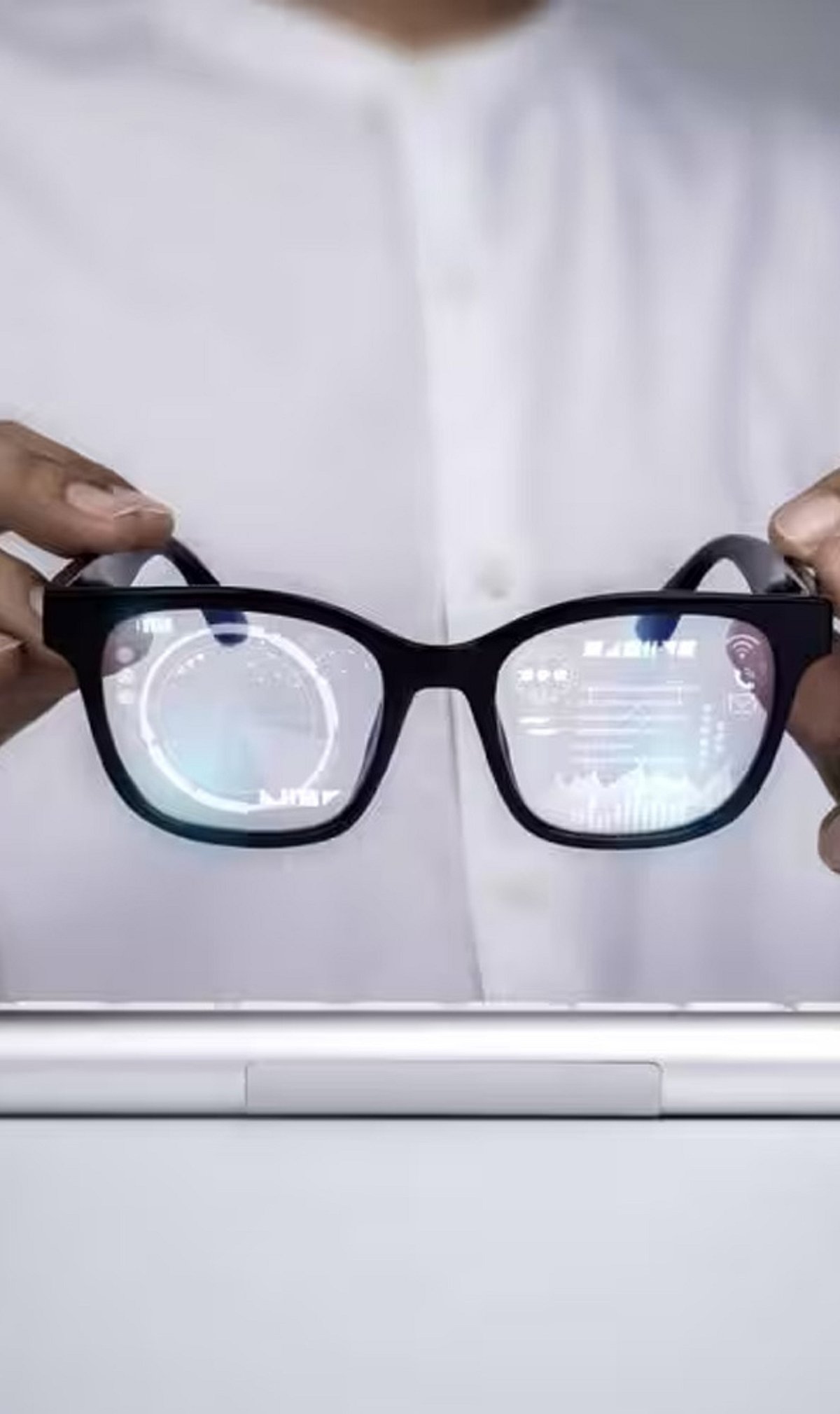
    According to a new report, Apple is planning to enter the smart glasses market in 2027 with a device that combines augmented reality, artificial intelligence, and deep ecosystem integration — all while making user privacy a central feature.

    The forthcoming Apple Smart Glasses are expected to be lightweight and stylish, designed for everyday wearable computing. Unlike many current smart glasses that collect extensive user data, Apple’s approach reportedly prioritizes secure on-device processing, minimal data collection, and transparent user controls.

    Built-in artificial intelligence could provide contextual assistance, real-time navigation, notifications, language translation, and personalized recommendations — all while maintaining responsive performance suitable for daily use.

    Display technology is likely to overlay digital information without obstructing the user’s natural vision, creating an immersive yet practical augmented reality experience. The glasses are expected to integrate seamlessly with the Apple ecosystem, including iPhone, Apple Watch, AirPods, and other devices, enabling synchronized experiences across hardware.

    Apple’s competitive positioning in the wearable technology market will hinge on premium design, privacy-first features, intuitive software, and polished user experience. The company aims to differentiate itself from rivals by ensuring that users have control over their data — a factor that could appeal to consumers seeking hands-free computing for navigation, communication, productivity, and entertainment.

    Industry reports indicate that Apple may unveil the smart glasses during 2027 after years of research, development, testing, and refinement. While the exact specifications and pricing remain unknown, the privacy focus and ecosystem synergy are expected to be major selling points.

  • Apple Smart Glasses Reportedly Prioritize Privacy in 2027 Launch Plans

    Apple Smart Glasses Reportedly Prioritize Privacy in 2027 Launch Plans

    Apple is reportedly preparing to enter the smart glasses market in 2027, with a strong emphasis on user privacy and data security. According to a new report, the Cupertino-based company has a smart glasses product in development that aims to offer useful features without collecting excessive personal data. While Apple has not officially confirmed the product, the rumors suggest a cautious approach that distinguishes it from competitors.

    The reported strategy includes on-device processing to prevent data from being sent to external servers. To avoid the backlash faced by rival companies, Apple’s glasses are expected to omit facial-recognition capabilities and always-on recording features. Instead, if a camera is included, it would likely be limited to motion sensing rather than capturing photos or videos. The glasses are rumored to debut at WWDC in June 2027 and will integrate with other Apple devices, with privacy as a core component from the start.

    Privacy concerns have become a significant issue in the smart glasses market, particularly with Meta’s camera-based AI smart glasses, which have raised alarms about unauthorized recording. Instagram head Adam Mosseri has responded by stating that content taking advantage of people will be removed. Apple appears to be avoiding these pitfalls by ensuring transparency in how the glasses operate. If cameras or sensors are present, clear indicators will alert users and bystanders when they are active.

    This privacy-first approach may result in fewer flashy features, but it could build trust and appeal to consumers who value data protection. As more companies enter the smart glasses arena, Apple believes that trust and privacy will be as important as technological innovation. A device that safeguards user data could become its strongest selling point.

  • Apple 20th Anniversary iPhone Reportedly Testing Nearly 7-Inch Display, Major Redesign Expected in 2027

    Apple 20th Anniversary iPhone Reportedly Testing Nearly 7-Inch Display, Major Redesign Expected in 2027

    Apple is reportedly laying the groundwork for one of the most significant iPhone overhauls in history to celebrate the smartphone’s 20th anniversary in 2027. Fresh leaks suggest the company is internally testing a nearly 7-inch display, which would make it the largest screen ever fitted to an iPhone. While Apple has not officially confirmed these plans, the latest reports point to a comprehensive design and hardware refresh for the anniversary model.

    Nearly 7-Inch Display Under Testing

    According to tipster Digital Chat Station, Apple is testing a 6.96-inch display for its 20th anniversary iPhone. The panel is said to retain a similar aspect ratio to current Pro Max models while offering a noticeably larger viewing area. If it reaches production, this model could be considered a 7-inch iPhone, marking the largest screen size available across any iPhone lineup. However, specifications may shift depending on Apple’s testing of multiple hardware builds.

    A Major Design Overhaul

    The new display is just one element of what is expected to be a major design overhaul. Rumors indicate Apple is experimenting with a near-bezel-less, quad-curved glass display that delivers a fully immersive experience in a thin form factor. The device would feature an edge-to-edge display with no visible borders, representing one of the most prominent aesthetic updates since the iPhone X launched.

    More Than Just a Bigger Screen

    Beyond the display, the anniversary iPhone is rumored to include several premium hardware improvements: under-display Face ID, an under-screen front-facing camera, the upcoming 2nm A21 chipset, solid-state haptic buttons, upgraded Ceramic Shield, and a larger battery capacity that could reach 6,000mAh. There are also whispers that Apple wants to simplify its premium lineup by introducing two new flagship versions to replace the Pro and Pro Max. The company has not confirmed any of these speculations.

    Launch Date Still Over a Year Away

    According to reports, the anniversary iPhone is scheduled for release in 2027, marking 20 years since the original iPhone disrupted the smartphone market. Since development is still underway, Apple may alter or drop some of the features mentioned before the device reaches mass production. Currently, the 7-inch display rumor stands as the strongest evidence of Apple preparing a groundbreaking release for its flagship smartphone’s anniversary.

  • Apple’s iPhone Ultra Poised to Capture 25% of Foldable Market Share Shortly After Launch, Report Says

    Apple’s iPhone Ultra Poised to Capture 25% of Foldable Market Share Shortly After Launch, Report Says

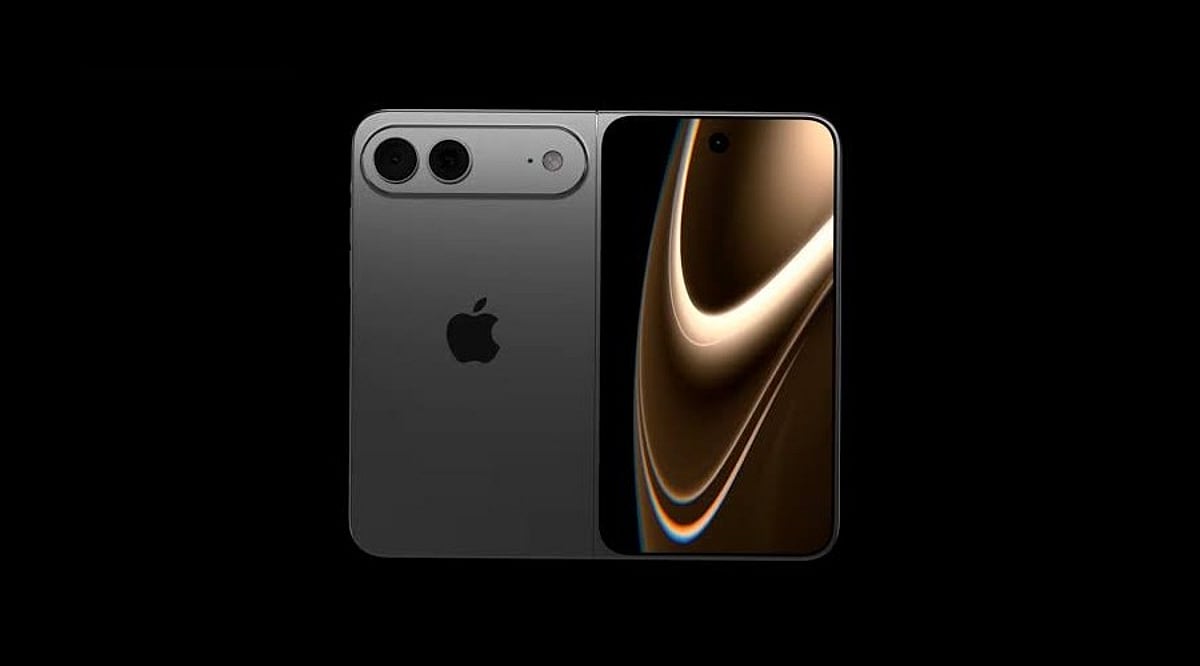
    Apple’s long-awaited entry into the foldable smartphone segment could reshape the competitive landscape far more quickly than anticipated. According to a new report by Smart Analytics Global (SAG), the launch of Apple’s first foldable iPhone—expected in the second half of 2026—is projected to capture a 25% share of global foldable shipments soon after its release.

    The report describes this launch as a market inflection point. Rather than merely taking customers away from Android rivals like Samsung and Huawei, Apple’s ecosystem, brand loyalty, and premium positioning are expected to significantly expand the overall addressable market for foldable devices. SAG assumes Apple will roll out its first foldable iPhone without major manufacturing, shipping, or reliability issues, at a price of approximately $2,000 in 2026. Under this scenario, Apple could become the global leader in foldable smartphones by 2027.

    Currently, Huawei leads the foldable market with around 40% of shipments in Q1 2026, though its share has declined due to rising competition. Samsung has nearly doubled its share to 25%, driven by strong sales of the Galaxy Z Fold 7 and Galaxy Z Flip 7. Honor has also strengthened its position in the premium foldable segment, indicating intensifying competition even before Apple’s arrival.

    Beyond vendor rankings, the report highlights a shift toward wider foldable designs. Traditional book-style foldables still dominate, accounting for about 69% of worldwide shipments in Q1 2026, but wide-fold phones—such as Huawei’s Pura X and Pura X Max—are emerging as the next growth engine. SAG predicts wide-fold devices will reach nearly 20 million unit shipments by 2027.

    Despite slower growth in the broader smartphone market, analysts see foldables as a long-term growth area. Apple’s entry is expected to boost consumer awareness, strengthen carrier support, and accelerate mainstream adoption of foldable technology.

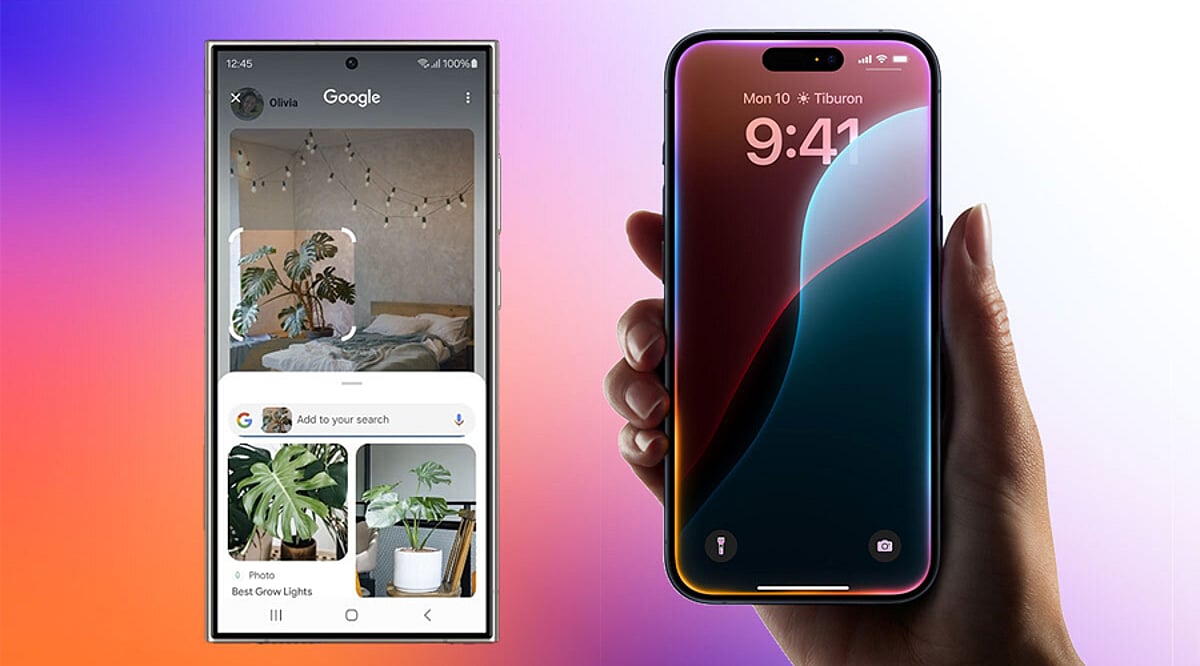
  • Galaxy AI vs Apple Intelligence: Key Differences in Smartphone AI Approaches

    Galaxy AI vs Apple Intelligence: Key Differences in Smartphone AI Approaches

    Samsung and Apple are pursuing distinct strategies for integrating artificial intelligence into smartphones. Galaxy AI emphasizes practical, user-accessible tools like translation, photo editing, and productivity enhancements. Apple Intelligence, by contrast, takes a more personalized route, embedding AI deeply into the operating system and apps to create a seamless, context-aware experience. Both aim to make smartphones smarter and more useful, but their methods differ significantly.

    Galaxy AI Is Built for Action

    Galaxy AI functions as a broad toolkit of practical features. Users can translate calls in real time, summarize content, edit photos with generative tools, and rewrite text. Samsung also leverages AI to improve search and overall productivity. This approach gives users visible, direct-access features, making Galaxy AI particularly appealing to those who want control and flexibility.

    Apple Intelligence Thinks Contextually

    Apple Intelligence is designed to understand the user’s personal context. Apple integrates AI into Siri, Messages, Mail, and other system-level features. The goal is to make AI feel less like a separate tool and more like an intelligent layer that works across the entire Apple ecosystem.

    AI Assistants Take Different Paths

    Galaxy users benefit from Samsung’s AI features alongside Google’s Gemini ecosystem, giving Android users access to a wide range of AI capabilities. Meanwhile, Apple is upgrading Siri to better understand context and perform more complex tasks. Apple’s long-term vision centers on a more capable assistant deeply integrated with Apple devices.

    Photo and Writing Tools

    Both platforms offer AI-powered writing and image-editing tools. Galaxy AI provides features such as Generative Edit, object removal, summarization, and writing assistance. Apple Intelligence offers tools including Rewrite, proofreading, Clean Up, and AI-generated images. Currently, Samsung feels more feature-heavy, while Apple focuses on seamless system integration.

    Privacy Remains a Key Difference

    Apple has placed privacy at the center of its AI strategy. Apple Intelligence processes many tasks on-device and uses Private Cloud Compute for more complex requests. Galaxy AI also combines on-device and cloud processing, depending on the feature. The key difference lies in how each company positions privacy within its AI ecosystem.

    Which AI Approach Is Better?

    Galaxy AI is better suited to users who want a wide range of practical tools and greater flexibility. Apple Intelligence may appeal more to users invested in Apple’s ecosystem who seek contextual, personalized assistance. The real competition is not simply about features—it is about which company can make AI feel most useful in everyday life.

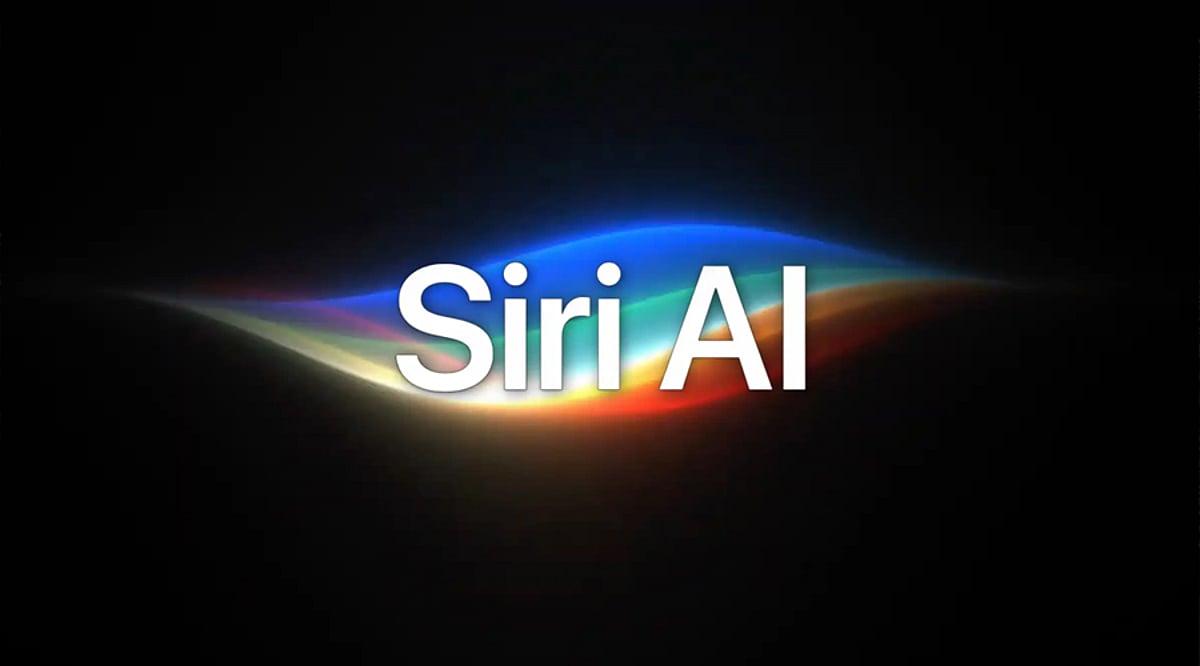
  • Step-by-Step Guide to Unlocking Apple’s Hidden Siri AI Popover

    Step-by-Step Guide to Unlocking Apple’s Hidden Siri AI Popover

    Apple has introduced a hidden Siri AI Popover that transforms how users interact with the digital assistant on compatible devices. This guide walks you through the activation process, from checking device compatibility to exploring the AI-powered interface.

    Check Device Compatibility

    The hidden Siri AI Popover is available only on compatible Apple Intelligence-supported devices, including newer iPhone, iPad, and Mac models. Ensure your device supports Apple Intelligence and is running the latest compatible software version before attempting to access the redesigned Siri interface.

    Update to the Latest Software

    Install the latest version of iOS, iPadOS, or macOS that includes Apple Intelligence features. Software updates often unlock hidden capabilities, improve Siri performance, and ensure compatibility with the AI-powered floating Siri Popover interface designed for eligible Apple devices.

    Enable Apple Intelligence

    Open your device settings and turn on Apple Intelligence if it is available in your region. Some features may require joining the waitlist or downloading additional AI resources before the hidden Siri Popover becomes accessible through supported voice commands or activation methods.

    Turn On Siri Features

    Navigate to Siri settings and enable options like “Listen for Siri” and side button activation. These settings allow the assistant to launch correctly, making it easier to trigger the new floating AI Popover interface instead of relying on traditional full-screen Siri interactions.

    Activate Siri Normally

    Once everything is configured, activate Siri using your voice or the device’s dedicated button. On supported Apple Intelligence devices, Siri appears as a subtle glowing border or compact Popover, allowing you to continue using apps without interrupting your workflow or screen activity.

    Explore AI Capabilities

    The Siri AI Popover supports contextual assistance, writing tools, summaries, and app-aware interactions through Apple Intelligence. Experiment with different prompts, ask follow-up questions, and use productivity-focused requests to experience the upgraded AI assistant beyond standard voice commands and basic information retrieval.

    Know the Availability Limits

    Apple Intelligence features, including the Siri AI Popover, are rolling out gradually across devices, languages, and regions. If you cannot access the feature immediately, keep your software updated, monitor Apple’s announcements, and wait for wider availability as support continues expanding.

  • 2026 iPhone Buying Guide: How to Select the Perfect Model for Your Needs

    2026 iPhone Buying Guide: How to Select the Perfect Model for Your Needs

    Choosing the right iPhone in 2026 depends on your budget, daily usage, and long-term needs. Comparing camera quality, battery life, performance, and software support helps narrow the options. Understanding Apple’s lineup ensures you invest in a model that offers the best value and longevity.

    Overview

    Apple’s 2026 iPhone lineup spans budget, mainstream, and flagship models, with differences centered on camera systems, battery life, display quality, performance, storage, and Apple Intelligence capabilities. Choosing the right model depends on balancing everyday usage, photography needs, productivity, gaming, and long-term software support rather than simply opting for the newest device. Older and refurbished iPhones continue to offer strong value for many users, while premium models deliver advanced features suited to creators, professionals, and power users.

    Apple sells five iPhone generations right now, new or certified refurbished. Picking the right one is not about buying the newest phone. It is about matching a phone to real habits and a real budget. This guide breaks the decision into three parts: how the phone gets used, how much to spend, and which specs actually matter.

    How to Choose the Right iPhone Based on Needs

    Most buyers fit into four groups. Casual users mostly text, scroll social apps, and watch videos. They rarely push a phone to its limits. Creators and power users shoot video, edit photos, and run heavy apps every day. For them, speed and storage matter as much as the camera. Professionals want a phone that works every time, with strong battery life and steady calls. Budget buyers and first-time buyers want a reliable phone at a fair price, often from the refurbished market. Every pick below fits one of these four groups.

    Apple’s 2026 iPhone Lineup Explained

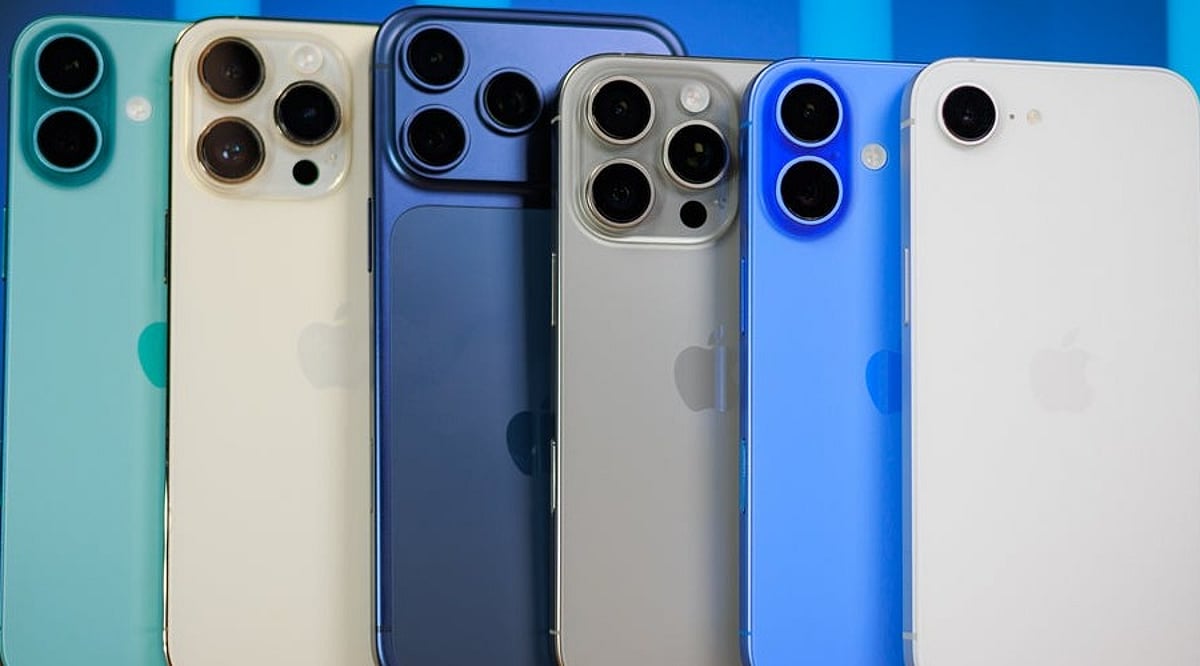
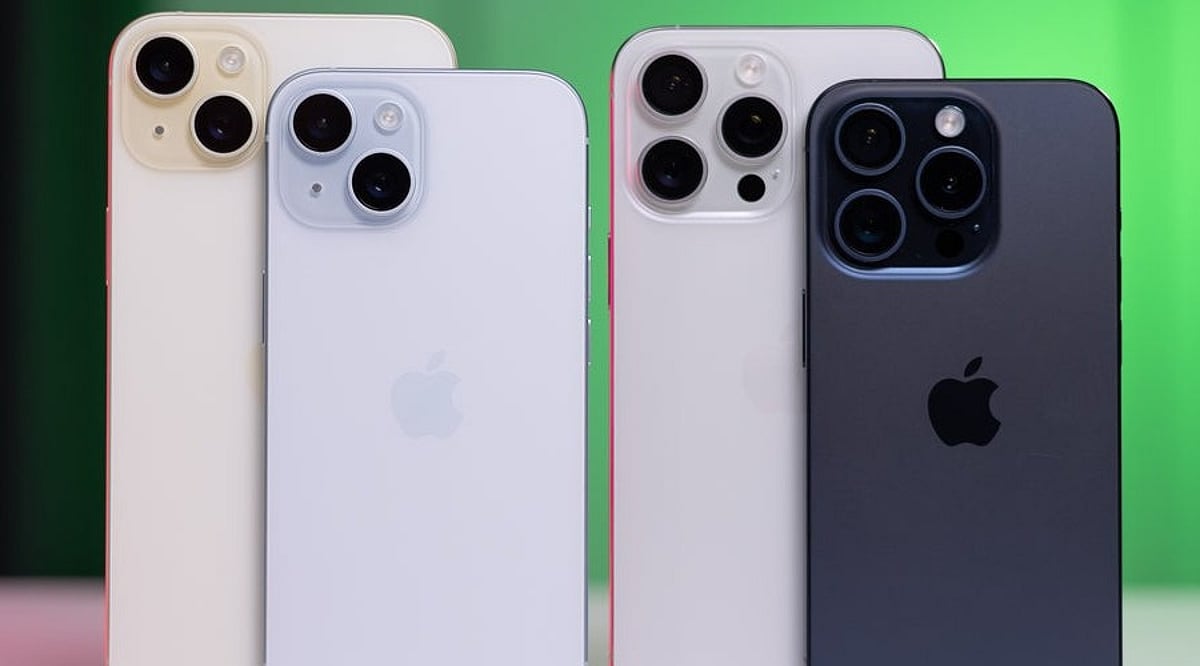
    The iPhone 17 series sits at the top right now. That includes the iPhone 17, the 17 Pro, the 17 Pro Max, and the new iPhone Air, which took the place of the old Plus model. The iPhone 18 has not launched. Apple is expected to hold an event in September, but pricing is not confirmed yet. So the iPhone 18 has no place in a buying decision made today. Below the flagships, the iPhone 16 and 16e offer current software at a lower price. Older models and certified refurbished devices, including the iPhone 13 through iPhone 15, make up the budget tier. They still run the latest iOS and handle daily tasks well.

    Best iPhone Models by Budget in 2026

    Apple has not confirmed any price hike, but recent dealer reports point to a possible increase for the iPhone 17 lineup, along with stock shortages on the base model. Treat these prices as a snapshot. Check current pricing before buying.

    Key Features to Compare Before Buying an iPhone

    • Camera: Pro models add extra lenses and sharper low-light shots. That matters most for photography and video work, less for someone who mostly shares photos on WhatsApp.
    • Battery and Charging Speed: Newer models last longer and charge faster, which helps heavy users and frequent travelers.
    • Chip: A faster chip runs Apple Intelligence more smoothly, while older phones support fewer AI features.
    • Storage: This gets ignored too often, and it shouldn’t. 128GB works for light users who lean on cloud backup. 256GB fits most people without much thought. 512GB or 1TB suits anyone who shoots a lot of video, plays large games, or keeps offline files without deleting them every week.

    Best iPhone Models to Buy in 2026

    The iPhone 17 is the best all-around pick for most buyers. Fast chip, solid camera, full Apple Intelligence support, at a lower price than the Pro models. For creators, the iPhone 17 Pro Max carries the strongest camera and screen on the market today. The extra cost makes sense for anyone earning money from photos or video. The iPhone 16 offers the best value in the mid-range, with a modern design and a good camera at a lower price. For a new phone on a tight budget, the iPhone 16e is a solid pick without the wear of an older refurbished unit. The iPhone Air suits buyers who want a thin, light phone without giving up the latest chip, a sharp screen, or a full day of battery. A certified refurbished iPhone 13 or 14 works well as a backup phone or a first phone for a teenager, as long as it still carries a warranty. One mistake worth avoiding: buying a Pro model just for the camera name, then never touching the modes that make it worth the extra money.

    How to Choose the Right iPhone Model in 2026

    1. Set a budget first, this narrows things down faster than any spec sheet.
    2. Be honest about cameras and Apple Intelligence. Do these actually matter for daily use, or would they mostly go untouched?
    3. Shortlist two or three models. Weigh storage against real usage, not the number printed on the box.
    4. Check trade-in and festival sale prices before deciding. A discounted last-year flagship often beats a new mid-range phone on value.

    Final Thoughts

    The iPhone 18 will change this picture soon, but that’s still months away and not confirmed. Buyers shopping today already have a strong lineup to pick from, from the iPhone 17 Pro Max down to a well-kept refurbished iPhone 13. The better long-term habit is checking real needs and storage before checking the model number. That habit still works no matter what chip Apple builds next.

    FAQs

    1. Which iPhone is the best to buy in 2026? The best iPhone depends on your budget and usage. Current flagship models suit power users, while last-generation and base models often offer the best balance of features and value.
    2. Is it worth buying an older iPhone in 2026? Yes, if it still receives software updates and meets your performance needs. Older and refurbished iPhones can be excellent choices for everyday tasks at a lower price.
    3. Should I buy a Pro iPhone or a standard model? Choose a Pro model if you need advanced cameras, premium displays, and top-tier performance. Standard models are ideal for most users seeking great everyday performance.
    4. How much storage should I choose for an iPhone? Select storage based on your usage. Casual users can opt for 128GB, while photographers, gamers, and content creators may benefit from 256GB or higher.
    5. What should I consider before buying an iPhone in 2026? Focus on your budget, camera requirements, battery life, storage, software support, and how long you plan to keep the device. Comparing these factors helps you choose the right model.