Tag: Apple

  • San Francisco Demands Apple and Google Remove AI Deepfake Nudify Apps from Stores

    San Francisco Demands Apple and Google Remove AI Deepfake Nudify Apps from Stores

    San Francisco has taken legal action against Apple and Google, demanding the removal of AI-powered ‘nudify’ apps from their app stores. The city alleges these apps enable users to create non-consensual intimate deepfake images, violating California law.

    In cease-and-desist notices sent to both companies, San Francisco City Attorney David Chiu accused Apple and Google of continuing to host dozens of such apps and processing payments for them despite the risks. The city warned that further legal action could follow if the companies fail to comply.

    ‘Nudify’ apps use artificial intelligence to generate fake nude images by digitally removing clothing from photographs. Authorities say the technology is increasingly used to target women and girls without their consent. The notices argue that Apple and Google are facilitating the distribution and monetization of software that enables non-consensual intimate deepfakes.

    The city has asked both companies to remove the apps, cut ties with their developers, and strengthen measures to prevent similar apps from appearing on their platforms. David Chiu stated that companies should not profit from software that enables digital exploitation.

    While AI technology has made image editing easy, it has also made it simple to create highly realistic fake images that can harm victims. According to San Francisco officials, investigations revealed that some nudify apps were still in use despite app store policies against abusive, exploitative, and sexually explicit material.

    This case adds to mounting pressure on major technology companies to take greater responsibility for AI-powered apps distributed through their marketplaces. Google stated that it removed hundreds of nudify apps and restricted related search terms. Apple had not publicly responded to the legal notices at the time of reporting.

    The move marks one of the strongest attempts by a U.S. city to hold app store operators accountable for hosting AI tools capable of generating non-consensual intimate deepfakes. It also signals growing regulatory pressure on technology platforms as AI-powered applications become more widely available.
  • Apple Trade Secrets Case Escalates Legal Pressure on OpenAI’s Hardware Ambitions and Potential IPO

    Apple Trade Secrets Case Escalates Legal Pressure on OpenAI’s Hardware Ambitions and Potential IPO

    Apple has intensified its trade secrets lawsuit against OpenAI by sending preservation letters to approximately 40 former employees who now work at the AI company. The letters instruct recipients to retain all relevant documents and communications, and request meetings with Apple’s legal team. This move follows Apple’s initial lawsuit filed on July 10 in the Northern District of California, which accuses OpenAI, io Products, and two former Apple employees of using confidential hardware information. OpenAI has denied any interest in rivals’ trade secrets, and the claims remain untested in court.

    Apple Widens Its Search for Evidence

    Apple named former employees Chang Liu and Tang Yew Tan in the complaint. Tan serves as OpenAI’s chief hardware officer after years at Apple, while Liu worked as a senior electrical engineer at Apple. The complaint alleges Liu kept a company laptop and later accessed Apple’s network through an authentication flaw, downloading many confidential internal Apple hardware files. It also claims Tan emailed himself supplier details and internal reports before leaving Apple. Both claims remain allegations. Apple further says Tan encouraged Apple employees interviewing at OpenAI to bring physical parts for “show and tell” sessions. One candidate allegedly said, “I didn’t even know we could take those from the office.” OpenAI has not publicly answered each claim. The preservation letters show Apple wants records from a wider group than the two employees named in court. More than 400 former Apple workers now work at OpenAI, according to Apple’s filing. Employee movement alone does not prove trade secret theft under California law.

    Hardware Plans Face Court Scrutiny

    OpenAI moved deeper into consumer hardware after buying io Products, a company linked to former Apple design chief Jony Ive. Reuters valued the transaction at $6.5 billion. Apple says OpenAI used hiring practices and supplier contacts to speed up its hardware work. Apple also alleges OpenAI approached Apple suppliers for confidential production information. One claim involves a metal-finishing method that Apple describes as secret. Apple says a supplier believed OpenAI had permission to use the process. OpenAI disputes the accusation. The court could examine emails, interview records, product files, and supplier communications during discovery. Apple may seek limits on technology that a judge finds connected to protected information. No court has ruled that OpenAI used Apple trade secrets. OpenAI said, “We have no interest in other companies’ trade secrets.” It added that the company focuses on building technology for users. The statement does not address the separate claims against Tan, Liu, or io Products.

    OpenAI IPO Plans Meet New Legal Risk

    Reports say OpenAI has considered a public listing in late 2026 or 2027. The company has not announced an IPO date. Previous statements from OpenAI said a listing was not its main focus. The Apple OpenAI lawsuit adds another item for banks and investors to review before any share sale. An IPO filing must describe material lawsuits, business risks, management matters, and possible costs. The case may also require OpenAI to explain whether its hardware plans rely on disputed information. A long discovery process could overlap with IPO preparations. It could expose internal messages, hiring records, and product development documents. However, the lawsuit does not automatically stop a listing, and Apple has not proved its claims. The dispute comes after Apple and OpenAI worked together to add ChatGPT access to Apple devices in 2024. Their relationship now includes cooperation and competition. The legal case will proceed separately from any reported IPO timetable.

  • Apple Back-to-School 2026 in India: Free AirPods & Apple Pencil Pro with Education Discounts

    Apple Back-to-School 2026 in India: Free AirPods & Apple Pencil Pro with Education Discounts

    Apple has officially launched its annual Back-to-School promotion in India, offering eligible students and educators free AirPods or an Apple Pencil Pro with qualifying Mac and iPad purchases. The deal runs from July 16 to August 27, 2026 and can be combined with Apple’s education pricing for extra savings.

    Free AirPods with Eligible MacBooks

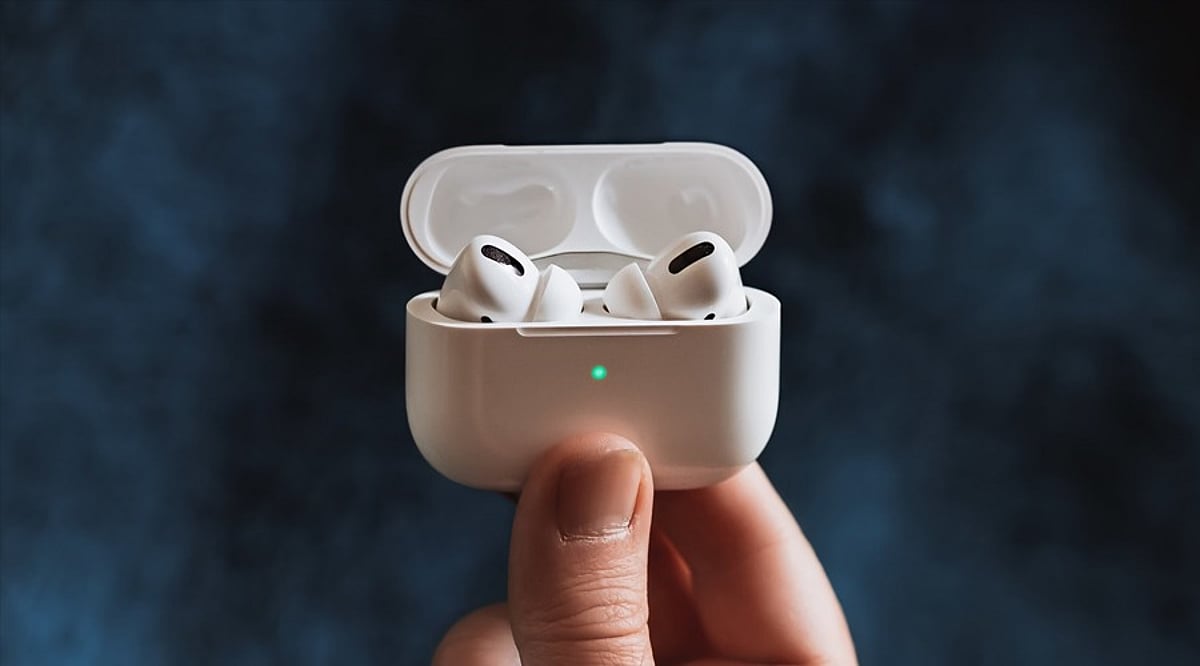
    Customers who buy a qualifying MacBook Air or MacBook Pro can choose either AirPods 4 or an AirTag 4-Pack at no extra cost. Those who prefer higher-end audio can upgrade to AirPods 4 with Active Noise Cancellation (ANC) for an additional ₹5,000, or AirPods Pro 3 for an additional ₹13,000. Apple says the offer provides savings of up to ₹12,900 on eligible Mac purchases.

    Education pricing further reduces device costs. The 13-inch MacBook Air with the M5 chip is available at ₹1,37,900 (down from ₹1,49,900), and the 14-inch MacBook Pro M5 is priced at ₹2,27,900 for eligible buyers (down from ₹2,39,900).

    Free Apple Pencil Pro with Select iPads

    Customers purchasing eligible iPad Air or iPad Pro models receive a free Apple Pencil Pro. If they instead choose an AirTag 4-Pack or AirPods 4, an additional ₹2,000 is required. Upgrading to AirPods 4 with ANC costs ₹7,000 extra, and AirPods Pro 3 costs ₹15,000 extra. Apple states the iPad promotion saves up to ₹10,900.

    Who Can Avail the Offer?

    The promotion is open to college students, newly admitted students, parents buying for eligible students, and employees of public and private educational institutions. Eligibility verification is mandatory at checkout via the Apple Education Store, the Apple Store app, or Apple Retail Stores.

    The offer does not apply to the MacBook Neo, iPad mini, standard iPad, or Apple’s desktop Mac lineup. Those devices can still be purchased at education prices but are not eligible for the free accessory program.

    Apple also continues its free engraving program on qualifying accessories through authorized channels.

  • Apple Maps Ads Launch: Strict Rules Block Plumbers, Electricians, and Crypto ATMs

    Apple Maps Ads Launch: Strict Rules Block Plumbers, Electricians, and Crypto ATMs

    Apple is preparing to introduce paid advertisements in Apple Maps, allowing businesses to pay for better placement in search results. However, the company is implementing strict guidelines that will exclude several high-risk business categories from participating, aiming to maintain user trust and search result reliability.

    Strict Ad Standards

    According to reports, Apple will block ads from categories often linked to scams, including plumbers, electricians, locksmiths, garage door repair services, and crypto ATMs. The company wants to ensure that users feel confident that the businesses they find through Maps are legitimate. Unlike Google, which allows such businesses to advertise after rigorous verification and background checks, Apple is taking a more cautious approach by outright banning these categories.

    Apple will also reject any advertisements containing false claims, misleading information, or offensive content. The company appears to be steering away from the open-advertising model used by many other online platforms, choosing instead to keep the number of ads limited and meet its high standards. For users, this could mean cleaner search results and fewer chances of encountering fake businesses.

    Impact on Local Businesses

    While the new rules may help reduce scams, they could also affect honest local businesses that rely on online searches to find customers. Many plumbers, electricians, and locksmiths are small, reputable operations that have built a strong reputation over time. A blanket ban may not be the perfect solution—a system that verifies trusted businesses could allow them to advertise while keeping bad actors away.

    Apple has not yet announced an official release date, but the company confirmed that the ad platform will launch this summer in the United States and Canada. As the platform grows, Apple may need to find a better balance between protecting users and giving genuine local businesses a fair opportunity to be seen.

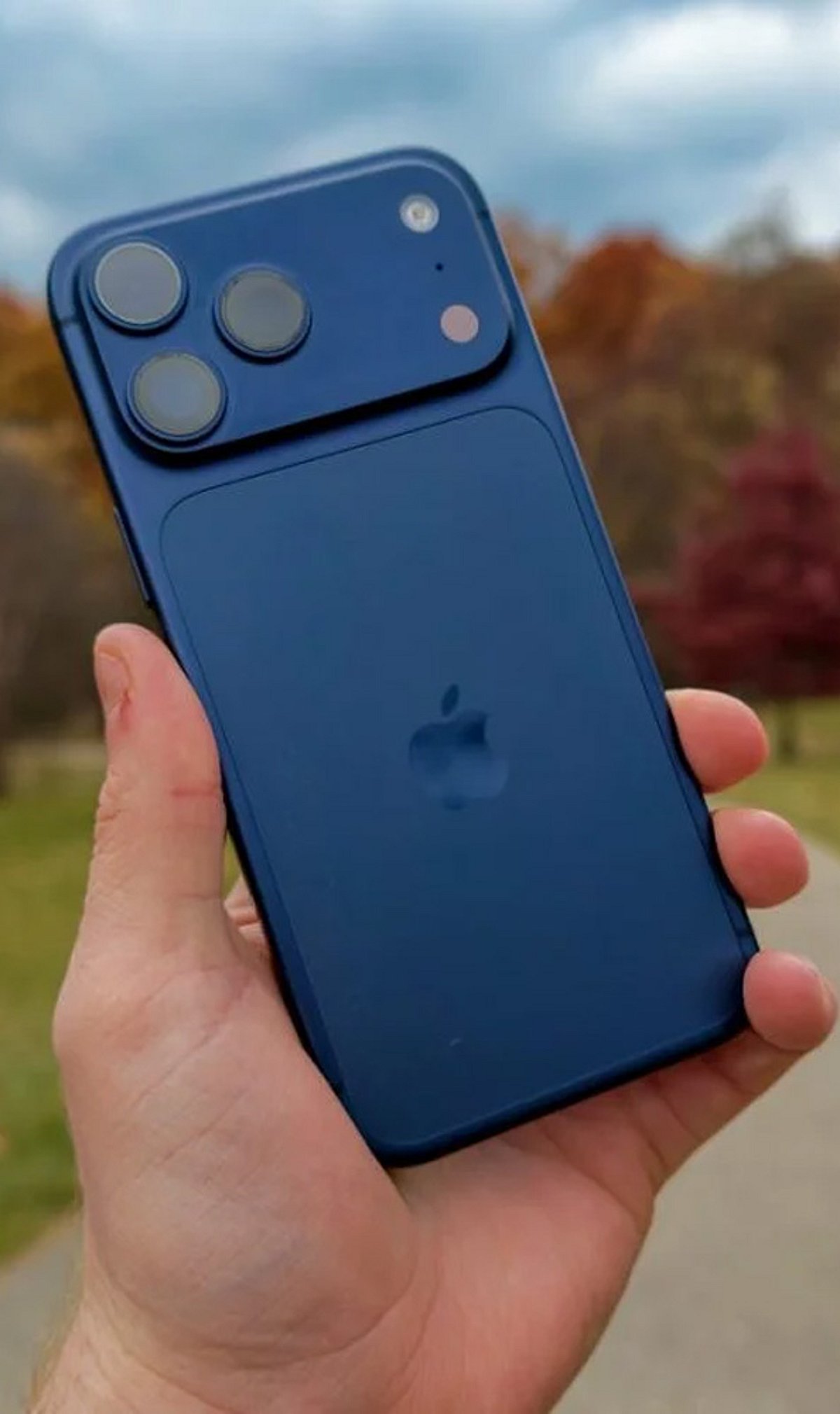
  • iPhone 17 Pro Max: Everything We Know About Apple’s Next Flagship

    iPhone 17 Pro Max: Everything We Know About Apple’s Next Flagship

    Apple’s upcoming iPhone 17 Pro Max is generating buzz with leaks and rumors pointing to significant upgrades across design, performance, and intelligence. Here’s a comprehensive look at what to expect from the next-generation flagship.

    Design

    Apple is expected to refine the premium design with slimmer bezels, more durable materials, and an improved overall in-hand experience. The device will likely maintain the iconic Pro Max silhouette while enhancing ergonomics.

    Display

    Rumors suggest a brighter OLED display featuring smoother refresh rates, better outdoor visibility, and enhanced color accuracy for immersive entertainment and productivity.

    Processor

    Apple’s next-generation A-series chipset could deliver faster AI processing, improved efficiency, and stronger gaming performance than previous generations, setting a new benchmark for mobile computing.

    Camera System

    Leaks indicate upgraded sensors, enhanced zoom capabilities, and improved computational photography for sharper images across different lighting conditions. Expect significant leaps in low-light and telephoto performance.

    Battery Life

    Improved power efficiency and battery optimization may provide longer screen time despite increasingly demanding applications and advanced AI features. Users can look forward to all-day usage without compromise.

    AI Features

    Apple Intelligence is expected to expand with smarter on-device capabilities, productivity tools, and personalized experiences throughout the operating system. AI will play a central role in the iPhone 17 Pro Max experience.

    Connectivity

    Faster Wi-Fi, upgraded Bluetooth, and improved satellite communication support could enhance connectivity and reliability across multiple environments worldwide, making the device more versatile than ever.

    Launch Timeline

    Apple is expected to unveil the iPhone 17 lineup during its traditional September launch event with global availability shortly afterward. The Pro Max will likely lead the premium segment.

    Pricing

    Premium hardware and AI-focused upgrades may keep the iPhone 17 Pro Max among Apple’s highest-priced flagship smartphones this year, though exact pricing remains unconfirmed.

  • Apple MacBook Neo Review: Budget Laptop with A18 Pro Chip and 13-Inch Liquid Retina Display

    Apple MacBook Neo Review: Budget Laptop with A18 Pro Chip and 13-Inch Liquid Retina Display

    MacBook Neo: Affordable Power for Everyday Use

    The MacBook Neo is Apple’s latest budget-friendly laptop, designed for portability and everyday productivity. It features a compact 13-inch Liquid Retina display, a lightweight build, and the Apple A18 Pro chip, delivering efficient performance and long battery life. Aimed at students, professionals, and everyday users, the MacBook Neo offers a reliable Mac experience at an accessible price point.

    General Specifications

    • Display: 13-inch Liquid Retina
    • Processor: Apple A18 Pro chip
    • Design: Lightweight and travel-friendly
    • Battery: Long-lasting battery life
    • Target Audience: Students, professionals, and everyday users

    Pros and Cons

    Pros

    • Affordable price point
    • Portable and lightweight design
    • Powerful A18 Pro chip
    • Excellent battery life
    • High-quality Liquid Retina display

    Cons

    • Limited to 13-inch screen (no larger option)
    • No dedicated graphics card

    Pricing and Availability

    The MacBook Neo is competitively priced for the budget segment. Check the latest prices and availability:

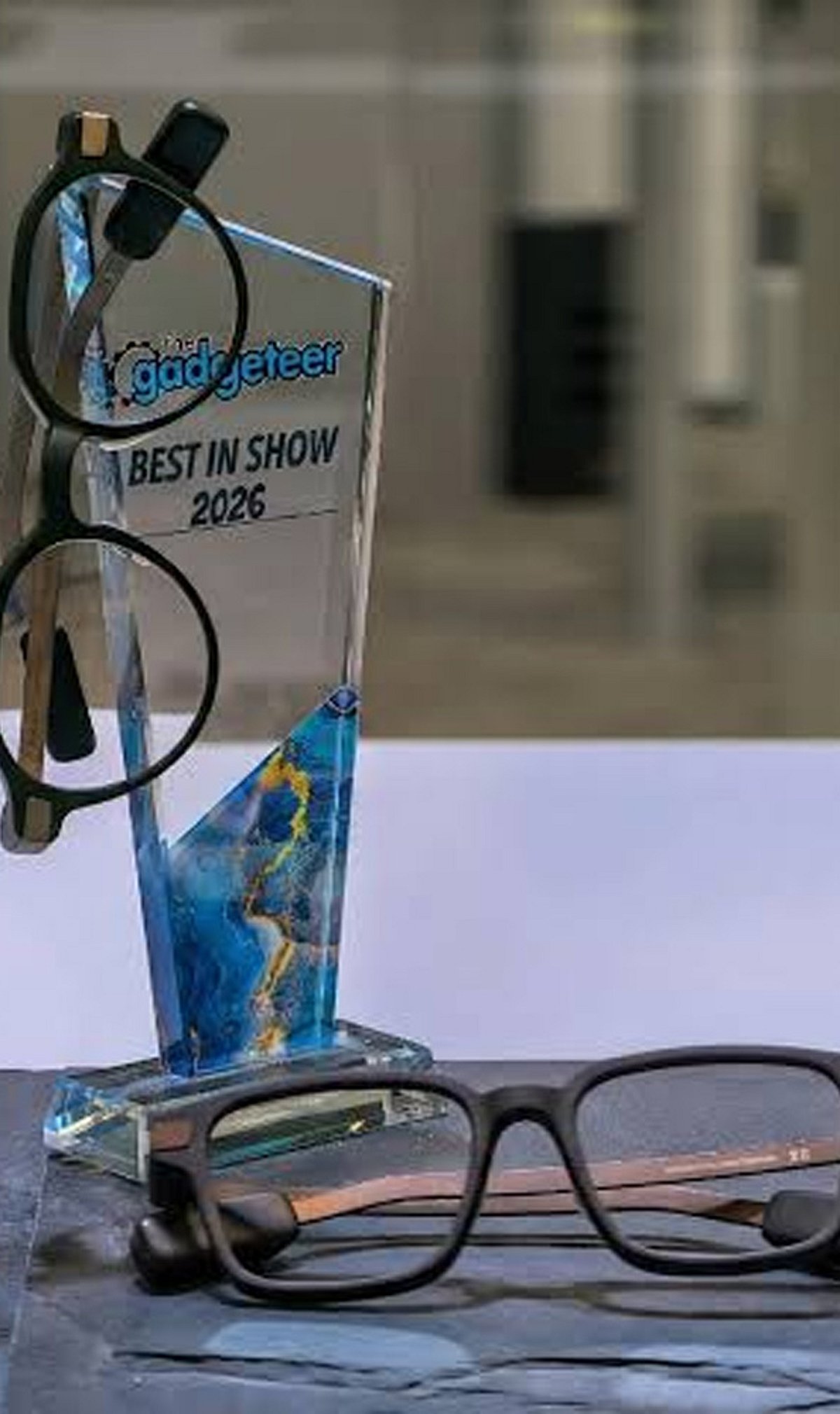
  • Leading Smart Glasses Brands Shaping 2026: Meta, XREAL, Apple & More

    Leading Smart Glasses Brands Shaping 2026: Meta, XREAL, Apple & More

    The smart glasses market is rapidly evolving, with 2026 poised to be a breakthrough year for wearable AI and augmented reality. From stylish consumer frames to enterprise-grade headsets, several brands are leading the charge. Here’s a look at the companies defining the future of smart eyewear.

    Meta Ray-Ban

    Meta’s collaboration with Ray-Ban has produced stylish smart glasses integrated with AI features, a camera, speakers, and voice assistance. These glasses blend fashion with functionality, making them a popular choice for everyday use.

    XREAL

    XREAL (formerly known as Nreal) offers popular AR glasses designed for immersive entertainment and productivity. Their lightweight form factor and compatibility with smartphones make them a leader in consumer AR.

    Google

    Google continues to develop AI-powered smart eyewear that integrates with its Gemini AI platform. Leveraging years of research, Google aims to bring contextual assistance and hands-free computing to users.

    Apple

    Apple’s wearable roadmap is expected to redefine premium mixed-reality experiences. While the Apple Vision Pro sets the stage, future iterations may bring more accessible smart glasses, combining high-end design with advanced sensors.

    Vuzix

    Vuzix focuses on enterprise-grade smart glasses for logistics, healthcare, and industrial applications. Their headsets provide rugged, hands-free solutions for workers requiring real-time data overlays.

    Lenovo

    Lenovo offers innovative AR wearables designed for business collaboration and virtual workspaces. Their ThinkReality series targets professionals seeking augmented productivity tools.

    Rokid

    Rokid produces affordable AR smart glasses that are gaining popularity for education and entertainment. Their devices focus on accessibility, making AR experiences available to a wider audience.

    Samsung

    Samsung is building an AI-powered XR ecosystem expected to expand wearable computing. With deep expertise in displays and mobile technology, Samsung’s upcoming smart glasses could integrate seamlessly with Galaxy devices.

    These brands are pushing the boundaries of what wearable AI and AR can achieve, from personal assistants to immersive work tools. Keep an eye on 2026 as these companies release next-generation smart glasses.

  • iOS 27 Public Beta Now Available: Siri AI Leads New Features—Check iPhone Compatibility

    iOS 27 Public Beta Now Available: Siri AI Leads New Features—Check iPhone Compatibility

    Apple has officially released the iOS 27 public beta, giving users an early look at the next-generation operating system ahead of its stable launch later this year. The headline feature is Siri AI, a redesigned, more intelligent assistant that brings deeper on-device processing, improved contextual understanding, and more natural conversations. The update also includes Apple Intelligence enhancements, performance improvements, and several interface upgrades.

    Siri AI: The Core of iOS 27

    The most exciting addition in iOS 27 is the new Siri AI. Unlike previous versions, this assistant can understand context, identify on-screen information, and perform complex multi-step tasks across Apple’s native apps. Users can ask Siri to locate a specific email, find a particular photo, create notes from messages, summarize content, or complete other multi-stage requests without switching apps. Natural language understanding has also been significantly improved. While the feature is available in the beta, compatibility with third-party apps will expand over time.

    This public beta offers the first opportunity for non-developers to experience Apple’s latest AI capabilities. Experts recommend backing up your device before installing the beta software.

    Other Features Coming in iOS 27

    Beyond Siri AI, iOS 27 introduces AI-powered photo editing, faster search in Photos, improvements to Camera and Messages, overall system performance optimizations, and security enhancements. Apple is clearly focused on delivering AI-driven experiences and refining performance.

    How to Download iOS 27 Public Beta

    To install the beta, sign in to Apple’s Beta Software Program with your Apple ID. Then go to Settings > General > Software Update > Beta Updates, select iOS 27 Public Beta, and begin the installation. Apple advises making a full device backup before upgrading, as beta versions may contain bugs and are incomplete.

    iPhone Compatibility

    iOS 27 supports many iPhone models, but Apple Intelligence and Siri AI require newer hardware. Older iPhones that support iOS 27 may not have access to all of Apple Intelligence’s capabilities. Check Apple’s official list to see if your device is eligible for the full experience.

  • Apple’s Biggest AI Upgrade Yet: Smarter Siri Arrives Across 5 Platforms

    Apple’s Biggest AI Upgrade Yet: Smarter Siri Arrives Across 5 Platforms

    Apple Intelligence is getting its most significant update to date, with a smarter Siri now spanning iPhone, iPad, Mac, Apple Watch, and Vision Pro. The upgrade brings enhanced conversational abilities, deeper app integration, and new features like Visual Intelligence, Live Translation, and stronger privacy protections.

    Originally introduced alongside iOS 18 in 2024, Apple Intelligence has evolved to deliver on its promise of an AI-powered personal assistant. The latest software cycle—iOS 27, iPadOS 27, macOS 27, watchOS 27, and visionOS 27—finally rolls out the previously delayed Siri improvements. Apple now positions Siri as a digital companion that understands personal context, moving beyond simple voice commands.

    Siri Gets Smarter

    The redesigned Siri can search across messages, emails, calendars, photos, and supported apps, then perform actions spanning multiple apps simultaneously. For example, it can pull restaurant recommendations from old texts, retrieve hotel confirmations from email, and locate travel photos without manual searching. For broader questions, Siri now pulls current information from the web.

    Apple Intelligence also integrates intelligent tools throughout the operating system. Writing tools offer proofreading, rewriting, summarizing, and content generation, alongside faster dictation. Image Playground generates original artwork in various styles, while Genmoji creates custom emoji from text prompts. The Photos app now includes object removal, natural language search, and AI-assisted memory creation.

    New Features Across Devices

    Visual Intelligence lets users interact with whatever appears on screen—screenshots, photos, and webpages all become searchable through plain-language prompts. Apple is also adding receipt recognition, aimed at simplifying bill-splitting in future updates. Live Translation adds real-time translation to Messages, FaceTime, and Phone calls. Shortcuts now builds automations from plain-English descriptions. Accessibility tools gain richer image descriptions, smarter Voice Control, and instant reading summaries.

    Hardware limitations remain, as the underlying models require significant processing power. Support covers iPhone 15 Pro and newer, iPad models with A17 Pro or M-series chips, and Apple Silicon Macs. Apple’s most capable on-device model is reserved for select premium hardware with higher memory.

    Privacy and Availability

    Rollout timing varies by region. Siri’s upgraded features won’t launch immediately in the European Union, citing privacy considerations, and China remains outside the initial rollout. Apple says it continues expanding language support elsewhere. Privacy remains a central focus: most requests are processed on-device, while heavier tasks route through Private Cloud Compute without retaining personal data.

  • TSMC Posts Record Q2 Revenue as AI Chip Demand Drives 36% Growth

    TSMC Posts Record Q2 Revenue as AI Chip Demand Drives 36% Growth

    Taiwan Semiconductor Manufacturing Co. reported record second-quarter revenue as demand for chips used in artificial intelligence systems lifted sales. The company generated NT$1.27 trillion, or about $39.62 billion, from April through June. Revenue rose 36% from a year earlier and came in slightly above the NT$1.264 trillion estimate drawn from 20 analysts.

    The result placed TSMC near the upper end of its official revenue forecast of $39 billion to $40.2 billion. The chipmaker supplies advanced processors to major technology companies, including NVIDIA and Apple.

    Investors now turn to the full earnings report, where profit, margins, spending and the next sales forecast will receive closer attention. TSMC gives its quarterly guidance in US dollars rather than Taiwan dollars, so currency movements can affect direct comparisons with reported sales.

    June Revenue Records Sharp Annual Growth

    TSMC generated NT$442.68 billion in June revenue. Sales rose 67.9% from June 2025 and increased 6.2% from May. The annual rise marked the company’s fastest monthly growth rate in 2026 and completed a record quarter for the Taiwan-based chip producer.

    Meanwhile, first-half revenue reached about NT$2.4 trillion, equal to approximately $74.99 billion. That figure was 35.6% higher than the same period last year. First-half sales were equal to about 63% of TSMC’s full-year revenue for 2025. TSMC originally planned the June report for Friday, July 10, but delayed the release after Typhoon Bavi closed financial markets in Taipei.

    AI Chip Orders Support TSMC Sales

    TSMC produces semiconductors designed by other companies and operates the world’s largest dedicated chip foundry business. Its production network gives the company a central role in supplying processors used by AI developers, cloud providers, smartphone makers and computer companies.

    Strong demand for high-performance computing chips has supported recent revenue growth. The brief sales statement did not show how much June revenue came directly from AI-related products. It also gave no product or customer revenue breakdown.

    Additionally, Taiwan plans to expand advanced chip packaging capacity in Chiayi Science Park. TSMC will add two more packaging plants at the site, according to Taiwan’s science and technology minister. The first facility already runs mass production, while officials expect the second facility to begin operations soon. Advanced packaging combines several chip parts for demanding AI computing systems.

    Earnings Report Shifts Focus to Outlook

    TSMC will release its full second-quarter results on Thursday, July 16. The earnings conference starts at 2 p.m. Taiwan time. Analysts expect second-quarter net profit to rise 58.8% from a year earlier, though the monthly sales statement did not include profit, earnings per share or margin figures.

    Investors will watch the company’s third-quarter revenue forecast, gross margin range and capital spending plans. TSMC previously guided for a second-quarter gross margin of 65.5% to 67.5% and an operating margin of 56.5% to 58.5%. Management did not issue updated guidance with the June sales release.

    TSMC’s Taipei-listed shares closed 1% higher on Monday before the sales figures became public. The broader Taiwan market finished the session almost unchanged. The company carried a market value of about $1.96 trillion at the time of the report, making it Asia’s most valuable publicly traded company.