Tag: digital assets

  • Bank of America Appoints Digital Assets and AI Heads to Drive Global Markets Strategy

    Bank of America Appoints Digital Assets and AI Heads to Drive Global Markets Strategy

    Bank of America has appointed separate executives to lead its digital assets and artificial intelligence programs as it expands both technologies across its global markets business. The bank named Sonali Theisen head of its global digital assets platform and appointed Kevin Milsom head of AI transformation, according to internal memos reported by Reuters and Bloomberg.

    The appointments place blockchain infrastructure and AI integration under dedicated leadership as major banks expand tokenization, custody, settlement, trading, and market operations.

    Digital Assets Platform Gains Dedicated Leadership

    Theisen will oversee the design, development, governance, and expansion of Bank of America’s global digital assets platform. She will also retain her existing responsibilities. She currently leads electronic trading and strategic investments within the bank’s fixed income, currencies, and commodities division.

    Theisen will work with Adam Dixon, who remains responsible for the bank’s digital asset transformation strategy. His remit covers tokenized deposits, stablecoins, digital collateral, crypto settlement, and custody. Meanwhile, Milsom will lead efforts to integrate artificial intelligence across global markets. The bank aims to apply AI to trading, risk management, and operational processes.

    Could the next phase of digital finance develop quietly inside major banks instead of through separate crypto businesses?

    Wall Street Expands Digital Asset Leadership

    The appointments follow a wider shift across Wall Street, where financial institutions are moving blockchain projects into core business functions. Earlier this month, Vanguard began recruiting its first digital assets head to develop a cryptocurrency strategy for wealth management clients.

    Morgan Stanley has also expanded its digital asset strategy after advancing spot Bitcoin and Solana exchange-traded fund initiatives. Beyond banking, companies are exploring how AI can support digital asset trading, tokenization, custody, and financial market analysis.

    A Polygon Labs team member said on X that Bank of America’s platform would span stablecoins, tokenized deposits, custody, and crypto settlement. The post referred to internal memos reported on July 17. The memos gave Theisen an added mandate and named Milsom head of platforms AI transformation.

    Stablecoin Claims Require Added Context

    The appointments arrived as Bitcoin traded near $65,000 on July 20, more than $50,000 below its level one year earlier. Separate social media posts linked the staffing changes to a claim that $6 trillion in bank deposits could move into stablecoins.

    Bank of America Chief Executive Brian Moynihan made a related comment during the bank’s fourth-quarter earnings call on January 14. Moynihan said deposits could migrate if stablecoins could pay interest. The GENIUS Act does not permit interest payments on stablecoins.

    The estimate also predates the July appointments. An April 2025 Treasury Borrowing Advisory Committee presentation placed potentially exposed transactional deposits at about $6.6 trillion.

    Bank of America’s new leadership structure brings digital assets and artificial intelligence into its core global markets strategy. The appointments support wider use of stablecoins, tokenization, custody, crypto settlement, and AI tools as major financial institutions modernize their market infrastructure.

  • Bengaluru Crypto Influencers Investigated in $35 Million OTC Fraud Scheme

    Bengaluru Crypto Influencers Investigated in $35 Million OTC Fraud Scheme

    India’s Enforcement Directorate (ED) has launched a money laundering probe into an alleged cryptocurrency investment fraud worth approximately $35 million (over Rs. 300 crore). The case involves Bengaluru-based crypto influencers who are accused of promising discounted token allocations to overseas investors and then failing to deliver.

    How the Alleged Scheme Worked

    According to the ED, the suspects operated as self-proclaimed crypto ‘key opinion leaders’ and used Telegram, WhatsApp, Instagram, websites, and in-person meetings to lure victims. They claimed to have access to guaranteed, steeply discounted direct token allocations from major blockchain projects such as MultiverseX, Kava, BEAM, GRASS, SUI, VANA, and AGLD. These private placements typically occur before public exchange listings, making the promised discounts attractive to early buyers. The accused allegedly used false credentials and claimed direct ties with blockchain developers to support their offers.

    Investigators say the group initially completed smaller deals without issues to build trust before investors transferred larger amounts. Funds were routed through a network of wallets, with large portions traced to suspect Ravindra K in Bengaluru, who is believed to be the operator behind the over-the-counter (OTC) deals. After receiving multi-million-dollar investments, the accused allegedly stopped delivering tokens when crypto prices rose, causing investors to lose access to promised allocations.

    ED Actions and Seizures

    The ED’s Bengaluru Zonal Office carried out searches on July 18 and 19, seizing digital devices, emails, wallet records, and encrypted account details. Authorities also seized virtual assets worth about 8,700 USDT (Tether stablecoin). The probe began under the Prevention of Money Laundering Act following a complaint from a Dutch commercial entity and an FIR from the South Andaman Cyber Crime Police. Initial losses were estimated at $10 million, but further checks revealed the suspected fraud exceeded $35 million.

    Officials say the seized material may help trace how funds moved between wallets and personal accounts, and may identify more victims. The ED is reviewing offshore wallets and related payment records for additional transfers. International cooperation may become necessary as the suspected transactions crossed several countries. The agency continues to examine the full network and seeks to freeze assets connected to the case. No court has convicted the named individuals, and the allegations remain under investigation.

  • CLARITY Act Ethics Rules Could Prevent Trump from Issuing New Digital Assets While in Office

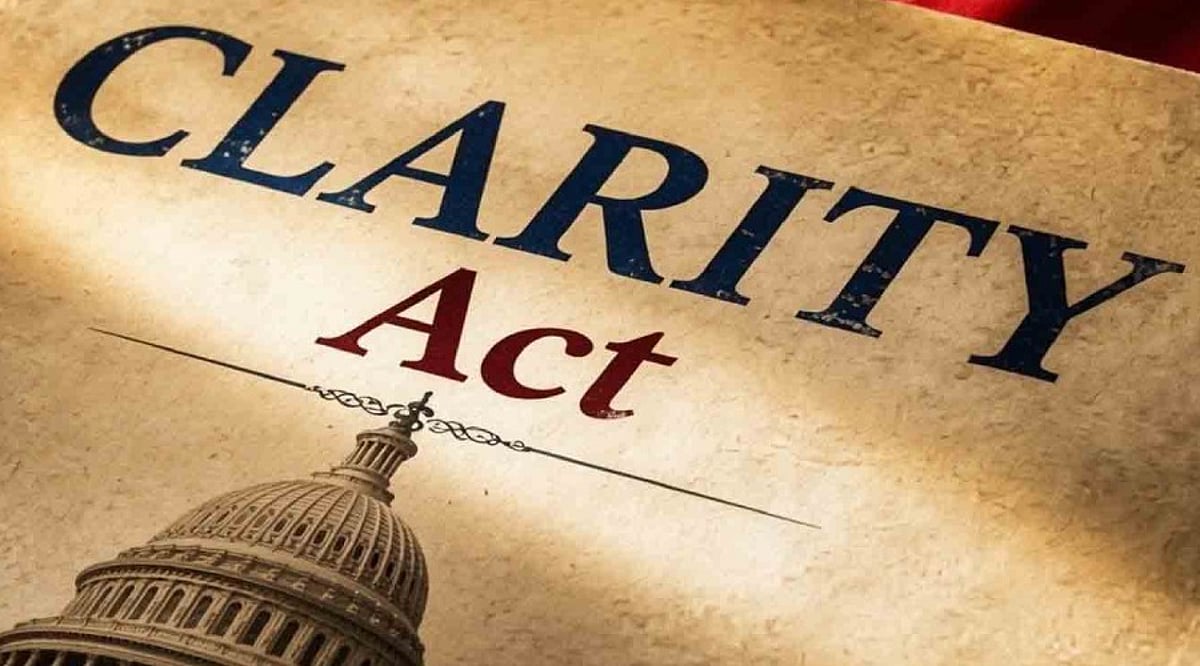
    CLARITY Act Ethics Rules Could Prevent Trump from Issuing New Digital Assets While in Office

    The latest draft of the Senate’s CLARITY Act has introduced ethics provisions that could restrict President Trump and other senior officials from issuing or sponsoring digital assets during their tenure. The bill, which aims to establish comprehensive cryptocurrency market regulations, now includes language targeting conflicts of interest among top government leaders.

    Key Takeaways

    • The Senate draft may ban top public officials from issuing new digital assets until 2029.
    • Trump’s crypto ventures, which have earned over $1 billion, have fueled the push for stronger ethics rules.
    • The bill still requires bipartisan support to become law.

    What Does the New Language Say?

    The proposed ethics section restricts the president, vice president, members of Congress, federal judges, and their spouses from issuing, sponsoring, or promoting digital assets while in office. The restriction would remain in effect until January 2029, covering the remainder of Trump’s current term. Additionally, officials must divest personal crypto holdings or place them in qualified blind trusts to reduce potential conflicts of interest.

    This marks a significant shift from earlier crypto bills, which focused primarily on market rules and investor protection. The new version adds ethics rules for public officials, addressing concerns about the intersection of governance and personal financial gain.

    Why Trump Matters in the Debate

    Recent financial disclosures revealed that Trump’s crypto ventures generated over $1 billion after his return to the White House, including roughly $500 million from World Liberty Financial’s crypto offerings and $600 million from Trump-themed meme coins. Bipartisan lawmakers and ethics experts argue that a sitting president should not profit from digital assets while federal agencies shape crypto regulations. Supporters of the bill emphasize that the rules apply to all future presidents and senior officials, not just Trump.

    Would the Bill Stop Trump from Launching New Digital Assets?

    Under the current language, covered officials cannot issue or sponsor new digital assets during their term. This would prevent President Trump from launching a new cryptocurrency, meme coin, or similar blockchain project while in office. However, legal experts note that the final outcome depends on precise definitions of terms like ‘issue,’ ‘sponsor,’ and ‘digital asset’ in the approved legislation. The draft also leaves questions about how existing crypto businesses would be affected, with further guidance expected after the bill becomes law.

    Senate Talks Continue

    The bill has garnered support from many Republicans seeking clear rules for digital assets, and from Democrats pushing for stronger ethics safeguards. Senate leaders, White House officials, and lawmakers from both parties are working on compromise language. President Trump has reportedly accepted some ethics changes to improve the chances of bipartisan support before the August recess. Disagreements remain on anti-money laundering rules, Know Your Customer requirements, and which federal agencies should oversee different parts of the crypto market.

    Why the Crypto Industry Supports the Bill

    The CLARITY Act is seen as a critical step toward providing regulatory clarity for the crypto industry. Companies like Coinbase, Circle, Bullish, Hut 8, and Riot Platforms have welcomed the potential for clear federal rules. The bill aims to resolve jurisdictional disputes between the SEC and CFTC while adding consumer protections. Financial markets responded positively, with Bitcoin rising to around $66,400 and crypto-related stocks climbing.

    Challenges Remain

    Passing the bill requires 60 votes in the Senate, meaning supporters must secure bipartisan backing. Some progressive groups argue the ethics rules should be tougher, while others raise concerns about conflicts of interest in the negotiation process. Prediction markets and analysts place modest odds on the bill becoming law this year due to the complex mix of crypto regulation, ethics reforms, and political differences.

    Why This Matters

    The CLARITY Act could reshape both crypto regulation and ethics standards in the United States. Its final version may determine whether top public officials can launch or profit from digital assets while in office, influencing investor confidence and future legislation. The debate has already shifted the national conversation from solely regulatory questions to broader ethical considerations about elected leaders’ involvement in the crypto business.

    Final Thoughts

    If the current language passes, President Trump and future presidents would be barred from issuing or sponsoring new digital assets during their terms, with stricter rules for personal crypto holdings and financial transparency. The outcome now depends on ongoing Senate negotiations. Regardless of the final bill, the debate has fundamentally changed how Washington approaches the intersection of digital assets and public office.

  • XRPPower Cloud Mining: Crypto Holders Report Daily Earnings of $4,700 or More

    XRPPower Cloud Mining: Crypto Holders Report Daily Earnings of $4,700 or More

    The cryptocurrency market has evolved far beyond simply buying and holding digital assets. Today, many investors are exploring cloud-based services that allow them to participate in blockchain infrastructure without purchasing expensive mining equipment or managing complex hardware.

    One platform gaining attention is XRPPower, a cloud mining platform established in 2023 and operated by XRP RIPPLE LTD, a company registered in the United Kingdom. The platform combines cloud computing resources with blockchain services to provide users with a simplified participation experience.

    Unlike traditional mining, users do not need to install specialized hardware or maintain mining machines. After creating an account, they can select a suitable cloud mining plan through the platform and manage everything from a web browser or the XRPPower mobile application for Android and iOS.

    Getting Started in Three Steps

    XRPPower is designed with simplicity in mind.

    1. Create an Account

    Create a free account. Receive a $21 sign-up bonus immediately upon registration.

    2. XRP POWER Smart Contract

    Secure and transparent, earnings are real-time verifiable and data is traceable; daily earnings are automatically returned by the smart system. XRPPower currently offers several cloud mining contract options to accommodate different participation preferences. According to the platform, the $21 Starter Contract can be activated once per day and currently displays an estimated daily return of $0.60. The $100 Contract is available as a one-time lifetime purchase per account and currently displays an estimated daily return of $4.00. For users seeking larger participation options, contracts valued at $500 and above are available without a purchase limit. The $500 Contract currently displays an estimated daily return of $6.40. Additional contract options, durations, and details can be viewed after creating an account on the XRPPower platform. Contract terms, availability, and displayed returns are subject to change according to the platform’s published information. By selecting and combining contract plans that align with your participation goals, users may be able to increase their potential daily returns. Additional contract options, terms, and plan details are available on the XRPPower platform.

    3. Track Your Account

    Users can monitor their account activity and manage their participation through the platform dashboard, with withdrawals available according to the applicable platform terms.

    Supporting Multiple Digital Assets

    XRPPower supports several widely used cryptocurrencies, including:

    • Bitcoin (BTC)
    • Ethereum (ETH)
    • XRP
    • USDT
    • USDC

    This allows users to participate using different digital assets depending on their preferences.

    XRPPower Referral Bonus Program

    XRP Power also offers a referral and partner program for users who wish to grow their network. Eligible participants may receive referral commissions and qualify for additional monthly promotional bonuses after meeting the platform’s published requirements. The program currently includes two-level referral rewards of up to 3% for direct referrals and 2% for second-level referrals. Depending on the number of qualified referrals, users may also be eligible to apply for monthly incentive bonuses. Full eligibility requirements, reward details, and participation terms are available on the official XRPPower platform.

    Looking Ahead

    XRP Power combines cloud mining, multi-cryptocurrency support, mobile accessibility, and a community referral program into one platform designed for global users. With simple registration, flexible contract options, and a user-friendly experience, the platform aims to lower the barrier to participating in cloud mining. As the digital asset industry continues to evolve, XRPPower is committed to improving its services and providing users with a convenient way to explore blockchain-based opportunities.

    Disclaimer: This article is provided for informational purposes and does not constitute investment advice. You are responsible for conducting your own research (DYOR) before making any investments. Cryptocurrencies mentioned may be risky and could result in financial loss.

  • MEXC Hires Robert MacDonald as Chief Compliance Officer to Steer Global Regulatory Strategy

    MEXC Hires Robert MacDonald as Chief Compliance Officer to Steer Global Regulatory Strategy

    MEXC, a leading zero-fee digital asset trading platform, has appointed Robert MacDonald as its new Chief Compliance Officer. MacDonald brings more than two decades of experience in regulatory transformation spanning traditional finance and digital assets. He will oversee MEXC’s global compliance strategy, governance framework, and regulatory engagement.

    MacDonald joins MEXC from Bybit, where he served as Chief Legal & Compliance Officer, directing global licensing and corporate legal operations while implementing international AML and KYC frameworks. His prior roles include senior positions at Standard Chartered and Binance, focusing on regulatory strategy and compliance transformation. In 2025, Asian Legal Business recognized him among the Top 15 Chief Compliance Officers for navigating regulatory complexity in digital assets.

    MEXC has recently expanded beyond crypto to offer retail users access to equities-related products, IPO access, and other asset classes. MacDonald’s mandate centers on three pillars: cross-jurisdictional governance, data-driven risk management, and strategic regulatory engagement.

    “Trust won’t be a competitive advantage but the price of entry,” MacDonald said. “Compliance is the gateway to trust and sustainable growth. The platforms that endure protect their users.”

    CEO Vugar Usi added, “Innovation and compliance can no longer be treated as separate priorities. Robert’s experience will strengthen the governance foundation needed to scale responsibly.”

    MEXC, trusted by over 40 million users across 170+ markets, continues investing in compliance infrastructure to support its multi-asset expansion.

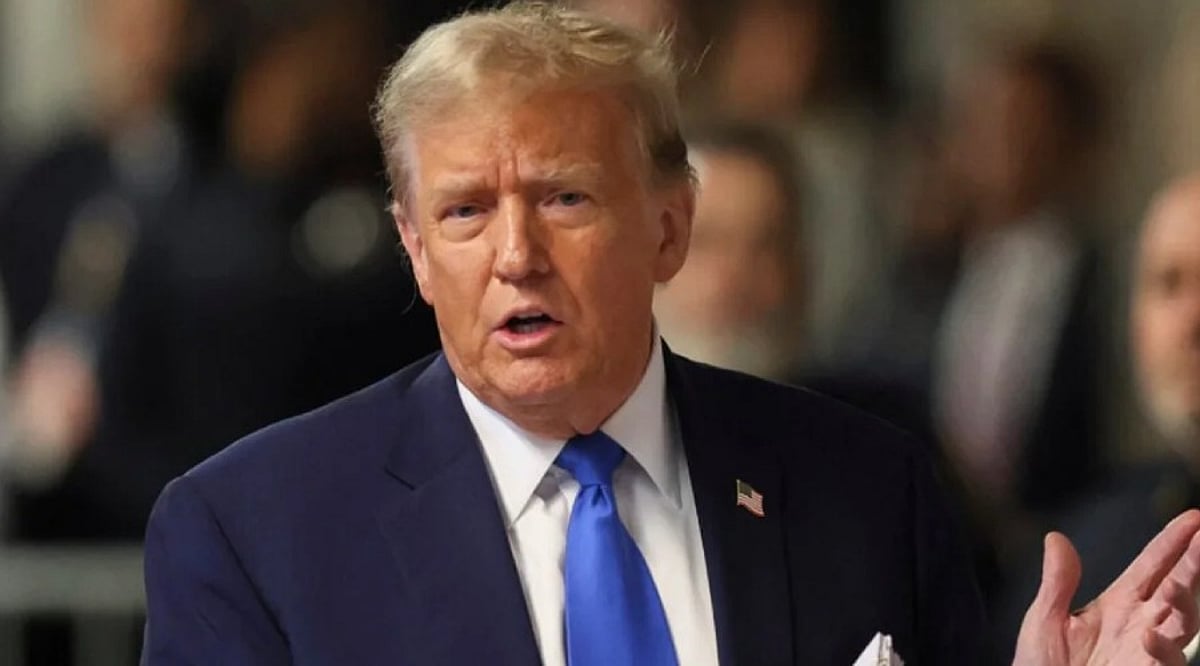
  • Trump Accepts Ethics Framework for Crypto CLARITY Act, Potentially Unlocking Senate Vote

    Trump Accepts Ethics Framework for Crypto CLARITY Act, Potentially Unlocking Senate Vote

    Former President Donald Trump has reportedly accepted an ethics framework tied to the Digital Asset Market Clarity Act (CLARITY Act), a move that could break a key deadlock in Senate negotiations. However, as of late July, the agreement remains unconfirmed and its language has not been publicly released, leaving a potential vote uncertain before the August recess.

    Ethics Rules Aimed at Conflicts of Interest

    Negotiators have proposed restrictions covering senior federal officials—including presidents, vice presidents, and lawmakers—to prevent them from profiting personally from digital assets while shaping industry policy. The reported framework would address profits from crypto ventures, but without the published text, the scope remains unclear. It is unknown whether the rules would apply to family members, existing holdings, new token launches, promotional income, or assets held in trusts. Enforcement mechanisms also remain undefined, including which agency would investigate violations and what penalties would apply.

    Trump’s Crypto Income Fuels Ethics Debate

    The ethics dispute intensified after Trump’s latest financial disclosures revealed that his family’s crypto ventures generated approximately $1.4 billion of his income in 2025. Senior Senate Democrats argued that the legislation could expand the value of crypto businesses linked to senior officials, calling for stronger conflict-of-interest safeguards. Trump dismissed the concerns in a July 2 CNBC interview, stating that his children manage his businesses and that the income was ‘nothing illegal.’ The White House has maintained that Trump does not oversee daily operations, though critics counter that transferring management does not remove his financial interest.

    Senate Faces Tight Timeline

    The House passed H.R. 3633 on July 17, 2025, by a 294-134 vote, and the Senate Banking Committee advanced its version on May 14, 2026, by a 15-9 vote. The legislation would split crypto oversight between the Securities and Exchange Commission (SEC) and the Commodity Futures Trading Commission (CFTC) and establish federal rules for exchanges and intermediaries. Senate leaders have not yet scheduled a floor vote, and the August state work period begins August 10, leaving a narrow window. Even with an ethics agreement, lawmakers still face disputes over decentralized finance, illicit-finance controls, and developer protections. Any changes to the House version would require approval from both chambers before the bill can reach Trump’s desk.

    What’s Next

    The next critical step is the publication of revised legislative text. If the reported ethics framework is converted into enforceable provisions and garners bipartisan support, the Senate could move forward. Until then, the agreement remains a political understanding rather than a completed amendment.

  • Nigeria Establishes Virtual Asset Council to Regulate Crypto Market and Curb Fraud

    Nigeria Establishes Virtual Asset Council to Regulate Crypto Market and Curb Fraud

    Nigeria has taken a major step toward bringing order to its rapidly expanding cryptocurrency market. President Bola Tinubu signed an executive order on July 17, establishing a Virtual Asset Council that will coordinate regulatory efforts across multiple government agencies, protect digital asset users, and crack down on fraudulent activities.

    The newly formed council brings together key regulatory bodies, including the Central Bank of Nigeria (CBN), the Securities and Exchange Commission (SEC), the Nigeria Revenue Service, the Nigerian Financial Intelligence Unit, and the Office of the National Security Adviser. A dedicated Virtual Asset Office within the CBN will oversee the council’s daily operations and facilitate rapid information sharing among agencies.

    Under the new framework, crypto businesses will register based on the specific services they offer—such as trading, payments, or custody. The SEC will oversee crypto assets classified as securities, while the CBN will supervise crypto payment systems and related services. This clear division of responsibilities is designed to close legal loopholes and simplify compliance.

    “Too often, unregistered and fraudulent operators have exploited these gaps to prey on unsuspecting Nigerians, costing families their savings,” the Presidency stated, explaining the need for the new system.

    Nigeria also plans to release new tax guidelines for digital assets and launch a regulatory sandbox where blockchain companies can test new products under government supervision. The Virtual Asset Council is tasked with preparing detailed rules within 30 days. Meanwhile, lawmakers are considering a new bill that could introduce stricter licensing and compliance requirements for crypto businesses.

  • Bank of America Creates Unified Head of Digital Assets and AI Role to Strengthen Crypto Strategy

    Bank of America Creates Unified Head of Digital Assets and AI Role to Strengthen Crypto Strategy

    Bank of America has appointed a new Head of Digital Assets and AI, merging oversight of cryptocurrency strategy and artificial intelligence under a single executive. The move signals a deeper internal focus on governance, analytics, and infrastructure rather than a new product launch.

    One Executive, Two Strategic Areas

    The new structure combines digital-asset and AI leadership, suggesting the bank sees operational overlap between automation, analytics, and asset infrastructure. The appointment does not confirm a new product rollout but points to internal coordination across functions that shape policy, governance, and market readiness.

    Bank of America has also published research on how stablecoins fit into financial infrastructure, adding context to the new role and showing continued attention to digital-asset policy and operational planning.

    What the Restructuring Signals

    The move indicates the bank wants closer alignment between technology, compliance, and asset strategy. It may help internal teams coordinate more quickly and places AI tools within the same governance framework as digital-asset operations and analytics. Large financial institutions often use leadership changes to signal where they see future growth; here, the appointment frames crypto as part of broader enterprise innovation.

    Institutional Crypto Strategy Comes into View

    Bank of America is among the largest U.S. banking institutions, so any leadership change tied to crypto draws wide attention. Institutional participation often acts as a credibility signal for the sector. The new role sits within that broader trend, though it remains a governance move rather than a confirmed announcement of new services, partnerships, or products. One report also noted that the bank shifted a top trader to oversee crypto strategy across the firm, adding to the picture of a wider restructuring around digital assets.

    The appointment places Bank of America’s crypto work inside a larger strategic framework and shows that AI now sits beside digital assets in the bank’s leadership structure.

    What’s Next?

    Bank of America has created a Head of Digital Assets and AI role, bringing crypto strategy and artificial intelligence under one executive. The restructuring strengthens internal coordination around governance, analytics, and digital assets while reflecting the bank’s broader approach to advancing its crypto strategy.

  • Vanguard Creates Head of Digital Assets Role to Accelerate Blockchain Strategy

    Vanguard Creates Head of Digital Assets Role to Accelerate Blockchain Strategy

    Vanguard has posted a job opening for a senior executive to lead its digital assets strategy, signaling a new step toward blockchain-based financial infrastructure. The role comes even as the firm continues to reject launching its own cryptocurrency investment products.

    The company listed the Head of Digital Assets, Personal Wealth vacancy on July 6. The position seeks a leader to build a multi-year plan across advisory, self-directed, and wealth management businesses. The job covers custody, settlement, tokenization, stablecoins, wallet infrastructure, and regulatory coordination, pointing to internal preparation for a tokenized financial system.

    Strategy Shifts Toward Infrastructure

    The job posting suggests Vanguard is now focusing less on whether crypto belongs in client portfolios and more on how digital assets may move through its systems. The role calls for reviewing custody structures, reconciliation tools, settlement workflows, reporting systems, and third-party integrations. It also requires tracking tokenized securities, regulated stablecoins, blockchain providers, and digital asset custodians.

    What happens when a firm that rejected Bitcoin ETFs begins planning for tokenized finance? The answer appears in the role itself: Vanguard wants a leader who can shape governance, compliance, enterprise risk, and operational readiness.

    Cautious Stance, Wider Preparation

    Vanguard declined to offer spot Bitcoin ETFs after US regulators approved them in January 2024, stating that volatile digital assets did not fit its long-term investment philosophy. Even so, the latest hiring move shows a different focus. Vanguard appears to be preparing its wealth platform for digital assets as demand grows and regulation continues to evolve. The company has said it still has no plans to launch its own crypto ETFs or crypto mutual funds and continues to warn investors about the risks and volatility of digital assets.

    Tokenization and Long-Term Positioning

    The job description places strong emphasis on tokenization and digital cash infrastructure, as well as settlement, interoperability, and regulatory coordination. Tokenization can turn assets such as bonds, equities, and real estate into blockchain-based digital forms, potentially reducing settlement time, lowering costs, and cutting counterparty risk. Vanguard’s move aligns with broader institutional trends, as large asset managers increasingly examine blockchain infrastructure beyond direct cryptocurrency products.

    Vanguard managed about $12 trillion in assets for more than 50 million investors as of December 2025. That scale makes any operational shift potentially significant across the investment industry. Even a small allocation through third-party digital asset products could funnel billions into blockchain-linked infrastructure. Analysts have noted that 0.1% of Vanguard’s managed assets would equal about $12 billion. The new executive would not focus on speculation but rather on the systems that could support tokenized finance inside a large wealth platform.

    What’s Next?

    Vanguard’s digital assets hiring move signals a clear shift toward blockchain infrastructure, tokenization, and operational readiness. While the firm still rejects its own crypto ETFs, it is preparing for a future where digital assets may move through traditional wealth platforms.

  • India Eyes Stricter Crypto Rules as RBI Pushes for Banking Restrictions on Digital Assets

    India Eyes Stricter Crypto Rules as RBI Pushes for Banking Restrictions on Digital Assets

    India’s cryptocurrency policy debate has entered a new phase after newly disclosed government documents showed the Reserve Bank of India (RBI) continues to support restrictions on digital assets instead of broader regulation. Reuters reported that the central bank wants regulated financial institutions blocked from holding, trading, or gaining exposure to cryptocurrencies and privately issued stablecoins.

    Meanwhile, tax authorities warned that offshore trading platforms complicate tax enforcement and reduce compliance. The documents also revealed that policymakers have not reached a unified position on the country’s long-delayed crypto framework. As digital asset ownership grows across India, regulators continue weighing financial stability, tax enforcement, and market oversight.

    RBI Maintains Restrictive Position on Digital Assets

    According to the documents reviewed by Reuters, the RBI believes cryptocurrencies and privately issued stablecoins pose risks to financial stability, monetary sovereignty, and wider financial markets. As a result, the central bank favors preventing banks and other regulated financial institutions from holding digital assets or offering direct exposure to them.

    Meanwhile, India continues without dedicated cryptocurrency legislation despite years of policy discussions. Digital assets remain legal to own and trade after the Supreme Court overturned an earlier banking restriction in 2020.

    Besides, the latest documents indicate that regulators have become increasingly concerned as cryptocurrency adoption continues to expand across the country. Reported estimates showed that nearly 39 million Indians held about $2.1 billion in digital assets at the end of May, placing India among the world’s largest retail cryptocurrency markets.

    Global Policies Move in a Different Direction

    India’s latest policy discussions contrast with regulatory developments in several major financial markets. For example, Japan continues expanding its regulated stablecoin ecosystem through new blockchain financial services and retail payment initiatives instead of limiting digital asset integration.

    Similarly, the European Commission is preparing revisions to its Markets in Crypto-Assets framework to support tokenization and emerging blockchain applications. Likewise, lawmakers in the United States continue negotiating the CLARITY Act, which seeks to establish a comprehensive federal market structure for digital assets rather than relying mainly on enforcement actions.

    Consequently, many leading economies now focus on refining cryptocurrency regulation instead of excluding digital assets from regulated financial systems.

    Tax Compliance Concerns Add to Policy Debate

    Besides financial stability concerns, India’s tax authorities also identified significant compliance challenges involving cryptocurrency transactions. According to the documents, fewer than one-quarter of roughly 645,000 individuals who traded cryptocurrencies during the financial year ending March 2023 reported those activities on income tax returns.

    Officials reportedly found that offshore exchanges, private wallets, and peer-to-peer transactions make it harder to identify beneficial owners and calculate taxable gains. India currently imposes a 30% tax on cryptocurrency profits alongside a 1% tax deducted at source on many digital asset transactions.

    Meanwhile, the documents also revealed differing views within government institutions. Previous discussions reportedly showed the Finance Ministry favored limited regulatory clarity supported by existing tax laws, while the RBI consistently supported keeping cryptocurrencies outside the regulated financial system.

    Although the documents do not signal an official government decision to prohibit cryptocurrencies, they show that India’s principal financial authorities continue debating how to balance innovation, consumer protection, monetary stability, and effective tax enforcement while lawmakers consider future legislation.

    What’s Next?

    India’s cryptocurrency policy remains unsettled as the Reserve Bank of India advocates tighter banking restrictions while tax authorities raise compliance concerns. Meanwhile, policymakers continue weighing financial stability against regulatory clarity, leaving the country’s future crypto framework under active discussion.