Tag: Google

  • EU Imposes Record €890 Million Fine on Google for Violating Digital Markets Act

    EU Imposes Record €890 Million Fine on Google for Violating Digital Markets Act

    The European Union has fined Google’s parent company, Alphabet, €890 million (approximately Rs. 9,796 crore) for breaching the Digital Markets Act through its Search and Play Store practices. The European Commission announced the decision on Thursday, concluding a two-year investigation that found Google gave its own services an unfair advantage in search results and restricted app developers’ ability to offer alternative payment options.

    The fine is split into €460 million for Google Search and €430 million for Play Store violations. Regulators determined that Google prominently displayed its own Shopping, Hotels, Flights, and other services over rival platforms, and prevented Android developers from directing users to cheaper payment methods outside the Play Store.

    In response, the European Commission has ordered Google to treat competing services fairly in search results and allow developers to freely promote alternative payment systems. While Google implemented some changes during discussions with regulators, the Commission concluded these adjustments did not fully comply with the Digital Markets Act.

    Google has announced its intention to appeal the decision, arguing that the Digital Markets Act makes its products less useful and could increase Android users’ vulnerability to scams and harmful links. This penalty marks Google’s first major fine under the Digital Markets Act and signals the EU’s continued strict enforcement of digital competition rules against large technology companies.

  • Google Pixel 11 Series Leak Reveals Design Details and Color Options

    Google Pixel 11 Series Leak Reveals Design Details and Color Options

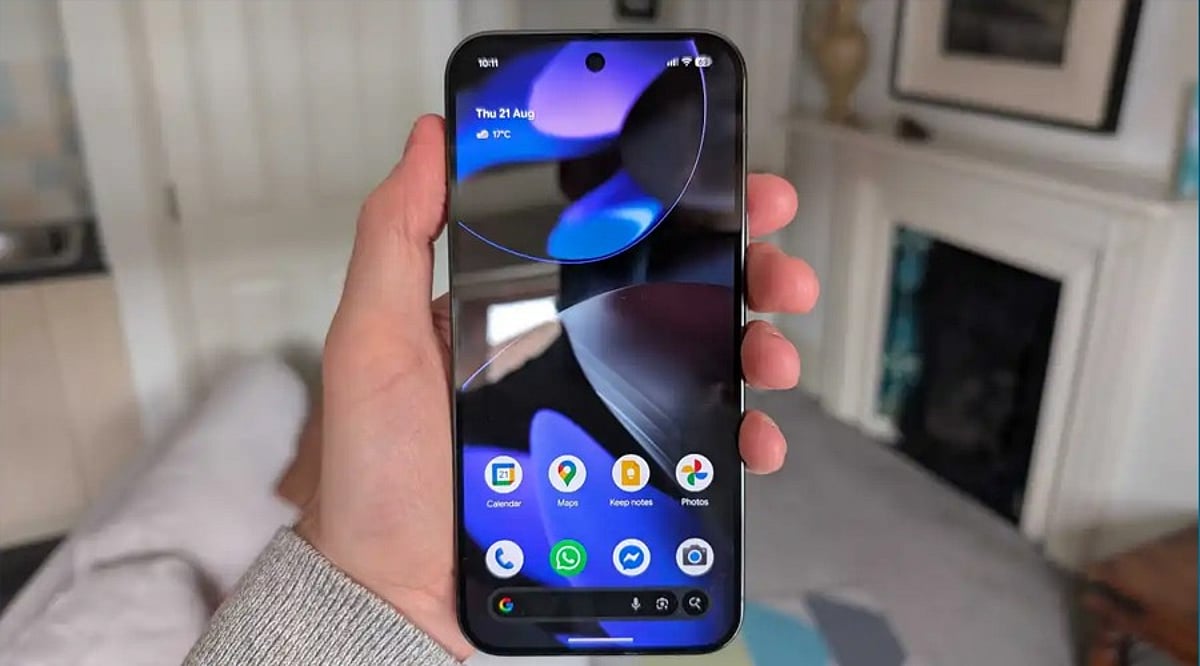
    Google’s upcoming Pixel 11 series has been leaked in new renders, offering an early look at the design and color choices for the Pixel 11, Pixel 11 Pro, and Pixel 11 Pro XL. The images, which surfaced ahead of the anticipated Made by Google event, suggest that Google is sticking with a familiar design philosophy while making subtle refinements.

    The renders show that the distinctive camera bar, a hallmark of recent Pixel models, remains intact. The standard Pixel 11 features a dual-lens rear camera setup, while the Pixel 11 Pro and Pixel 11 Pro XL step up to a triple-lens configuration, hinting at enhanced photography capabilities for the higher-end models.

    Color options appear to vary by model. According to the leak, the Pixel 11 will be available in vibrant, bright colors, whereas the Pro versions are expected to come in darker, more muted tones with metallic finishes. Google has not officially confirmed any of these colors or specifications, so all details should be treated as speculative until the company makes an official announcement.

    The leaked renders arrive just weeks before Google’s major hardware event, where the Pixel 11 lineup is expected to debut alongside other Pixel devices and software updates. As with any pre-launch leak, enthusiasts should await official confirmation from Google. Nonetheless, these images provide the clearest preview yet of what the next generation of Pixel smartphones might look like.

  • Android 17 Eases iPhone-to-Android Switching with Expanded Data Transfer

    Android 17 Eases iPhone-to-Android Switching with Expanded Data Transfer

    Google has started rolling out Android 17, bringing a major improvement for iPhone users considering a switch to Android. The updated Android Switch feature now enables users to transfer a broader range of personal data during initial phone setup without the need for additional apps.

    The update is currently available on supported Pixel phones and Samsung Galaxy Z Flip 8 and Galaxy Z Fold 8 devices. Google has confirmed that more Android phones will receive the feature in the coming months.

    Previously limited to photos and contacts, the new transfer tool now supports moving Google Account details, passwords, passkeys, Wi-Fi settings, eSIM information, messages, call history, alarms, notes, files, and some app data wirelessly. Users simply scan a QR code to connect both phones and select the data they want to transfer.

    “We worked with Apple to overhaul the iOS to Android transfer process to ensure your data moves with you,” Google stated. The company added that messages, passwords, favorite apps, home screen layout, and eSIM details can now move directly to a new Android phone.

    The transfer occurs during new Android device setup. After selecting the option to copy data from an iPhone or iPad, the Android phone generates a QR code. Scanning the code connects both devices and begins the wireless transfer. Google recommends keeping both phones connected to Wi-Fi, charging them beforehand, and ensuring sufficient storage on the new phone.

    Some data still requires separate handling. iCloud-only photos, Safari bookmarks, Apple Health data, and paid iPhone apps do not transfer automatically. However, Android 17 also facilitates moving WhatsApp chats, switching from iMessage to Google Messages, and transferring iCloud Photos to Google Photos, making the overall switching process significantly smoother.

  • Top 7 Companies Offering Massive Manager Salaries in 2026: AI, Equity, and More

    Top 7 Companies Offering Massive Manager Salaries in 2026: AI, Equity, and More

    Overview

    AI is reshaping compensation: Managers with artificial intelligence, machine learning, and advanced computing expertise command premium salaries across leading technology companies. Equity drives earnings: Stock grants and performance incentives significantly increase total compensation beyond base salaries at major global technology firms. Leadership demand is rising: Companies increasingly reward managers who can lead large teams, deliver complex products, and manage high-impact technology programs.

    Management roles in technology have become some of the most lucrative positions in the global job market. In this tech-powered world, compensation at leading companies increasingly reflects the value of AI expertise, technical leadership, and the ability to manage large-scale engineering organizations.

    Companies Offering Highest Salary Packages to Managers

    These companies offer some of the strongest salaries across tech, finance, consulting, e-commerce, and product roles. Their pay ranges, bonuses, and stock options set them apart. You get high-value roles, fast growth, and exposure to global projects. Here are the best companies paying high salary packages to managers in 2026.

    Meta

    Meta has one of the best compensation structures for managers of software engineers. Reported compensation packages in US dollars range from ₹5.14 crore to ₹34.06 crore per year, depending on experience. The median compensation is around ₹7.30 crore per year. Equity constitutes a major portion of total compensation packages. Managers involved in artificial intelligence, machine learning, infrastructure, and large-scale engineering earn the best packages.

    Google

    Software engineers at Google earn roughly ₹3.66 crore to ₹18.91 crore per year on average in total compensation. The median package is nearly ₹6.22 crore. Google compensates employees through a combination of base salary, annual bonuses, and stocks. Engineers who manage important AI, cloud, and engineering projects get hefty compensation packages.

    Nvidia

    Nvidia’s technical expertise in AI leadership has increased its importance. Software engineering managers are earning approximately ₹3.59 crore to ₹6.66 crore per year, with a median salary of around ₹5.50 crore. Senior managers receive approximately ₹5.86 crore, while directors earn about ₹6.66 crore.

    Microsoft

    Microsoft continues to provide premium pay for managers working in artificial intelligence, cloud computing, cybersecurity, and enterprise software. Reported packages for engineering managers start from ₹3.38 crore, with top positions earning more. Base pay, year-end bonuses, and RSUs form the basic components of the package.

    Amazon

    Amazon’s Engineering Management salary packages depend on the size of its cloud and technology business. Salary for software engineering managers in the United States starts from about ₹2.95 crore and goes up to nearly ₹18.26 crore, with a median of roughly ₹4.95 crore. Cloud, AI, and infrastructure are among the most lucrative domains. Amazon also pays well in India, where software development managers earn an annual salary range between ₹86.2 lakh and ₹5.49 crore, median around ₹1.42 crore.

    Apple

    Apple offers substantial compensation to software engineering managers, especially those working on strategic products, platforms, and advanced technologies. In India, software engineering manager compensation ranges from approximately ₹1.49 crore to ₹2.56 crore annually, with a median total compensation of nearly ₹1.68 crore. Equity represents a significant portion of the overall package.

    HCLTech

    HCLTech focuses on exceptional remuneration at the pinnacle of the tech industry in India. For FY26, HCLTech’s CEO C Vijayakumar received about ₹176.47 crore in total compensation, including salary, bonuses, stock-based rewards, and other components. While not a manager-level figure, it shows the earning potential for tech industry leaders.

    Compensation Comparison Table

    Company Low (₹ crore/year) Median (₹ crore/year) High (₹ crore/year)
    Meta 5.14 7.30 34.06
    Google 3.66 6.22 18.91
    Nvidia 3.59 5.50 6.66
    Microsoft 3.38 — —
    Amazon (US) 2.95 4.95 18.26
    Apple (India) 1.49 1.68 2.56
    HCLTech (CEO) — — 176.47

    Note: US compensation figures converted at approximately ₹96.5 per US dollar; total compensation includes salary, stock, and bonuses where reported.

    Why Managerial Pay Is Rising

    The most generous bonuses go to positions related to AI, cloud computing, and advanced computing. The demand for leaders capable of assembling teams, managing complex infrastructure, and delivering products globally is intense.

    Stock-based compensation also plays a central role. At companies such as Meta, Google, and Nvidia, equity can represent a substantial share of total annual earnings. As a result, headline salary figures often understate the value of senior management packages. Looking ahead, technical managers responsible for high-value AI projects and infrastructure will get the most attractive compensation packages.

    Frequently Asked Questions

    1. Which company pays managers the highest salaries in 2026? Meta offers among the highest reported compensation packages, with senior software engineering managers potentially earning millions through salary, bonuses, and equity.
    2. Why are technology managers earning such high salaries? Technology managers combine leadership expertise with technical knowledge, enabling companies to execute complex AI, cloud, infrastructure, and software projects at global scale.
    3. Does total compensation include only the manager’s salary? No. Total compensation typically includes base salary, annual bonuses, stock awards, and other incentives, which can significantly increase a manager’s overall earnings.
    4. Which skills can help managers secure higher compensation? Artificial intelligence, machine learning, cloud computing, cybersecurity, infrastructure management, and large-scale engineering leadership remain among the most valuable skills for managers.
    5. Are these salary packages available to managers worldwide? Compensation varies by country, role, and seniority. The highest figures generally come from US-based technology roles and executive positions at global companies.

  • Top Free Quantum Computing Courses for Beginners to Explore in 2026

    Top Free Quantum Computing Courses for Beginners to Explore in 2026

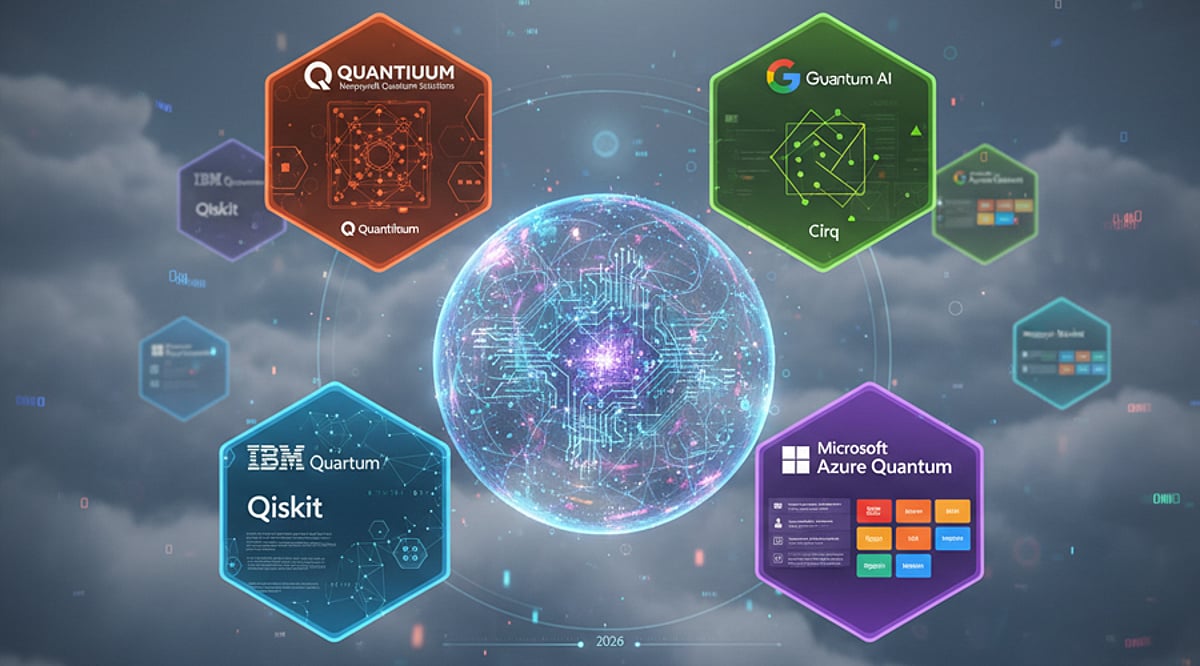
    Quantum computing is rapidly emerging as a transformative field, and 2026 offers an abundance of free resources for beginners eager to dive in. From industry giants like IBM, Microsoft, and Google to academic platforms such as edX and Coursera, learners can access high-quality courses without spending a dime. Below is a curated list of the best free quantum computing courses and learning platforms available this year.

    IBM Quantum Learning

    IBM’s free learning platform remains a premier starting point for newcomers. It covers the fundamentals of quantum mechanics, quantum circuits, and Qiskit programming. Learners gain hands-on experience by accessing real quantum computers through the cloud. Interactive labs and guided learning paths help bridge theory and practical skills.

    Microsoft Azure Quantum Learning

    Microsoft offers free modules that introduce quantum computing concepts, quantum algorithms, and the Azure Quantum ecosystem. The content includes quantum-inspired computing and programming fundamentals via structured tutorials. The self-paced format is ideal for students, developers, and tech enthusiasts entering the field.

    Google Quantum AI Resources

    Google provides free educational materials explaining quantum computing principles, qubits, error correction, and quantum algorithms. Resources include research articles, tutorials, videos, and open-source tools, helping learners understand how quantum differs from classical computing while staying current with cutting-edge developments.

    Qiskit YouTube Channel and Documentation

    IBM’s Qiskit documentation and YouTube tutorials offer an accessible path into quantum programming. Learners explore quantum gates, circuits, simulations, and algorithms through detailed examples. The active developer community contributes additional tutorials, projects, and troubleshooting guides for self-paced study.

    edX Quantum Computing Courses

    edX hosts several free audit courses from leading universities covering quantum mechanics, computing principles, and introductory programming. While certificates require payment, all course materials are freely accessible. These structured academic programs combine lectures, quizzes, and assignments, making them ideal for university-level instruction.

    Coursera Free Audit Courses

    Coursera allows learners to audit many introductory quantum computing courses from top universities at no cost. Topics include foundational theories, quantum algorithms, and applications in computing and cryptography. Auditing provides access to video lectures and reading materials, offering an affordable way to start learning.

    Class Central Course Directory

    Class Central aggregates free quantum computing courses from universities, educational platforms, and tech companies worldwide. Rather than offering a single course, it helps learners compare ratings, duration, difficulty, and providers. This makes it easy for beginners to find the most suitable learning path in 2026.

    Whether you’re a student, developer, or hobbyist, these free resources provide a solid foundation in quantum computing without financial barriers. Start exploring today and build skills for the next computing revolution.

  • Google’s ‘Frozen v2’ Chip Targets Gemini AI Efficiency Gains, Deployment Targeted for 2028

    Google’s ‘Frozen v2’ Chip Targets Gemini AI Efficiency Gains, Deployment Targeted for 2028

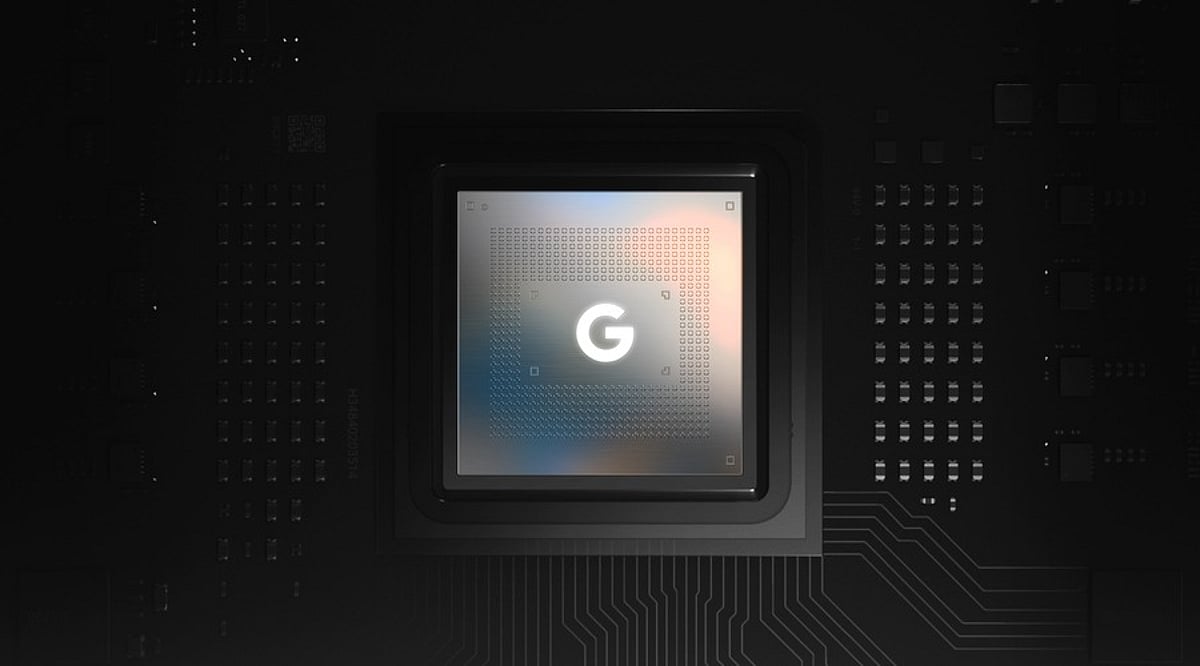
    Google is reportedly developing a new server chip optimized specifically for its Gemini artificial intelligence models. Internally referred to as ‘Frozen v2’, the chip is designed to integrate core elements of Gemini’s architecture directly into the hardware, according to a report from The Information.

    This initiative underscores Google’s strategy to build bespoke infrastructure for its AI services. As demand for Gemini accelerates, the company aims to increase AI output while reducing computing power and electricity consumption.

    Frozen v2 Could Deliver Major Efficiency Gains

    The proposed chip is expected to minimize data movement and processing decisions during AI inference. These improvements would enhance the efficiency of serving Gemini models to users.

    According to the report, “Frozen v2 could deliver six to 10 times greater efficiency than Google’s latest custom AI chips when measured by the number of AI tokens generated per unit of power. Engineers are still working on the final design and deciding how much of the Gemini model architecture should be hardwired into the chip.”

    Google may deploy the new chip as early as 2028, though the timeline could shift as development continues. The company has not made any official statement. Notably, the Frozen project is intended to complement Google’s existing Tensor Processing Units (TPUs) rather than replace them, potentially creating a family of chips for AI processing.

    AI Computing Shortage Drives Infrastructure Push

    The chip development comes amid mounting pressure on Google’s AI computing capacity. Surging demand for Gemini services has reportedly caused internal strain and forced Google Cloud to turn down some external deals.

    A semiconductor chip based on Gemini would allow Google to perform more AI tasks with fewer computing resources, and also reduce the energy costs associated with generating AI tokens.

    Google’s overall strategy involves custom TPUs and other in-house semiconductors. The Frozen v2 version would be even more specialized by embedding architectural elements into the chip.

  • Google Employees Mobilize: 4,500+ Sign Petition to CEO Sundar Pichai Over AI-Driven Job Security Fears

    Google Employees Mobilize: 4,500+ Sign Petition to CEO Sundar Pichai Over AI-Driven Job Security Fears

    More than 4,500 Google employees have formally petitioned CEO Sundar Pichai, urging the company to implement stronger job protections as it ramps up investment in artificial intelligence. The petition, delivered by members of the Alphabet Workers Union, represents one of the largest employee-led movements in the company’s recent history.

    The workers’ concerns center on the growing disconnect between Google’s aggressive AI expansion and the ongoing layoffs affecting staff worldwide. The petition demands concrete measures, including guaranteed severance packages, voluntary buyout options before any compulsory layoffs, and reforms to Google’s performance review system.

    Alphabet Workers Union President Parul Koul criticized the company’s priorities, stating, "These layoffs and cuts are not difficult decisions, but simply profit being put over the people that make this company run." Koul accused Google of valuing shareholder returns above employee welfare, despite the company’s rising share price.

    Google has not announced any new layoffs directly linked to the petition. In previous statements, the company has maintained that AI is designed to enhance worker productivity, not replace human roles. However, the petition underscores persistent anxiety among employees as Google deepens its AI commitments.

    The movement gained further visibility when approximately 100 employees gathered outside Google’s campus to show solidarity. The petition has been delivered to Pichai’s office, signaling a clear demand for leadership to address job security in the age of AI.

  • Google and YouTube Release Free Digital Wellbeing Guidebook for Indian Families to Foster Healthy Tech Habits

    Google and YouTube Release Free Digital Wellbeing Guidebook for Indian Families to Foster Healthy Tech Habits

    Google and YouTube have unveiled the Digital Wellbeing Guidebook for Indian Families, a free resource designed to help parents, caregivers, and educators guide children through the digital world. Developed with input from mental health, child development, and education experts, the guidebook addresses the unique needs of Indian households.

    Tailored for Indian Households

    The guidebook acknowledges that many Indian families share smartphones and tablets among members. Instead of simply advocating reduced screen time, it offers practical strategies for navigating privacy, child safety, and age-appropriate content in shared-device environments. Google emphasizes ongoing parent-child conversations and collaborative boundary-setting rather than unilateral restrictions.

    Expert-Backed Recommendations

    Created in consultation with specialists from the National Institute of Mental Health and Neurosciences (NIMHANS), Fortis Healthcare, and education experts, the guidebook provides actionable tips such as establishing technology-free zones, creating family media agreements, and modeling positive online behavior. The aim is to translate research into everyday practices.

    Built-In Safety Features

    The resource highlights Google’s existing digital wellbeing tools, including supervised YouTube and YouTube Kids sessions, Family Link parental controls, the Family Center, Take a Break reminders, Bedtime and School Time modes, and the ‘Who’s Watching’ feature. This last tool enables multiple family members to use the same device while preserving individual privacy and enhancing child safety.

    Promoting Responsible Technology Use

    With this guidebook, Google and YouTube encourage families to focus on responsible technology use rather than solely limiting screen time. Through open communication, realistic expectations, and thoughtful decision-making, the companies believe families can build healthy digital habits that integrate seamlessly into daily life.

    The guidebook is available for free download and represents a significant step toward empowering Indian families to navigate the digital age safely and effectively.

  • Today’s Tech Roundup: Google’s New AI Chip, Transition VC Fund, IT Hiring Shifts & Crypto Funding

    Today’s Tech Roundup: Google’s New AI Chip, Transition VC Fund, IT Hiring Shifts & Crypto Funding

    Good morning, tech fam! Here are the biggest headlines making waves today, from artificial intelligence and startup funding to hiring trends, global AI competition, and cryptocurrency.

    Google’s New AI Chip Could Make Gemini Faster and Smarter

    Google is reportedly building a new AI chip called Frozen v2 to run Gemini more efficiently. The chip promises better performance while using less power, potentially reducing Google’s reliance on external hardware and strengthening its AI infrastructure in the coming years.

    Transition VC Expands Support for Energy Startups

    Transition VC has launched its Rs. 1,500 crore Fund II to invest in energy technology startups across India. The fund aims to help early-stage companies grow, build clean energy solutions, and accelerate innovation in the country’s energy sector.

    IT Firms Change Hiring Plans as Freshers Face Longer Waits

    India’s IT hiring landscape is shifting: companies are slowing campus recruitment, delaying joining dates, and linking offers to business demand. Firms now prioritize graduates with AI and deep tech skills, leaving many freshers with longer waits and fewer entry-level opportunities.

    Countries Driving the Global AI Race in 2026

    The global AI race in 2026 is led by nations investing in research, chips, talent, and robust digital systems. The United States and China remain ahead, while the UK, Singapore, Canada, and India continue to grow through innovation, skilled workers, and government support.

    Luxxfolio Raises $1.55 Million for Crypto Expansion

    Luxxfolio has completed a $1.55 million private placement by issuing 7.77 million units. The company plans to use the funds to grow its crypto projects, support Litecoin mining, and meet general business needs while offering warrants to investors.