Tag: India

  • Amazon Flags Growing AI Scam Danger for India’s New Online Users

    Amazon Flags Growing AI Scam Danger for India’s New Online Users

    India’s rapid digital expansion is exposing millions of first-time online shoppers to increasingly sophisticated artificial intelligence scams. Amazon warns that low consumer awareness now presents a major challenge as e-commerce reaches smaller cities.

    The company views education as equally important as technical protection. Fraudsters can use generative AI to produce convincing identities, forged documents, synthetic reviews, and targeted phishing messages.

    AI Fraud Threat Grows Beyond Major Cities

    Rohan Oommen, Amazon’s vice president for customer and partner trust, says India differs sharply from mature e-commerce markets. The country still adds large numbers of first-time users from tier-2 and tier-3 cities.

    “India has a large number of first-time users entering the digital economy. Awareness is much lower, which makes education a significant part of the solution,” Oommen said.

    In established markets such as the United States, online shopping adoption has largely stabilised. India’s expanding user base creates commercial opportunities but also widens the pool of potential fraud targets.

    New shoppers may have limited experience identifying suspicious links, fake customer service calls, impersonation attempts, or manipulated reviews. These risks increase as fraud tools become cheaper and easier to operate.

    Behavioral Data Strengthens Detection

    Meanwhile, Amazon is using artificial intelligence to identify abuse across its marketplace. The company deploys automated systems, including agentic AI, to conduct continuous audits and detect unusual activity.

    Oommen said behavioural patterns provide stronger fraud signals than submitted documents or images. Bad actors can fabricate identification records, seller profiles, and product information using generative tools.

    “Behaviour is much harder to fake than documents or images,” he said. Amazon’s systems analyse years of seller and customer activity to distinguish legitimate behaviour from coordinated abuse. The models can flag suspicious account changes, review manipulation, unusual transactions, and other high-risk patterns.

    The same technology strengthening criminal tactics can also improve platform monitoring. However, automated detection still requires human oversight, enforcement processes, and cooperation with external authorities.

    Phone Scams Remain Harder to Trace

    Additionally, Amazon’s latest Trustworthy Shopping Experience Report highlights the scale of its fraud enforcement. The company removed nearly 300 million fake reviews globally during the reported period.

    Amazon also removed about 70,000 phishing websites and acted against roughly 14,000 phone numbers linked to scams. Oommen said phone-based fraud presents a tougher enforcement challenge than fraudulent websites.

    Investigators can often identify website infrastructure, hosting records, and digital links more easily. Phone scams create attribution problems, especially when criminals use spoofed numbers or rapidly changing communication channels.

    Amazon says it does not wait for new regulations before acting against fraud. Its response includes automated detection, account enforcement, consumer education, and cooperation with law enforcement agencies.

  • 12 Indian Stocks That Top Brokerages Are Betting On in 2026

    12 Indian Stocks That Top Brokerages Are Betting On in 2026

    Overview

    India’s stock market has shown resilience in 2026 despite global uncertainties, volatile crude oil prices, and foreign institutional investor outflows. While valuations in some segments have become challenging, top brokerage firms such as Goldman Sachs, Axis Securities, and InCred Equities continue to identify high-conviction investment opportunities in banking, telecom, infrastructure, manufacturing, and consumer sectors. The common investment theme is India’s growth story, earnings visibility, and government capital expenditure.

    Top Brokerage Picks for 2026

    Here are 12 stocks consistently recommended by these brokerages in 2026:

    1. ICICI Bank

    ICICI Bank remains a top pick due to robust loan growth, improving asset quality, and superior return ratios. Analysts believe the private sector bank is well-positioned to capitalize on strong credit demand while maintaining healthy margins.

    2. Bharti Airtel

    The telecom company is favored for its strong earnings growth driven by tariff hikes, premium customer additions, and increased data usage. Its enterprise and digital businesses are also expected to contribute significantly.

    3. Bajaj Finance

    Bajaj Finance continues to attract domestic brokers with its diversified loan book and strong execution. The company is expanding its customer base while maintaining good asset quality, supporting faster earnings growth relative to peers.

    4. Kotak Mahindra Bank

    Brokerages expect Kotak Mahindra Bank to benefit from better deposit accumulation and credit growth. Its conservative balance sheet, strong capital adequacy, and expanding retail operations make it a solid long-term banking investment.

    5. Larsen & Toubro (L&T)

    Infrastructure investment is a major theme in India, and L&T continues to secure strong orders both domestically and internationally. Goldman Sachs recently reiterated its bullish view after the company reported strong quarterly results.

    6. Avenue Supermarts (DMart)

    Organized retail remains a compelling story in India despite short-term fluctuations in consumer spending. DMart’s efficient business model and profitable operations continue to draw positive analyst views.

    7. Varun Beverages

    Consumer spending is a long-term investment theme. Varun Beverages is expanding capacity and strengthening its presence in domestic and international markets. High summer demand and new product launches are boosting earnings.

    8. Axis Bank

    InCred Equities has a positive outlook on Axis Bank based on profitability and credit growth. The bank is expected to gain from increasing retail and corporate lending in India.

    9. GE Vernova T&D India

    This power transmission equipment producer has emerged as an attractive infrastructure stock due to rising capital expenditure in power transmission and renewable energy. Analysts highlight strong order prospects amid growing electricity transmission infrastructure.

    10. State Bank of India

    India’s largest public sector bank is poised to benefit from improving credit quality, profitability, and strong loan growth. Analysts believe SBI is well-positioned to ride the wave of capex-driven economic growth.

    11. Reliance Industries

    Reliance continues to attract bullish views due to its diversified earnings profile spanning energy, telecom, retail, and new energy businesses. Analysts expect value creation from multiple segments while maintaining healthy cash generation.

    12. Eternal (formerly Zomato)

    Eternal has appeared among Axis Securities’ preferred ideas as India’s digital consumption story evolves. Growth in quick commerce, food delivery, and improving operating leverage keep the company on analysts’ radar despite premium valuations.

    Investment Outlook

    Three major themes emerge from these recommendations. The financial services sector remains the largest investment choice, driven by optimism about India’s multi-year credit cycle. Infrastructure and industrials benefit from consistent government spending and manufacturing growth. The consumption sector and tech firms are becoming more attractive with rising income levels and future demand.

    Brokerage advice is based on dynamic estimates of earnings, valuation, and macroeconomic conditions. While all 12 companies have solid fundamentals and prospects, individual diversification and risk management are essential. Goldman Sachs, Axis Securities, and InCred Equities demonstrate that the Indian growth story is far from over.

    Frequently Asked Questions

    Which brokerages recommended these 12 stocks?

    Goldman Sachs, Axis Securities, and InCred Equities identified these companies based on earnings potential, valuations, sector leadership, and growth outlook.

    Which sectors dominate the recommendations?

    Banking, telecom, infrastructure, consumer, retail, industrial, and financial services sectors account for most high-conviction brokerage recommendations in 2026.

    Why are analysts bullish on these stocks?

    Strong earnings growth, healthy balance sheets, India’s economic expansion, and improving business fundamentals support positive long-term investment expectations.

    Are these stocks suitable for long-term investors?

    Most recommendations target long-term wealth creation, though investors should evaluate personal risk tolerance before making investment decisions.

    Should investors rely only on brokerage recommendations?

    No. Investors should combine brokerage research with personal financial goals, diversification strategies, and independent analysis before investing.

    Disclaimer: This article is for informational purposes only and does not constitute investment advice. Always conduct your own research before making investment decisions.

  • Top Crypto Cards in India for 2026: A Comprehensive Buyer’s Guide

    Top Crypto Cards in India for 2026: A Comprehensive Buyer’s Guide

    Cryptocurrency cards have become a practical payment option for many users in India. These cards bridge digital assets with everyday spending, allowing quick payments at stores, restaurants, travel websites, and online platforms that accept Visa or Mastercard. Instead of selling crypto through an exchange before every purchase, cardholders can complete transactions with a single swipe or tap. This simple process saves time and offers greater convenience.

    The Indian market now offers several crypto card options with different rewards, supported assets, fees, and spending limits. Some cards focus on cashback in cryptocurrency, while others provide travel benefits, premium memberships, or lower conversion charges. A careful comparison helps cardholders select a card that matches personal spending habits and financial goals.

    How Cryptocurrency Cards Work

    A cryptocurrency card links to a crypto wallet rather than a traditional bank account. The wallet stores digital assets such as Bitcoin, Ethereum, or stablecoins. At the time of payment, the card provider converts the selected cryptocurrency into local currency. The merchant receives the payment in Indian Rupees or another supported currency, while the crypto balance decreases by the purchase amount.

    Most providers also offer mobile applications with balance tracking, transaction history, security controls, and asset management. Many cards allow users to switch between different cryptocurrencies before a transaction. This feature adds flexibility without extra steps during checkout.

    Key Features That Matter

    The popularity of crypto cards can largely be attributed to the incentives users get for using them. Several companies offer crypto cards that provide a percentage of every retail transaction as digital currency rather than traditional cashback. Over time, such tokens can significantly increase the user’s cryptocurrency balance without any additional investments.

    Equally important is the security provided by modern crypto cards. Most come with two-factor authentication, instant card freezing options, biometric login, and transaction alerts. These features reduce the chances of illicit transactions and enhance the security of crypto wallet activities.

    Another crucial factor is the supported cryptocurrency. Some cards support only a few digital currencies, while high-end cards support various coins and stablecoins. A greater variety enables users to spend their currencies more flexibly.

    Best Cryptocurrency Cards Available in India

    Several international crypto card providers continue to serve eligible Indian users through digital platforms.

    • Crypto.com Visa Card – Popular for attractive crypto rewards, airport lounge access for premium tiers, and support for multiple cryptocurrencies. Higher reward levels usually require larger platform token holdings.
    • Bybit Card – Gained attention with competitive cashback offers, virtual card support, and a simple mobile interface. Smooth crypto management for active traders and frequent users.
    • RedotPay Card – Expanded rapidly across regions. Supports direct crypto spending with competitive conversion rates and multiple digital assets. Straightforward account setup and broad payment acceptance.
    • Wirex Card – Attracts customers with flexible crypto spending, instant currency exchange, and reward programs. Supports both traditional currencies and digital assets.
    • Bitget Card – Targets regular crypto users with multi-currency support, quick wallet integration, and secure payment controls through its mobile app.

    Advantages of Crypto Cards

    Crypto cards simplify daily spending without repeated manual conversions. Grocery shopping, hotel reservations, subscription payments, and travel bookings become easier with direct wallet access. Fast payments reduce delays and create a familiar payment experience.

    Reward programs add another layer of value. Crypto cashback allows users to collect digital assets after each eligible purchase. Over time, frequent spending can build a meaningful crypto balance.

    International travel also becomes more convenient with many crypto cards. Several providers support global payment networks, enabling smooth transactions across multiple countries. Travelers also benefit from lower foreign exchange costs on selected cards.

    Important Points Before Choosing a Card

    Before applying, carefully review supported regions, as service availability can change according to local regulations. Verification requirements differ across providers and often include identity checks before card activation.

    Reward structures deserve close attention. Some cards advertise high cashback rates but require premium subscriptions or platform token staking. Review eligibility conditions to avoid unexpected limitations.

    Security standards should remain a top priority. Strong authentication methods, quick account recovery options, and reliable customer support create a safer experience for digital asset holders.

    Spending limits also matter. Daily transaction caps, ATM withdrawal limits, and monthly purchase limits vary across providers. A card with suitable limits supports smoother financial management.

    Future of Cryptocurrency Cards in India

    The crypto payment sector continues to evolve with stronger technology and better user experiences. More providers now focus on faster settlements, lower transaction costs, and broader cryptocurrency support. Mobile applications also improve with smarter security tools and advanced wallet management.

    Regulatory developments may influence future availability and features within the Indian market. Card providers continue to adapt their services to meet changing compliance standards while expanding payment options for digital asset users.

    Final Thoughts

    Cryptocurrency cards have become an important bridge between digital assets and everyday spending. Strong security, competitive rewards, broad cryptocurrency support, and transparent fee structures separate the best options from ordinary alternatives. Crypto.com Visa Card, Bybit Card, RedotPay Card, Wirex Card, and Bitget Card stand among the leading choices for eligible users in India during 2026. A detailed comparison of features, costs, and supported services helps every cardholder select an option that delivers long-term value and a smooth payment experience.

    Frequently Asked Questions

    What is a cryptocurrency card?

    A cryptocurrency card is a payment card linked to a crypto wallet that converts digital assets into local currency during transactions.

    Can cryptocurrency cards be used for daily purchases in India?

    Yes, eligible crypto cards can be used for everyday payments at merchants, websites, and platforms that accept supported card networks.

    Which cryptocurrency cards are popular in India in 2026?

    Popular options include Crypto.com Visa Card, Bybit Card, RedotPay Card, Wirex Card, and Bitget Card, depending on availability and eligibility.

    Do crypto cards offer cashback or rewards?

    Many crypto cards provide rewards in cryptocurrency, including cashback programs, loyalty benefits, or premium features based on usage levels.

    What should users check before choosing a crypto card?

    Users should review supported regions, fees, security features, supported assets, transaction limits, and reward conditions before applying.

  • Google Pay Launches ‘Ask Google Pay’ AI Assistant in India for Smarter Personal Finance Management

    Google Pay Launches ‘Ask Google Pay’ AI Assistant in India for Smarter Personal Finance Management

    Google Pay has introduced a new AI-powered feature called ‘Ask Google Pay’ in India, designed to help users manage their personal finances more intuitively. Powered by Google’s Gemini AI model, the conversational assistant allows users to interact with the app using natural language—either text or voice—to track expenses, gain spending insights, and learn about financial concepts.

    Gemini AI Brings Conversational Finance to Google Pay

    With ‘Ask Google Pay’, users can pose queries about their expenditures without manually sifting through transaction history. The assistant analyzes spending patterns, clarifies financial jargon, offers savings advice, and even helps compare credit card options based on individual spending habits. The feature supports 10 Indian languages, making it accessible to a broader audience across the country. Users can also ask about SIP investments and CIBIL scores.

    Privacy Controls Remain at the Core

    Unlike some AI platforms that are automatically enabled, ‘Ask Google Pay’ is an optional feature. Users must activate it by turning on “Personalisation within Google Pay,” giving them control over whether their transaction history is used to generate personalized recommendations. Google assures that all financial data processed by the assistant stays within the Google Pay ecosystem and is not shared with third-party apps. The company also states that user data is not used to train any Google AI models. However, the assistant may occasionally generate incorrect responses and should not be considered a replacement for professional financial advisors.

    Expanding AI Beyond Payments

    This launch aligns with Google’s broader strategy of integrating Gemini across its consumer products. Google Pay is evolving from a simple payment app into a comprehensive financial companion that not only facilitates transactions but also provides budgeting help, financial education, and personalized recommendations. The feature is currently rolling out to select Google Pay users in India, with a wider release expected soon.

    India remains a key market for Google’s digital payment services, and the introduction of AI-powered financial assistance highlights the growing convergence of fintech and generative AI. As digital payment platforms compete to offer more intelligent budgeting and spending analysis, ‘Ask Google Pay’ positions Google Pay as a leader in personalized financial guidance.

  • Key CFO Challenges in 2026: Navigating Economic Uncertainty, AI, and Compliance in India and Worldwide

    Key CFO Challenges in 2026: Navigating Economic Uncertainty, AI, and Compliance in India and Worldwide

    Chief Financial Officers in 2026 face a complex landscape marked by persistent economic uncertainty, rapid technological change, and evolving regulatory demands. From inflation and geopolitical tensions to AI adoption and cybersecurity threats, CFOs must balance growth with cost discipline while ensuring financial resilience. This article explores the top challenges and trends shaping the role of CFOs in India and globally.

    Navigating Constant Economic Uncertainty

    CFOs in 2026 grapple with ongoing uncertainty driven by inflation, fluctuating interest rates, geopolitical tensions, and shifting consumer demand. Financial leaders must balance growth with cost discipline while maintaining healthy cash flow. Strategic forecasting, scenario planning, and financial resilience have become essential responsibilities for organizations worldwide, including India.

    AI Adoption Brings Opportunities and Risks

    Artificial intelligence is transforming finance through automation, predictive analytics, and smarter decision-making. However, CFOs must evaluate implementation costs, data quality, governance, and return on investment. Managing AI responsibly while ensuring compliance and workforce readiness remains a top priority for financial leadership in 2026 across industries.

    Regulatory Compliance Keeps Growing

    New financial regulations, tax reforms, ESG reporting requirements, and evolving data privacy laws demand constant attention. Indian and global CFOs must strengthen internal controls, improve reporting accuracy, and stay ahead of compliance obligations. Failure to adapt quickly can increase financial risks, penalties, and reputational damage.

    Cybersecurity Threats Impact Financial Operations

    Finance departments increasingly face ransomware, phishing attacks, and data breaches targeting sensitive financial information. CFOs now work closely with technology leaders to strengthen cybersecurity investments, business continuity plans, and incident response strategies. Protecting financial assets and maintaining stakeholder trust have become strategic business priorities in 2026.

    Managing Costs Without Hurting Growth

    Organizations continue searching for efficiency while investing in innovation and digital transformation. CFOs must identify cost-saving opportunities without reducing customer experience, operational quality, or long-term competitiveness. Careful budgeting, productivity improvements, and smarter resource allocation help businesses maintain sustainable growth despite economic challenges and market uncertainty.

    Talent Shortages Challenge Finance Teams

    Finding professionals with expertise in analytics, AI, financial planning, and digital finance remains difficult. CFOs must invest in employee training, leadership development, and technology that improves productivity. Building adaptable finance teams capable of managing modern financial systems is becoming a competitive advantage across global organizations and India.

    Strategic Leadership Defines Modern CFO Success

    Today’s CFO is no longer limited to financial reporting. Modern finance leaders influence business strategy, digital transformation, sustainability initiatives, and investor confidence. Success in 2026 depends on balancing financial discipline with innovation, embracing technology responsibly, and making informed decisions that support long-term organizational resilience and profitable growth.

  • ZoomMate and AI: Redefining Enterprise Collaboration for Indian Businesses

    ZoomMate and AI: Redefining Enterprise Collaboration for Indian Businesses

    Zoom is transforming from a simple video conferencing tool into a comprehensive platform for collaboration, customer engagement, and workflow automation, powered by artificial intelligence. In an exclusive interview with Analytics Insight, Aayan Banerjee, Head of Enterprise Business-India & SAARC at Zoom, shares how the company is helping Indian enterprises move from fragmented tech stacks to unified systems that drive real business outcomes.

    Banerjee explains that Zoom is evolving into a ‘system of action’ for modern work, designed to seamlessly blend video, voice, collaboration, and intelligent automation across the customer and employee experience. The focus is on turning conversations into outcomes, whether that means resolving a customer issue, closing a deal, or completing a project.

    Key to this vision is ZoomMate, an agentic AI work surface that helps users find relevant information across systems, coordinate actions, and transform conversations into completed work. Combined with Zoom Phone, Zoom Contact Center, and the Zoom AI Productivity Suite (including Canvas, Slides, and Sheets), organizations can reduce fragmentation and simplify operations.

    In India, Banerjee notes a strong demand for platform consolidation. Businesses are moving away from disconnected communication and customer engagement tools toward unified experiences. This is especially critical in sectors like BFSI and healthcare, where resolution speed is a competitive differentiator.

    Zoom’s AI Companion is embedded across the platform, helping users surface insights and action items. Zoom Phone unifies employee communications, while Zoom Contact Center connects customer interactions across voice, video, messaging, and digital channels. Together, these tools ensure context remains connected, reducing operational overhead and freeing teams to focus on high-value work.

    Banerjee highlights India as a strategic growth market, citing examples like Lenskart, which uses Zoom Contact Center for remote eye tests. Other features like Zoom Revenue Accelerator help sales teams gain conversation intelligence, and Zoom Events enables immersive hybrid experiences. With local phone number support and availability across six telecom circles, Zoom is well-positioned to help Indian enterprises reduce friction and accelerate outcomes.

  • India’s Top 10 Fintech Companies Driving Financial Inclusion in 2026

    India’s Top 10 Fintech Companies Driving Financial Inclusion in 2026

    India’s fintech revolution has transformed digital finance through UPI, AI, and mobile-first innovation. From payments and investing to insurance and lending, the country’s top 10 fintech companies are driving financial inclusion, serving millions of users, and reshaping the future of banking.

    Overview

    India processes over 13 billion UPI transactions monthly, with the fintech market expected to exceed $150 billion by 2025, highlighting its rapid digital finance growth. The top 10 fintech firms lead payments, investing, insurance, and lending, serving millions of users while reshaping India’s financial ecosystem. AI, UPI, Aadhaar, and the Account Aggregator framework power these platforms, enabling faster services, smarter lending, and greater financial inclusion across India.

    The Leaders Redefining India’s Financial Landscape

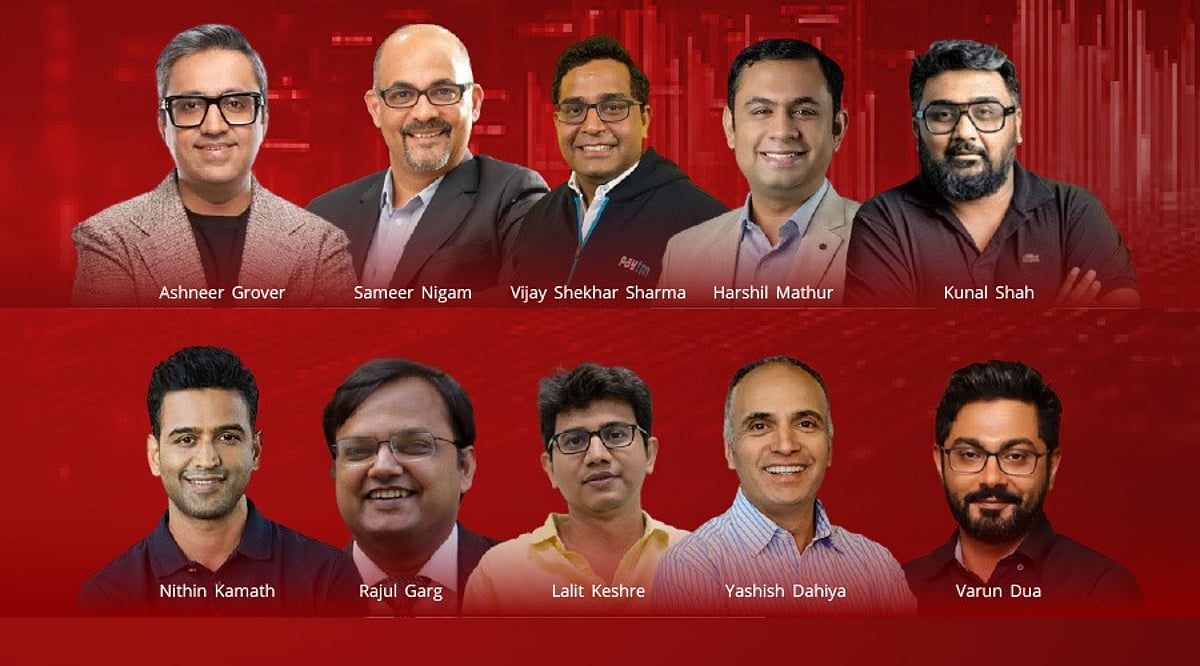
    PhonePe

    PhonePe stands as India’s largest digital payments platform. Founded in 2015 by Sameer Nigam, Rahul Chari, and Burzin Engineer, it commands the UPI ecosystem with over 600 million registered users. The company’s revenue crossed ₹5,000 crore in FY24. Its platform spans payments, insurance, digital gold, and mutual funds. An IPO targeting a valuation between $9 billion and $10.5 billion remains on the horizon.

    Paytm

    Vijay Shekhar Sharma founded Paytm in 2000, making it one of India’s oldest fintech institutions. It began as a mobile recharge tool and expanded into wallets, merchant payments, lending, and wealth management. Annual revenues hover above ₹7,000 crore. Despite regulatory headwinds in recent years, Paytm holds a deep merchant network that keeps it embedded in India’s payment infrastructure.

    Razorpay

    Harshil Mathur and Shashank Kumar launched Razorpay in 2014 to solve a clear gap: businesses needed a reliable, developer-friendly payment gateway. The company now processes over $150 billion in annual payment volume and carries a valuation of approximately $7.5 billion. Its product suite covers payment gateways, business banking, payroll automation, and lending products used by thousands of Indian startups and enterprises.

    CRED

    Kunal Shah founded CRED in 2018 around a single insight: financially responsible people deserved better rewards. The platform targets high-credit-score users, offering reward points for credit card bill payments and expanding into personal loans, rent payments, and vehicle services. CRED’s valuation stands at around $6.4 billion, with estimated revenues crossing ₹2,000 crore in FY24.

    Zerodha

    Nithin Kamath and Nikhil Kamath built Zerodha in 2010 to lower the cost of investing. Discount brokerage and a clean trading interface on the Kite platform democratized equity markets for millions of retail investors. Revenue crossed ₹6,000 crore, and the company’s valuation sits between $3 billion and $4 billion. Zerodha remains profitable without external funding, which sets it apart in a sector that often burns capital for growth.

    Groww

    Lalit Keshre, Harsh Jain, Neeraj Singh, and Ishan Bansal founded Groww in 2016 to make investing simple for first-time users. The platform covers mutual funds, stocks, ETFs, IPOs, and fixed deposits under one roof. Its clean design and financial literacy focus helped it attract millions of young investors. Groww became a unicorn and continues expanding its wealth-tech offerings across India.

    Pine Labs

    Pine Labs traces its roots to 1998, making it one of the sector’s most seasoned players. Founded by Rajul Garg, the company built a merchant payment ecosystem spanning over one million touchpoints. Its POS machines and digital finance products serve retail chains and small merchants alike. Valuations range between $5 billion and $6 billion. Pine Labs bridges the offline and online commerce divide at meaningful scale.

    PB Fintech

    Yashish Dahiya founded PB Fintech in 2008, and it operates two major platforms: Policybazaar and Paisabazaar. Policybazaar became India’s largest online insurance marketplace, while Paisabazaar helps consumers compare loans and credit products. The company reported revenue growth of 33% year-on-year in recent results. Its market capitalization ranges between $4 billion and $5 billion.

    BharatPe

    Ashneer Grover and Shashvat Nakrani launched BharatPe in 2018 to serve a neglected segment: small merchants. The company introduced zero-fee UPI QR codes for shopkeepers and followed up with merchant loans and POS solutions. Its revenue surpassed ₹1,000 crore, and its merchant network now covers millions of micro and small retailers. BharatPe remains central to financial access for India’s informal business sector.

    ACKO

    Varun Dua founded ACKO in 2016 to reinvent insurance distribution. Traditional agents and lengthy paperwork gave way to a mobile-first platform where users buy, renew, and claim policies entirely online. ACKO offers motor, health, and travel insurance with faster claim settlements. Its digital-first model has attracted a growing customer base, and the company stands among India’s most prominent insurtech names.

    What These Leaders Share

    Several common threads run through all ten companies on this list: each built its product around mobile-first access, reaching users traditional banks could not. All ten leverage UPI, Aadhaar, or the Account Aggregator framework as foundational infrastructure. AI now powers credit scoring, fraud detection, and customer support across most platforms. Financial inclusion remains a stated goal, whether the customer is a salaried professional or a street-side vendor.

    Final Words

    India’s top fintech leaders did not simply build successful businesses. They rewired how a nation of 1.4 billion people manages money. Each company on this list solved a specific friction point, whether that was payment acceptance for merchants, affordable brokerage for retail investors, or instant insurance for urban professionals. The result is a financial ecosystem that is faster, cheaper, and more accessible than it was even five years ago. The next phase will demand more: regulatory clarity, sustainable unit economics, and deeper penetration into rural markets. The foundations, however, are already strong. India’s fintech sector enters the second half of this decade not as a promising experiment but as a proven engine of economic transformation. The names above have earned their place at the forefront. Now comes the harder task of staying there.

  • Women in Fintech: How Female Leaders Are Driving Innovation and Inclusion in India

    Women in Fintech: How Female Leaders Are Driving Innovation and Inclusion in India

    By Santosh Kadali

    A Sector Built on Access, Now Building for Women

    Fintech in India carries a promise of inclusion at its core. It brings banking and credit to people who never had easy access to either. Women sit at the center of this story directly. President Droupadi Murmu made this point clear at the Black Swan Summit in Bhubaneswar earlier this year. She said India’s fintech journey should be remembered not just for innovation, but for inclusion and gender justice.

    She further shared a striking number too. India has opened over 57 crore Jan Dhan accounts, and more than 56 percent of them belong to women. This detail shows something simple. Financial technology, when built with intent, can close old gaps in access instead of widening them.

    Funding Tells a Mixed Story

    Women-led fintech startups have started to draw serious investor interest. The numbers still show a clear gap, though. In 2024, women-led startups across India raised close to $5 billion. That sum made up 15.2 percent of all funding that went to women-led startups worldwide that year. Fintech stood out as the top sector within that total. It pulled in close to $267 million across 136 deals.

    A report from the Department for Promotion of Industry and Internal Trade found something worth noting. 42 percent of fintech startups in India have at least one woman director or founder. That figure runs well ahead of India’s broader corporate sector, where women hold just 18 percent of board seats. Growth has not stayed limited to big cities either. Women-led fintech ventures outside Tier-1 cities grew by 44 percent over the last decade, says the Ministry of Commerce and Industry.

    The Leadership Gap Still Runs Deep

    Progress at the founder level has not carried over fully into top leadership. Industry research from 2023 to 2025 shows a clear pattern. Women hold fewer than 15 percent of top jobs at Indian fintech firms. The share of women among founders and co-founders sits even lower, close to 10 to 12 percent. Representation drops further still in investment and business-decision roles.

    A KPMG India and AIMA survey from 2026 paints a similar picture across corporate India as a whole. The survey found that 79 percent of women professionals want leadership roles. Only 1 percent of them currently hold a board-level position though. Women now hold 20 percent of leadership roles in mid-market companies, up from 13 percent in 2016.

    This gain matters, though it still falls far short of real parity. The survey’s authors point to a clear reason behind this gap. Structural design, inconsistent execution and uneven accountability across companies keep women from moving past mid-career roles into senior ones. This happens even when ambition and talent are both present.

    Women Leaders Setting the Pace

    Individual leaders across India’s fintech space show what this progress looks like in real terms. Roshni Aslam, co-founder of GoSats, has helped build India’s first rewards app that gives users Bitcoin and gold on their purchases. The platform has grown past 1.1 million users under her work. Stories like hers keep showing up across the sector now, from payments and lending startups to wealth-tech platforms.

    Voices from the wider fintech industry echo the same point about what these leaders bring to the table. Maya Kumar, an executive at fintech firm Banked, has said diversity brings a range of perspectives that form the base of purpose-driven innovation.

    She added that the role women play in driving the sector’s next phase of growth deserves real weight. This kind of leadership shapes more than who runs fintech companies. It shapes how the products themselves get built, tested and delivered to a wide range of users.

    Final Thoughts

    India’s fintech sector stands at a turning point. It has already shown that technology can widen financial access at scale. The next stage of its growth will bring credit expansion, wealth creation and AI-driven finance. This stage will test something important. Can the industry widen access at the leadership level too? Women have already shown their ability to build products, raise funding and lead companies in this space.

    Closing the remaining gaps in senior leadership and investment decisions will decide something bigger. It will decide whether fintech in India truly serves everyone it claims to serve, or keeps its biggest rewards limited to a narrow few. The answer will shape not just the industry’s growth, but its legacy too.

    FAQs

    1. Why are women important to India’s fintech sector?

    Women are driving innovation, building successful startups, improving financial inclusion, and designing products that better serve a diverse customer base across India.

    2. How many fintech startups are there in India?

    India has more than 10,000 fintech startups, making it one of the world’s fastest-growing fintech ecosystems with strong growth in digital payments and financial services.

    3. What challenges do women face in the fintech industry?

    Despite progress, women remain underrepresented in senior leadership, board positions, investment decision-making, and founder roles due to structural and organizational barriers.

    4. How are women-led fintech startups performing in India?

    Women-led fintech startups are attracting increasing investor interest, with fintech emerging as one of the top-funded sectors among women-led ventures in recent years.

    5. What is the future of women in India’s fintech industry?

    As fintech expands into AI-driven finance, digital lending, and wealth management, greater representation of women in leadership and investment roles will be key to building a more inclusive financial ecosystem.

  • Top Kid and Teen Savings Accounts in India for 2026: Which Bank Fits Your Child’s Stage

    Top Kid and Teen Savings Accounts in India for 2026: Which Bank Fits Your Child’s Stage

    Choosing the right savings account for a child goes beyond interest rates. Age rules, parental controls, and digital access shape how the account works over time. Comparing these features across banks helps families pick an account that matches their child’s developmental stage, building saving habits while preparing teenagers for greater financial independence.

    What Sets One Account Apart from Another

    Four factors decide whether an account works well for a specific child:

    • Age eligibility determines whether the account must run through a guardian or can be handled independently.
    • Minimum balance rules vary widely. Several minor accounts offer zero-balance options while others expect a few thousand rupees each month.
    • Documentation requirements shift: guardian-operated accounts typically need the guardian’s KYC and the child’s birth certificate; teen accounts often require the minor’s own PAN or Aadhaar.
    • Conversion at 18: almost every bank requires the account to convert into a standard savings account once the child turns 18, along with fresh KYC.

    Interest rates are worth a glance, but most minor accounts sit in a similar range, so this factor rarely changes the decision on its own.

    How Accounts Work for Younger Children

    For children below the self-operation age, a parent or legal guardian typically runs the account. Deposits, withdrawals, and any card requests go through the guardian, since a young child cannot independently enter into a banking contract. There is no separate transaction access for the child, which keeps things simple: one signatory, full visibility, and an easy way to build a saving habit through regular, visible deposits.

    How Teen Accounts Build Toward Independence

    When a child reaches the age of self-operation, many banks provide the ability for children to operate the account themselves. They can be issued a debit card, have access to mobile banking and internet banking, and make transactions without guardian approval for each one. However, restrictions remain:

    • Minor debit cards typically have lower daily withdrawal and spending limits than adult cards.
    • Some banks also impose annual limits.
    • When limits are exceeded, the bank may temporarily restrict certain account activity.
    • Parents or guardians generally continue to receive transaction alerts, even when they don’t need to approve each transaction.

    Comparing India’s Major Banks

    • SBI runs a two-tier system: a joint account for children of any age and a self-operated version once the child can sign consistently, generally from age 10.
    • ICICI Bank follows a similar split, with its self-operated teen product offering some of the more detailed transaction controls among major banks.
    • HDFC Bank keeps the process straightforward, moving a child from a guardian-run account to self-operation at the same age threshold most competitors use.
    • Axis Bank pairs its minor account with personal accident insurance, a feature not every bank includes by default.
    • Kotak Mahindra Bank leans toward lifestyle benefits and discounts alongside the core savings product, appealing to families who value perks over early independence.

    Exact limits and balance requirements shift periodically across all five, so confirming current terms directly with the bank remains the safer approach before opening any account.

    Choosing Based on the Child’s Stage, Not the Bank’s Name

    The clearest way to decide is to ask: does the child need protection or practice? Younger children benefit most from a guardian-run account that builds visible saving habits without introducing spending access too early. Teenagers benefit from a self-operated account with capped, supervised independence, where real financial habits take shape. Families with a child nearing 18 should check the bank’s conversion process well in advance, since some require fresh documentation that takes time to arrange.

    Common Mistakes Worth Avoiding

    • Choosing an account by interest rate alone, overlooking whether the operation type suits the child’s age.
    • Granting debit access too early, before a child is ready to manage it responsibly.
    • Skipping documentation checks, then finding an application stalled over a missing PAN or Aadhaar.
    • Ignoring the 18th birthday conversion entirely, leaving a teenager with a frozen account right when independence matters most.

    n

    Final Thouight

    Banking habits formed at ten often outlast the account itself. The product a family picks today matters less than the discipline it quietly teaches along the way — a lesson most balance sheets never capture, but most adults remember clearly.

    Frequently Asked Questions

    What is a minor savings account?

    A minor savings account is a bank account designed for children below 18 years of age. Depending on the bank and the child’s age, it may be operated by a parent or guardian or, in some cases, by the minor under specific conditions.

    Can teenagers open a savings account without a parent?

    Many banks allow older teenagers to operate savings accounts independently, subject to their age and the bank’s eligibility rules. Younger children generally require a parent or guardian to open and manage the account.

    What should parents consider before choosing a kids’ savings account?

    Parents should compare age eligibility, parental controls, minimum balance requirements, digital banking access, debit card availability, fees, and account features that encourage healthy saving habits.

    Which banks offer savings accounts for kids and teenagers in 2026?

    Several leading banks, including SBI, ICICI Bank, HDFC Bank, Axis Bank, and Kotak Mahindra Bank, offer savings accounts designed for children and teenagers with varying features, supervision options, and digital banking services.

    Do kid and teen savings accounts come with debit cards and mobile banking?

    Many banks provide debit cards, mobile banking, and internet banking for eligible minor or teen accounts. However, transaction limits, parental supervision, and available features vary by bank and account type.

  • How Indian CEOs and CHROs Can Forge High-Performing Leadership Teams for 2026

    How Indian CEOs and CHROs Can Forge High-Performing Leadership Teams for 2026

    In 2026, CEOs and CHROs in India will face a new set of business demands. Companies need leaders who can handle fast market changes, new technology, global competition, and rising employee expectations. A strong leadership team will not depend only on senior titles or years of experience. It will need clear vision, sharp business sense, trust, and the ability to make smart decisions at the right time.

    Indian companies now operate in a market where speed and quality matter together. A leader must understand customers, support business goals, and guide teams with confidence. CEOs and CHROs must focus on leadership quality as a core business priority rather than treat it as only a human resource activity.

    Key Takeaways

    • Strong leadership teams need clear goals, shared values, and business-focused thinking.
    • Future leaders require adaptability, digital understanding, and strong people skills.
    • CEOs and CHROs must build systems that support long-term leadership growth.

    Create a Clear Leadership Vision

    It is important to have a defined objective to form a great leadership team. CEOs need to ascertain what they are willing to reach through the company. CHRO can assist in matching the development goals to the leadership capabilities. Some companies fail because their leaders act according to different sets of priorities. One leader may focus on the improvement of production without thinking about costs, while the other may ignore everything except cost control. That is why there needs to be a single vision so that every senior person can think in the same direction.

    Starting from 2026, the leadership teams need to have the right balance between the knowledge of the business and the ability to manage people. A leader needs to be very good at numbers, but at the same time, he or she should have great communication skills and emotional control.

    Choose Leaders With the Right Skills

    CEOs and CHROs must look beyond past success while selecting future leaders. A person with a strong record may not always handle new challenges well. Companies need leaders who can adapt, think clearly, and support change without losing focus. The right leadership team should include people with different skills and views. A mix of backgrounds, professional experiences, and ideas can help companies solve complex problems faster. Diverse leadership groups often make better decisions and understand wider customer needs.

    CHROs can create better talent systems that identify future leaders early. Regular reviews, clear career paths, and fair assessment methods help companies find people with strong potential. This approach helps avoid last-minute leadership gaps.

    Build a Culture of Trust and Accountability

    In a leadership team, trust among members and accountability from the members need to be established. It falls on CEOs to show by their actions what is expected from the members of the leadership team. It is up to senior leaders to enforce ethical conduct, responsibility, and accountability in their daily activities. Accountability is not about pressure without any support; it consists in the ability of leaders to know what is expected from them and to take actions in case the results do not meet the expectations. It is important for good culture to exist because it helps avoid hiding the existing problems.

    CHROs are responsible for creating frameworks that make leaders’ behaviors to be rewarded. Performance evaluations must take into account achievements as well as teamwork, ethics, and development of people.

    Use Technology to Improve Leadership Decisions

    Technology will shape leadership choices in 2026. CEOs and CHROs can use data tools to understand workforce trends, skill gaps, and leadership needs. Better information allows companies to make stronger decisions about people and business plans. Artificial intelligence tools can support talent analysis, but human judgment will remain essential. Leaders must use technology as a support system rather than depend on it for every choice. The best results will come from a mix of data and human understanding.

    Companies also need leaders who understand digital change. Senior teams must know how technology affects customers, operations, and future business models. This knowledge will help leaders prepare their companies for new opportunities.

    Prepare Leaders for Future Challenges

    Leadership development takes ongoing work. Companies cannot wait for good leaders to develop on their own. CEOs and CHROs have to create conditions in which leaders can learn new skills and take on a wider scope of responsibilities. The future of leadership training should be centered around practical business problems, communication, problem solving, and strategic thinking. The exposure to real business enables leaders to better understand the inner workings of the organization and to improve their judgment.

    Mentorship from seasoned leaders can support young executives in their effort to establish their own confidence. Effective leadership encourages the development of strong leaders who are likely to act in the best interest of the company in the future.

    Why This Matters

    Strong leadership teams will decide how well Indian companies perform in 2026 and beyond. Business challenges are becoming more complex, and companies need leaders who can make better decisions, support people, and drive growth. Building capable leadership teams helps organizations stay competitive, improve performance, and prepare for future opportunities.

    The Path Ahead for Indian Companies

    In 2026, leadership quality will separate companies that only survive from companies that achieve lasting success. CEOs and CHROs must treat leadership teams as a major business asset. The focus should remain on clear vision, strong values, smart talent choices, and continuous improvement. Indian companies have a strong opportunity to create leadership teams that match the needs of a changing world. When senior leaders combine business knowledge with people skills, they can create organizations that grow with confidence and purpose. A strong leadership foundation will help companies handle uncertainty and achieve better results in the future.

    Frequently Asked Questions

    Why do companies need stronger leadership teams in 2026?

    Companies need stronger leadership teams to handle market changes, technology shifts, customer demands, and new business challenges with better decisions.

    What role do CEOs play in building leadership teams?

    CEOs set the leadership vision, create accountability standards, and ensure senior teams follow common business goals.

    How can CHROs support leadership development?

    CHROs can identify future leaders, create talent programs, improve assessment systems, and connect leadership skills with business needs.

    What skills will future leaders need most?

    Future leaders will need business knowledge, digital awareness, adaptability, communication skills, and the ability to manage people effectively.

    How does technology help leadership teams?

    Technology helps leaders use better data, understand workforce needs, identify skill gaps, and make more informed business decisions.