Tag: India

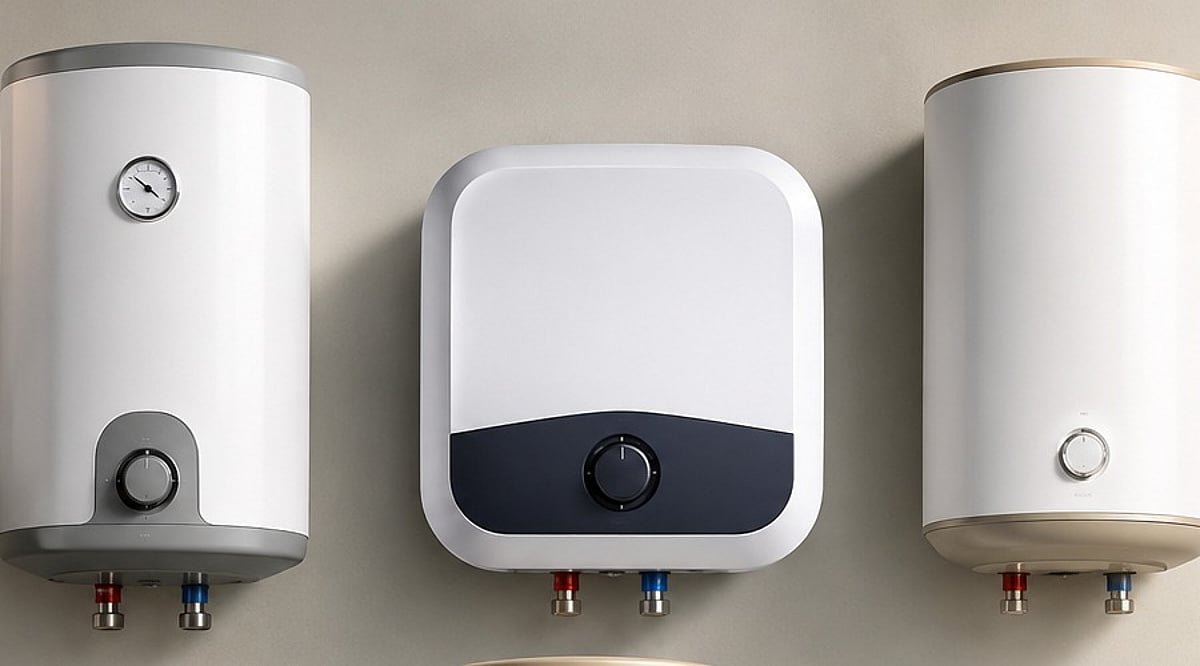
  • Top 7 Water Heaters Under ₹8,000 in India: Best Storage & Instant Geysers for Small Families (2026)

    Top 7 Water Heaters Under ₹8,000 in India: Best Storage & Instant Geysers for Small Families (2026)

    Finding the right water heater under ₹8,000 requires balancing capacity, safety, and long-term durability. This guide compares top storage and instant geysers for small families based on real-world needs. We explain the key features that matter before you buy, helping you avoid common mistakes.

    How to Choose in This Price Band

    • Match capacity to routine, not headcount. A working couple needing two quick showers before 9 am is better served by a 5L instant unit than a 15L tank that takes twenty minutes to reheat.
    • Check pressure rating for apartment buildings with overhead tanks. An 8‑bar rating is built for high‑rise plumbing; homes on normal municipal supply rarely need it.
    • Look at the heating element material. Incoloy generally resists scaling and corrosion better in hard water conditions than copper or nickel‑coated alternatives.
    • Confirm ISI marking on the heating element and thermostat – it signals compliance with Indian safety standards. Thicker PUF insulation cuts reheating frequency and running costs.

    Instant vs Storage

    Storage geysers hold water and reheat continuously, suiting families showering back to back. Instant units heat only what passes through, consuming less energy but may not provide enough hot water for consecutive showers. A household of three or more usually needs a storage tank; one or two rarely does.

    Our Top Picks

    Crompton Arno Neo 15L – Best Overall

    2000W, 5‑star BEE‑rated, nickel‑coated copper heating element. Three‑level safety: capillary thermostat, automatic thermal cut‑out, and multi‑function valve. 8‑bar pressure rating for high‑rise use. Magnesium anode targets hard water corrosion. Mid‑pack warranty compared to competitors.

    V‑Guard Divino DG 15L – Best for Hard Water

    Incoloy 800 heating element and vitreous enamel tank coating built for mineral‑heavy water. Magnesium sacrificial anode, 8‑bar pressure rating, digital display, 5‑year tank warranty. Priced around ₹7,999.

    Activa 15L Heat‑Max – Best Budget Storage

    2000W copper element, 5‑star BEE rating, 8‑bar safety valve. Undercuts most 15L competitors on price. Trade‑off: smaller brand service network.

    Havells Signa 5L – Best Instant

    3000W unit claims under‑5‑minute heating (buyer reviews report ~7‑8 minutes). Twin LED indicators, fire‑retardant power cord. Ideal for kitchens and quick‑shower routines. Priced around ₹3,790.

    Kenstar Radix 5.9L – Runner‑Up Instant

    Four‑level safety: thermostat, thermal cut‑out, pressure release valve, fusible plug. Pressure rating 6.5‑8 bar. Stainless steel inner tank for kitchen use.

    AO Smith VAS Plus 15L – Best Brand Trust

    2000W copper element, corrosion‑resistant tank engineering, strong after‑sales network. Priced at the top edge of budget. BEE star rating – confirm with current listing.

    Buying Mistakes to Avoid

    • Undersizing the tank for sequential family bathing causes the most regret.
    • Skipping hard water protection in mineral‑heavy areas shortens tank life.
    • Choosing a pressure rating below what an overhead‑tank building delivers leads to weak flow and premature valve wear.

    Final Thought

    The right geyser under ₹8,000 is the one whose tank material matches the water coming out of the tap – not the one with the lowest number on the price tag.

    Frequently Asked Questions

    1. What is the best water heater under ₹8,000 for a small family?

    A 10L to 15L storage water heater for a family of two to four members, offering balanced performance, safety, and energy efficiency.

    2. Should I choose an instant or storage water heater?

    Instant for quick tasks or a single shower; storage for consistent hot water with multiple users or back‑to‑back bathing.

    3. What capacity for a family of three to four?

    10L to 15L storage heater, depending on bathing habits and number of bathrooms.

    4. Which features should I look for in a budget water heater?

    ISI‑certified design, thermostat, thermal cut‑off, pressure compatibility, durable inner tank coating, corrosion‑resistant heating element, efficient insulation.

    5. Does a higher‑priced water heater always perform better?

    Not necessarily. The best heater matches your family’s needs and water quality, not just price.
  • Meta Apologizes After Facebook Glitch Briefly Blocks PM Modi Video in India, Restoration Follows

    Meta Apologizes After Facebook Glitch Briefly Blocks PM Modi Video in India, Restoration Follows

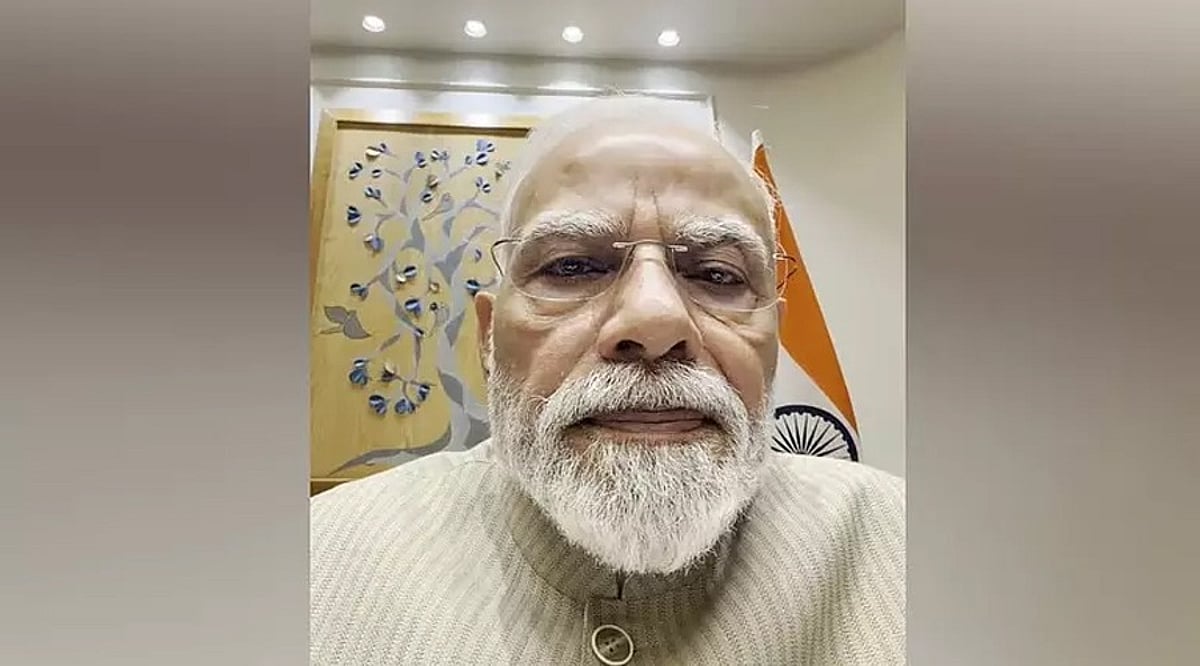
    Meta issued an apology on July 28 after Facebook temporarily blocked a video of Indian Prime Minister Narendra Modi in the country, attributing the removal to a technical glitch. The video, originally posted on July 23, became inaccessible to some Indian users before the company identified the error and restored it.

    Users attempting to view the video encountered a notice stating that Facebook had restricted the content following a legal request, which sparked questions about the unexpected removal. A Meta spokesperson explained, “The content was removed in error and has since been restored.”

    The glitch drew significant attention in India, especially because the video featured the Prime Minister addressing young audiences. In the video, PM Modi discussed plans to introduce tougher laws, fast-track courts, and stricter penalties for those involved in examination paper leaks. He also mentioned that a draft law with stronger measures would be presented to the Union Cabinet.

    Indian government officials have taken the incident seriously and are examining how the video became unavailable. Sources indicate that representatives from Meta may be asked to explain the circumstances behind the removal. According to IANS, the Ministry of Electronics and Information Technology has summoned Meta and Instagram’s global heads over the temporary restriction.

    The video had garnered millions of views before being briefly restricted. Meta has since restored the content and maintains that the removal was a mistake. The incident has raised broader questions about content moderation and how social media platforms handle communications from key government figures.

  • Amazon Aims to Launch Satellite-to-Smartphone Service by 2028

    Amazon Aims to Launch Satellite-to-Smartphone Service by 2028

    Amazon is preparing to take smartphone connectivity beyond traditional mobile networks. The tech giant has proposed a satellite-based direct-to-device (D2D) service that could allow compatible smartphones to make calls, send messages, and access mobile data even in areas without cellular coverage.

    According to filings submitted to the US Federal Communications Commission (FCC), Amazon plans to deploy a constellation of up to 5,105 low Earth orbit (LEO) satellites under its Amazon Leo initiative. If approved, the rollout is expected to begin in 2028.

    Unlike Amazon’s existing satellite broadband service, which requires dedicated ground equipment, the new system is designed to connect directly with compatible smartphones. The company says the network will complement, rather than replace, existing mobile infrastructure.

    Voice Calls, Messaging and Emergency Services

    The following services would include calling, messaging, mobile internet, and emergency services. Amazon plans to partner with telecom providers globally to enable connectivity in areas where it is not easy to build mobile network infrastructure. According to the company, this technology may prove useful for industries like logistics and IoT applications.

    How the Satellite Network Will Work

    Amazon’s system of satellites will be operating in five different orbital planes to offer coverage not only to inhabited zones but also to high and near-polar latitudes. L-band and S-band frequencies will enable communication between the smartphones and the satellites. Ka-band and V-band frequencies will connect the satellites to the internet via ground infrastructure. Additionally, Amazon intends to process the network traffic in space, thus decreasing potential signal interference.

    India Among Key Focus Markets

    Amazon has identified India as one of its priority markets as it expands its satellite ambitions. The company has cited India’s rapidly growing digital economy and the need to improve connectivity in underserved regions as key reasons for its interest. The proposal also intensifies competition in the fast-growing satellite connectivity market, where companies including SpaceX, AST SpaceMobile and Lynk Global are developing direct-to-smartphone services. If approved, Amazon’s network would mark another step towards making satellite communication a mainstream feature for future smartphones.

  • WazirX Launches Free Taxlyst Tool to Simplify Crypto Tax Reporting for Indian Investors

    WazirX Launches Free Taxlyst Tool to Simplify Crypto Tax Reporting for Indian Investors

    As the tax filing deadline approaches, WazirX has unveiled Taxlyst, a free crypto tax reporting platform designed to streamline one of the most challenging aspects of cryptocurrency investing: accurate tax calculation.

    Manually preparing crypto tax reports can be daunting, especially for investors who trade across multiple exchanges and execute numerous transactions throughout the year. Even a minor calculation error or a missed transaction can lead to incorrect reporting, adding unnecessary stress to the tax filing process. With Taxlyst, WazirX aims to eliminate the operational burden of crypto tax calculations by offering a free, exchange-agnostic platform that helps investors generate accurate, structured reports with minimal effort.

    Users simply download their transaction history from their exchange, upload the file to Taxlyst, enter basic details, and generate a comprehensive tax report within minutes.

    The platform automatically analyzes trading activity and produces a detailed tax dashboard that includes:

    • VDA gains and losses
    • Estimated tax liability on reported VDA income
    • Futures profit and loss
    • Exchange-wise transaction summaries
    • Schedule VDA-ready reports

    For spot transactions, Taxlyst applies the FIFO (First In, First Out) methodology to match acquisitions with subsequent disposals, helping users prepare calculations aligned with India’s crypto tax reporting requirements.

    Beyond the summary dashboard, Taxlyst enables users to download multiple reports based on their filing needs, including:

    • A comprehensive PDF tax report
    • A Schedule VDA CSV formatted for Indian Income Tax Return filings
    • A complete transaction history containing trading pairs, prices, fees, and TDS deductions
    • A USDT-INR conversion rate report used during calculations
    • A detailed Futures P&L report with realized gains, losses, and trading fees

    Commenting on the launch, Nischal Shetty, Founder of WazirX, said: “Many investors still spend hours manually reconciling trades across different exchanges, and even small calculation mistakes can create unnecessary stress during tax filing. We built Taxlyst to simplify this entire process. Whether someone trades on WazirX or elsewhere, they should be able to upload their transaction history and receive a structured, tax-ready report within minutes.”

    Dilip Chenoy, Chairperson of the Bharat Web3 Association (BWA), added: “As digital assets become a part of more investment portfolios, tax compliance is becoming equally important. Investors should maintain accurate records of their transactions and ensure they file complete and correct tax returns. Simplifying the reporting process can go a long way in encouraging voluntary compliance and strengthening confidence in India’s digital asset ecosystem.”

    For Indian crypto investors preparing to file taxes this year, Taxlyst offers a faster, simpler, and more organized alternative to manual calculations, regardless of where they trade.

  • Oppo Find X8 Pro Gets Rs. 10,000 Discount: Best Deals on Flipkart and Amazon

    Oppo Find X8 Pro Gets Rs. 10,000 Discount: Best Deals on Flipkart and Amazon

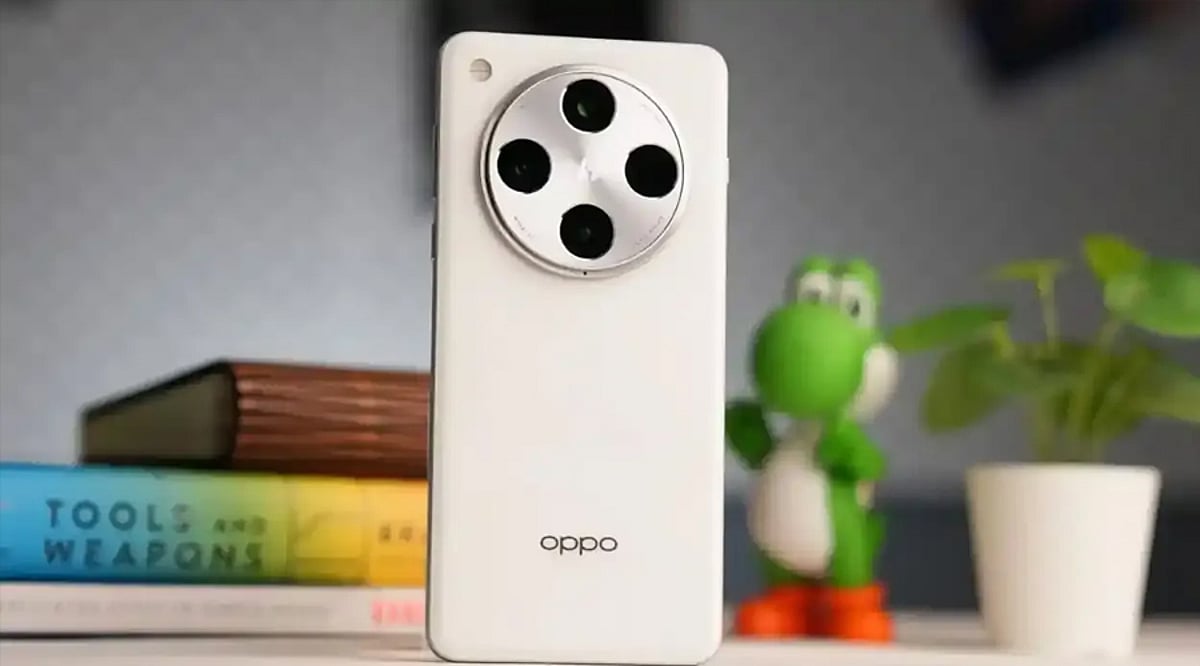
    The Oppo Find X8 Pro has received a flat Rs. 10,000 price cut in India. The flagship smartphone, launched at Rs. 99,999, is now available on Flipkart for Rs. 89,999. If you’ve been waiting for the right time to buy Oppo’s premium phone, this limited-time deal makes it much more affordable.

    Buying through Flipkart is simple. Visit the product page while the offer is live, select the 16GB RAM + 512GB storage variant, and apply the available Rs. 10,000 discount. You can lower the final price even further by exchanging your old smartphone during checkout.

    Amazon also offers discounts on the Oppo Find X8 Pro. While the upfront price is higher than Flipkart’s, buyers can save more with exchange offers, eligible bank cards, and cashback. Comparing both platforms before checkout can help you get the best overall value.

    The Oppo Find X8 Pro still delivers flagship performance with its 6.78-inch AMOLED display, 120Hz refresh rate, Dolby Vision support, and up to 4,500 nits peak brightness. It is powered by the MediaTek Dimensity 9400 chipset for smooth gaming, multitasking, and AI-powered features.

    Photography remains one of its biggest strengths. The phone features a quad 50MP rear camera setup, including dual periscope telephoto lenses, an ultrawide camera, and a 32MP front camera. It also supports up to 120x digital zoom, making it ideal for photography lovers.

    Power users will appreciate the large 5,910mAh battery with 80W wired and 50W wireless fast charging. Even though the Find X8 Pro is no longer Oppo’s latest flagship, it still offers premium performance, excellent cameras, and long battery life at its new discounted price.

    Before placing your order, compare Flipkart and Amazon offers carefully. Flipkart provides the lowest upfront price, while Amazon may deliver better overall savings through exchange bonuses and cashback. Since these discounts are available for a limited period, it’s worth checking both platforms before the deal expires.

  • Apple iPhone Shipments in India See First Quarterly Decline in Over Four Years Amid Chip Shortage

    Apple iPhone Shipments in India See First Quarterly Decline in Over Four Years Amid Chip Shortage

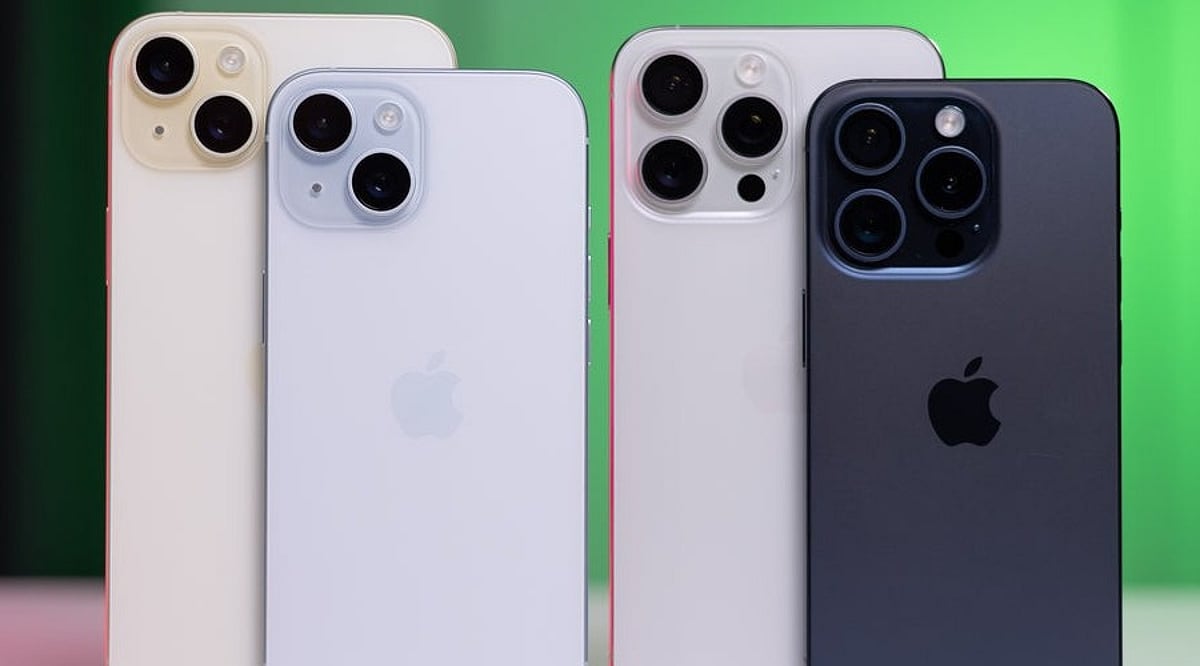
    Apple has recorded its first decline in iPhone shipments in India in more than four years, according to a new market report. Shipments fell by 3% year-on-year in the April to June quarter of 2026, a sharp reversal from the 12% growth seen at the start of the year.

    The drop is primarily attributed to a shortage of memory chips, which has constrained Apple’s ability to supply new devices. CEO Tim Cook described the supply disruption as a “hundred-year flood,” calling it one of the biggest challenges he has faced during his decades at Apple. Analysts note that customer demand remains steady, but the company has not been able to ship enough phones to meet it.

    India’s overall smartphone market contracted 10% year-on-year in the second quarter, one of the steepest declines in the last six years. In that context, Apple’s 3% decline appears relatively mild.

    Other Smartphone Brands’ Performance in Q2 2026

    Not all brands faced similar headwinds. Samsung’s shipments grew by 2% in the same quarter, while the fastest-growing smartphone brand in India was Nothing, which posted a remarkable 105% growth. Xiaomi, however, struggled with continuously rising prices in the Indian market. Its wider range of devices helped it gain popularity, but higher prices made competition more challenging.

    What Comes Next for Apple?

    The latest shipment drop does not indicate waning demand for iPhones. Rather, it highlights that higher component costs and supply issues are making it harder for Apple to maintain adequate stock in the market. If memory chip prices remain elevated, Apple may adjust its inventory management strategy in India and could review its pricing for future models. Even so, India remains one of Apple’s key markets, and the company is expected to continue investing in the country as demand grows.

  • Canara Bank Eyes $2.5 Billion in Foreign Currency Funding via FCNR(B) and Overseas Borrowings

    Canara Bank Eyes $2.5 Billion in Foreign Currency Funding via FCNR(B) and Overseas Borrowings

    Canara Bank has announced plans to raise between $2.3 billion and $2.5 billion in foreign currency funding through a combination of FCNR(B) deposits and overseas borrowings. The bank aims to secure $1.3–$1.5 billion specifically via FCNR(B) deposits by September 2026, with the remainder coming from external commercial borrowings (ECBs) and overseas foreign currency borrowings (OFCBs).

    As of July, the bank has already raised approximately $775 million through the FCNR(B) window and mobilized nearly ₹7,300 crore under the scheme. This fundraising initiative follows the Reserve Bank of India’s (RBI) decision to lift the interest rate cap on fresh FCNR(B) deposits with tenures of three to five years. The special deposit window remains open until September 30, 2026, and banks can increase overseas borrowings under RBI guidelines until December 31, 2026.

    Strong Q1 FY27 Performance

    Canara Bank reported robust business growth for the quarter ending June. Total advances grew 18% year-on-year to ₹12.93 lakh crore, while total deposits rose 12% YoY to ₹16.11 lakh crore. Global business value increased 14% to ₹29.05 lakh crore. Net interest income (NII) reached ₹10,215 crore, marking a 13% increase. Managing Director Brajesh Kumar Singh noted that NII crossed the ₹10,000 crore milestone for the first time in a quarter.

    Improving Asset Quality

    The bank’s asset quality continued to strengthen. Gross non-performing assets (GNPA) fell to 1.57% from 2.69% a year ago, and net NPAs declined to 0.36% from 0.63%. The provision coverage ratio (PCR) improved to 94.76%. Credit quality gains were supported by a lower slippage ratio of 0.60% and recoveries of ₹2,500 crore during the quarter.

    Analysts expect the combination of stronger profitability, healthier asset quality, and additional foreign currency funding to bolster Canara Bank’s lending capacity and liquidity position in the coming quarters.

  • Nandita Sinha Steps In as Swiggy Instamart CEO: Former Myntra Chief Takes the Helm

    Nandita Sinha Steps In as Swiggy Instamart CEO: Former Myntra Chief Takes the Helm

    Swiggy has appointed Nandita Sinha, the former Chief Executive Officer of Myntra, as the new CEO of its quick-commerce business, Instamart. The move marks a significant leadership transition at a time when competition in India’s rapid-delivery market is intensifying. Sinha will officially begin the role on August 3, succeeding Amitesh Kumar Jha, who has stepped down to pursue opportunities outside the company.

    Who is Nandita Sinha?

    Nandita Sinha is one of India’s leading executives in the consumer internet segment, with over two decades of leadership experience in e-commerce, retail, and fast-moving consumer goods. Under her leadership, Myntra witnessed consistent growth and improved its market positioning.

    Sinha’s work experience also includes serving in leadership roles at organizations such as Flipkart, Britannia Industries, and Hindustan Unilever, giving her broad exposure to digital commerce, branding, and consumer-facing business, according to her LinkedIn profile. This varied experience will help Instamart scale its operations.

    Leadership Change Comes at a Crucial Time

    Sinha’s appointment follows the resignation of Amitesh Kumar Jha, who led Instamart during an important phase of expansion. Swiggy acknowledged his contribution in strengthening the platform, enhancing its differentiated offerings, and improving operational efficiency during his tenure.

    Swiggy’s Managing Director and Group CEO, Sriharsha Majety, said, “I am delighted to welcome Nandita Sinha as the CEO of Instamart. Nandita is one of India’s most accomplished consumer internet leaders, and I’m enthusiastic about the vision, customer obsession, and operational rigor she brings to the team we’ve built at Instamart.”

    What Her Appointment Means for Instamart

    With competitors investing heavily in expansion and customer acquisition, Swiggy is betting on Sinha’s operational expertise and consumer-focused approach to drive Instamart’s next phase of growth.

    Speaking on her new role, Sinha said, “I have long admired what the team at Instamart has built. It’s a business with a strong customer-first culture, great talent and significant opportunities ahead. Instamart sits at the heart of how India shops for its everyday needs, and I look forward to working with our colleagues, partners and consumers to shape its next chapter of growth.”

    Industry experts believe that her background in creating large consumer brands might help the company formulate a competitive strategy. Product expansion and customer experience are expected to be among the key areas of focus.

  • RBI Proposes Rs 1 Crore Minimum Investment for Securitisation Notes, Aims to Boost Transparency

    RBI Proposes Rs 1 Crore Minimum Investment for Securitisation Notes, Aims to Boost Transparency

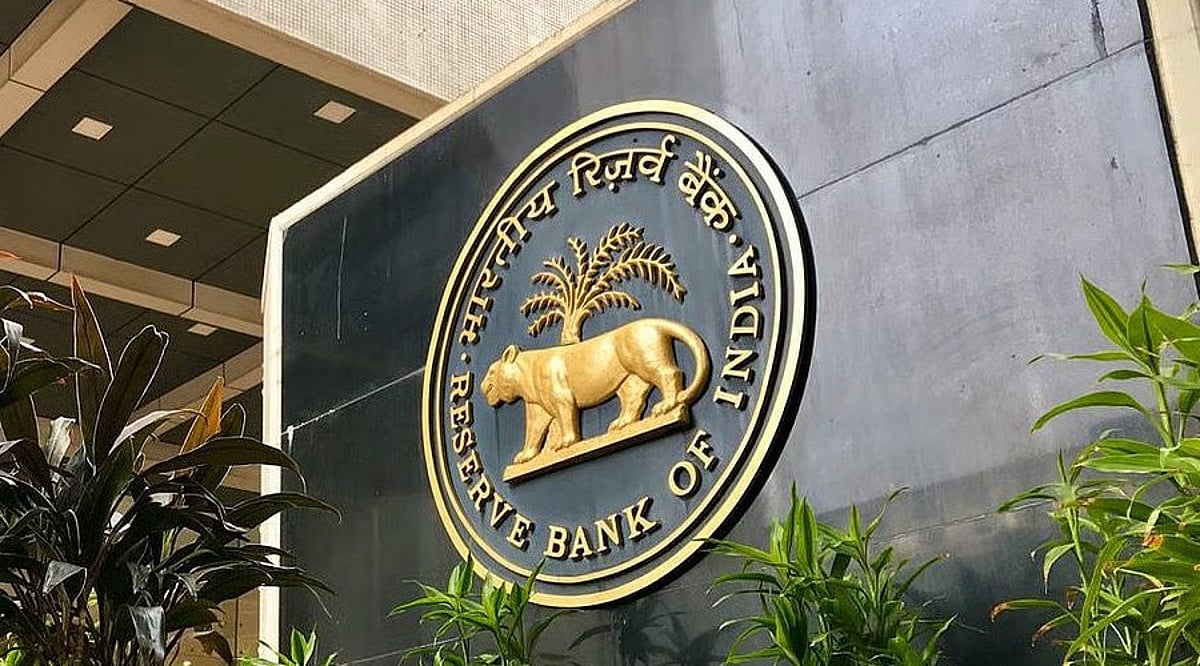
    The Reserve Bank of India (RBI) has released a draft proposal requiring a minimum investment of Rs 1 crore in securitisation notes, along with a mandate that all such notes be issued, held, and transferred exclusively in demat format starting October 1, 2026. The move is designed to enhance market transparency, liquidity, and efficiency.

    Securitisation enables banks and financial institutions to pool loans—such as home, vehicle, and personal loans—and sell them through special purpose entities. Under the proposed rules, each investor must invest at least Rs 1 crore, and the same threshold applies to any subsequent buyer of these notes.

    The draft covers commercial banks, small finance banks, non-banking financial companies (NBFCs), and All India Financial Institutions. The RBI will accept public and stakeholder comments until August 27, 2026, before finalizing the regulation.

    While the high entry barrier is likely to restrict retail participation, institutional investors including banks, insurers, mutual funds, pension funds, NBFCs, and high-net-worth individuals are expected to remain the primary players. The mandatory demat format is intended to simplify ownership tracking and transfer processes.

    The RBI has also proposed aligning public offers with existing SEBI regulations. If approved, these changes could make the securitisation market more structured while preserving its predominantly institutional character.

    For more details, stakeholders can join the official WhatsApp channel for updates.

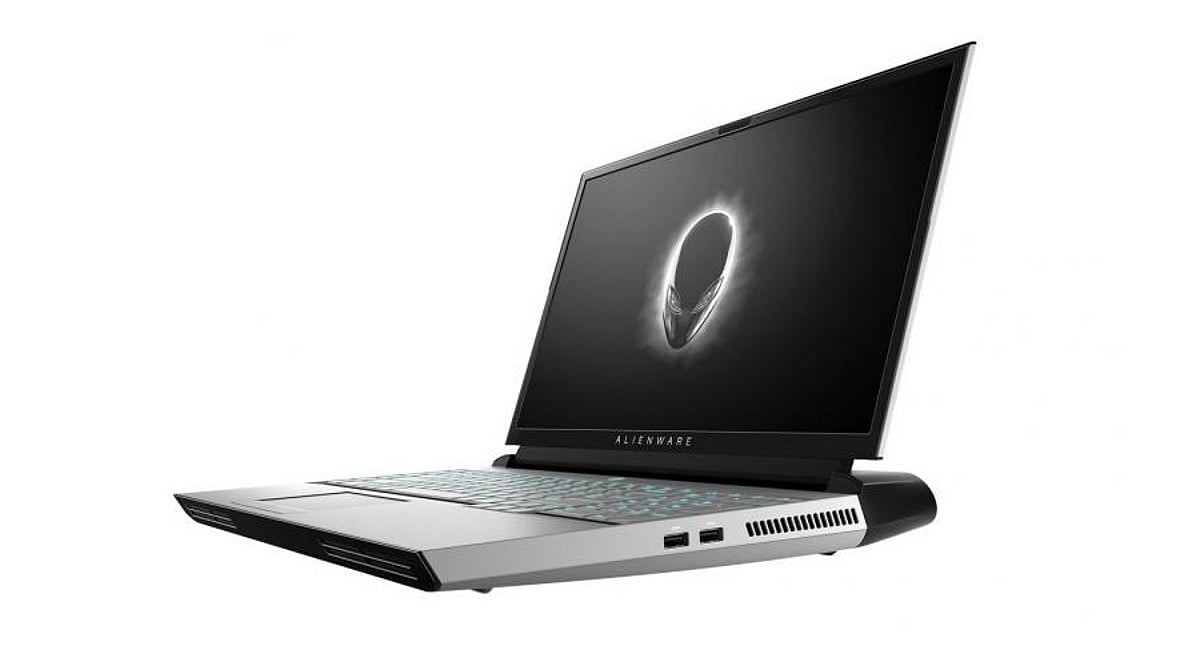
  • Alienware 16X Aurora and Area-51 Gaming Laptops Launch in India with Intel Core Ultra, RTX 50-Series, and AI Features

    Alienware 16X Aurora and Area-51 Gaming Laptops Launch in India with Intel Core Ultra, RTX 50-Series, and AI Features

    Dell has officially launched three new Alienware gaming laptops in India, bringing high-performance hardware and AI-powered enhancements to local gamers. The models — Alienware 16X Aurora, Alienware 16 Area-51, and Alienware 18 Area-51 — were first unveiled at CES 2026 earlier this year.

    The Alienware 16X Aurora is positioned as a portable yet powerful option for PC gamers. It is equipped with an Intel Core Ultra 9 290HX Plus processor, a 240Hz display with a 0.2ms response time, and an Nvidia GeForce RTX 5070 Ti Laptop GPU. The starting price in India is Rs. 2,62,990.

    The Alienware 16 Area-51 targets serious gaming enthusiasts with a 16-inch WQXGA anti-glare OLED panel (0.2ms response time), Nvidia RTX 5090 graphics, 64GB of DDR5 memory, and 2TB of storage. It is priced at Rs. 3,97,960.

    The Alienware 18 Area-51 is built for competitive gaming, featuring an 18-inch WQXGA display with a 300Hz refresh rate and 3ms response time. It is available for Rs. 3,95,200.

    AI is becoming a central feature in modern gaming laptops. Beyond just boosting frame rates, manufacturers are now leveraging AI to optimize battery life, system performance, and everyday tasks. As more games and applications adopt AI capabilities, laptops with dedicated AI hardware are expected to become increasingly common.