
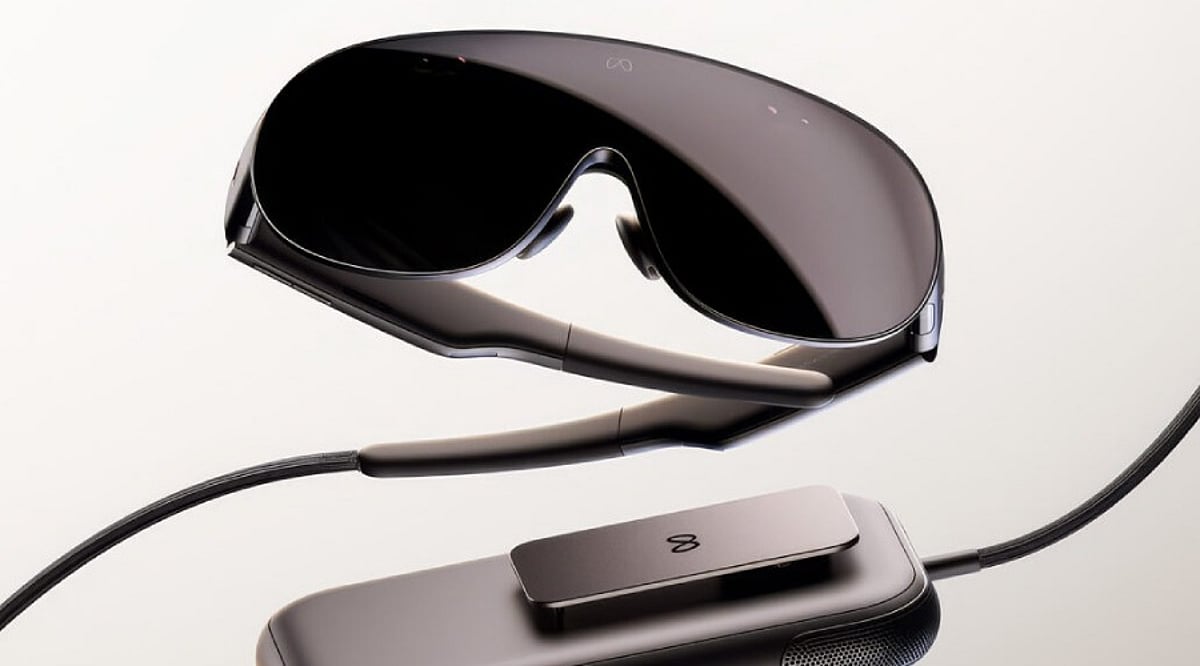
Meta, Google, and Qualcomm are pushing smart glasses into a new phase, moving beyond basic audio features to integrate AI, cameras, displays, and phone-like capabilities. On September 23, Meta unveiled its advanced VR device in the form of smart glasses, while also launching a camera-free VR glasses model. That same evening, Google partnered with Qualcomm to announce its first Gemini glasses at a Qualcomm event. These moves signal a clear trend: the wearable industry is shifting toward smart glasses that listen, talk, and even provide a screen when needed.
New Models and Pricing
Meta’s VR Glasses are priced at approximately ₹1.24 lakh in India and weigh around 100 grams. They rely on a separate pocket device for key hardware and are expected to arrive in spring 2027. Meanwhile, the Ray-Ban Meta Gen 3 will be available for roughly ₹44,300 in India and will feature a 12MP camera, longer battery life, and a dedicated button for Meta AI.
Market Shift Toward Glasses
According to the latest statistics, glasses accounted for 84.6% of total XR device shipments in 2026, with headsets making up only 15.4%. The bigger change is not merely making VR hardware lighter; it is about giving people a new way to use AI without reaching for a phone. Current smart glasses already handle calls, music, and voice queries, but newer models are expected to go further—providing directions, translating conversations, or answering questions about objects in the user’s field of view.
A New AI Interface Takes Shape
The core idea is simple: instead of pulling out a phone, users can ask their glasses for help, making AI feel more natural in daily tasks. Meta has announced that its Ray-Ban, Oakley, and Meta glasses range will exceed 100 styles by the end of 2026, demonstrating the company’s rapid expansion in the wearable lineup. Meta, Google, and Qualcomm are building toward a future where glasses become a regular AI tool. While phones may still handle the heavy lifting, glasses could become the easier, more intuitive way to access AI.
Leave a Reply