
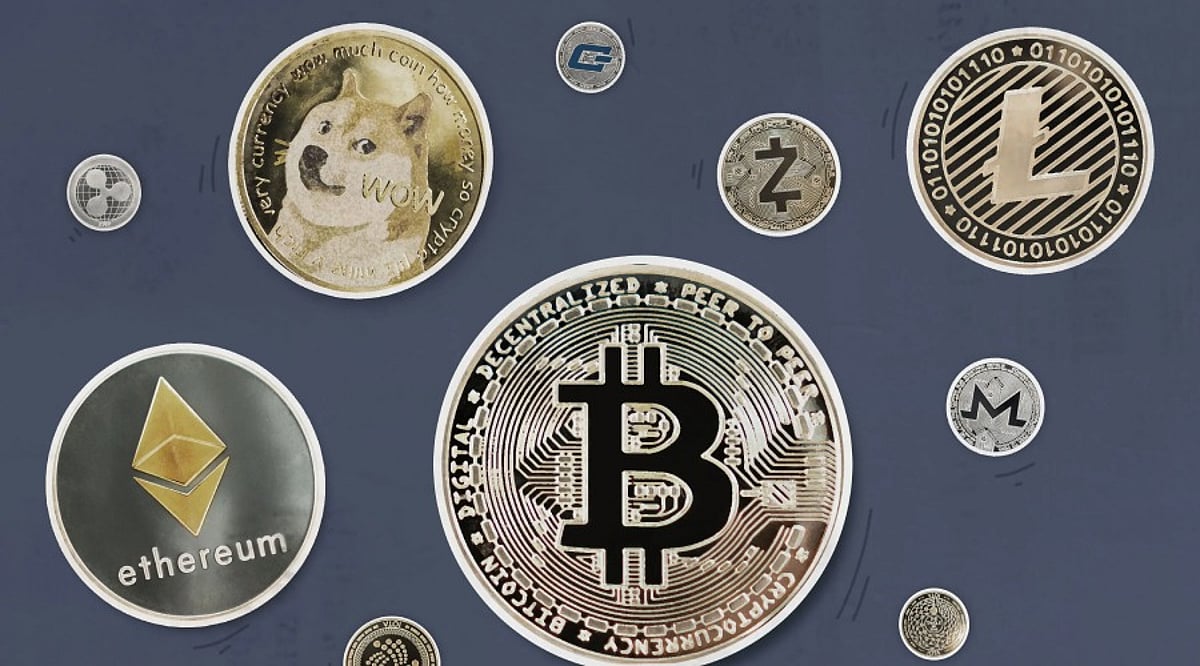
Many investors assume that a cryptocurrency priced below $1 is automatically a bargain. However, a low token price does not always indicate value—supply and market cap matter more. Smart investors look beyond the price tag, focusing on the project’s technology, real-world use, development roadmap, and team. In July 2026, several affordable projects stand out for their strong fundamentals, enterprise adoption, AI integration, DeFi growth, and long-term potential. Below are ten cryptocurrencies under $1 worth considering this month.
Stellar (XLM) – Reliable in Global Payments
Stellar has built a solid reputation by focusing on faster, cheaper international payments. In July 2026, XLM trades between $0.20 and $0.40, making it accessible. The network enables near-instant cross-border transfers at low cost. Banks and payment providers continue to explore Stellar, and the project is also expanding into asset tokenization. Its proven track record makes it one of the most dependable cryptocurrencies below $1.
Hedera (HBAR) – Trust from Big Business
Hedera’s governance council includes major global corporations, adding a layer of credibility. HBAR remains under $1, offering fast transactions, low energy consumption, and enhanced security—ideal for enterprise blockchain applications.
VeChain (VET) – Blockchain for Real-World Business
VeChain solves practical supply chain issues: tracking products, verifying authenticity, streamlining logistics, and monitoring carbon footprints. With partnerships across industries and a token price under $0.10, VET is a strong pick for those who value real-world utility.
Algorand (ALGO) – Strong Technology, Quiet Growth
Algorand rarely makes headlines but remains a top-tier blockchain. It offers fast, low-cost transactions and reliable performance. Governments and organizations are exploring Algorand for tokenized assets and digital financial systems. For fundamentals-focused investors, ALGO is an attractive option under $1.
Sei (SEI) – Purpose-Built for Trading
Sei is designed specifically for decentralized trading and financial applications. Its specialized architecture enables faster transactions for exchanges and DeFi projects. While still under $1, SEI carries higher risk but targets a rapidly growing sector, offering meaningful long-term potential.
Arbitrum (ARB) – Scaling Ethereum
Arbitrum solves Ethereum’s high gas fees by processing transactions faster and cheaper. ARB trades below $1, and developers continue to build on its Layer-2 network. Despite short-term volatility from token unlocks, Arbitrum’s long-term prospects remain strong as one of the largest Layer-2 ecosystems.
Optimism (OP) – Ethereum’s Next Layer
Optimism shares a similar scaling goal with Arbitrum but follows its own “Superchain” vision, connecting multiple blockchains into one ecosystem. It has drawn attention through its relationship with Coinbase’s Base network. Strong developer activity suggests Optimism will play a bigger role as blockchain adoption grows.
Dogecoin (DOGE) – Enduring Popularity
Dogecoin started as a joke but has survived multiple market cycles. In July 2026, DOGE trades near $0.07. Its loyal community, excellent liquidity, and broad exchange support keep it relevant, even though its price often moves with sentiment rather than technical progress.
eCash (XEC) – High Risk, High Potential
eCash appeals to investors with its extremely low price—fractions of a cent. The project focuses on digital payments and continues active development. However, the payment sector is highly competitive, so success is not guaranteed. eCash suits investors who understand the higher risk of smaller projects.
JasmyCoin (JASMY) – Tapping the AI Economy
JasmyCoin focuses on secure data ownership and IoT, allowing users to control their personal information. As connected devices and AI grow, the demand for secure data management may rise. JASMY faces tough competition, but its AI and data connection gives it an interesting market position.
Final Thoughts
Investing in sub-$1 cryptocurrencies should not be based solely on price. The best opportunities are projects with solid technology, ongoing development, and real-world adaptability. In July 2026, Stellar, Hedera, VeChain, Algorand, Arbitrum, and Optimism stand out for their established ecosystems. Sei, Dogecoin, eCash, and JasmyCoin offer higher potential but also greater risk. Key trends this year include AI, real-world asset tokenization, DeFi, enterprise blockchain, and Ethereum Layer-2 networks. Investors who focus on these trends rather than the cheapest tokens will be better positioned.
FAQs
1. Is a cryptocurrency under $1 automatically a good investment?
No. A low token price doesn’t mean it’s undervalued. Always consider market cap, utility, adoption, and development.
2. Which sectors look strongest in July 2026?
AI, real-world asset tokenization, decentralized finance (DeFi), enterprise blockchain, and Ethereum Layer-2 ecosystems.
3. Which coins are considered more established?
Stellar (XLM), Hedera (HBAR), VeChain (VET), Algorand (ALGO), Arbitrum (ARB), and Optimism (OP).
4. Which cryptocurrencies carry higher risk but higher potential?
Sei (SEI), Dogecoin (DOGE), eCash (XEC), and JasmyCoin (JASMY) may offer greater upside but also increased volatility.
5. What should investors evaluate before buying any cryptocurrency?
Research the project’s technology, use cases, partnerships, tokenomics, development activity, roadmap, and overall market trends rather than focusing only on the token price.
Leave a Reply